

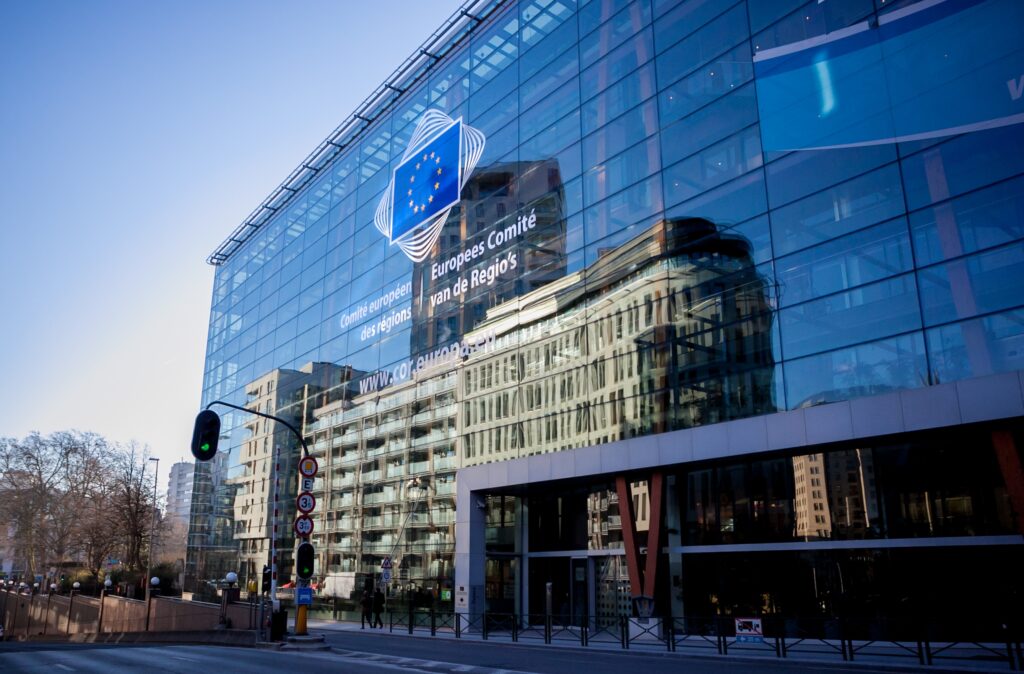
Earlier this month, as the main defence hearings in the contentious case against Istanbul’s elected mayor, Ekrem İmamoğlu, entered a decisive phase, representatives of the European Parliament and the European Committee of the Regions renewed calls for his release and warned that Europe would not turn a blind eye.
After the first round of hearings ended on 8 July, the Council of Europe’s Human Rights Commissioner said the proceedings raised grave concerns about fair-trial rights and judicial independence, noting that İmamoğlu had been prevented from presenting his defence and excluded from substantial parts of the hearings.
As a two-time mayor of Bogotá, Colombia, I have networked and brainstormed with other mayors from around the world, and I cannot stop thinking about what has occurred to Ekrem İmamoğlu. His case also brings to mind Erion Veliaj, Mayor of Tirana. Both are now in prison in cases that appear to be more political than criminal. I met them several times, including together in 2024 at Bloomberg CityLab, a summit for urbanists and political figures looking to improve city life.
I have followed their stellar mayoral records and how they have led their cities to realise tangible improvements. In Istanbul, this has included the expansion of metro lines and public transport networks, as well as comprehensive earthquake preparedness and resilience initiatives aimed at reinforcing vulnerable buildings and modernising infrastructure. In Tirana, Veliaj’s tenure has also seen the transformation of public spaces through pedestrianisation projects, municipal tree-planting programmes and urban redevelopment, all of which have reshaped the city’s liveability.
With this in mind, I was dismayed to see these achievements overshadowed by criminal proceedings that have become increasingly dubious.
In March 2025, Turkish authorities arrested İmamoğlu on charges including corruption, bribery, misconduct, leading a criminal organisation and aiding a terrorist group. His main trial began in March 2026, and the July defence hearings intensified concern over his ability to participate fully in his own defence.
In Albania, the Special Structure against Corruption and Organized Crime (SPAK) arrested Veliaj in February 2025 on allegations of passive corruption, reportedly following an anonymous complaint. 18 months after his arrest, Veliaj remains in detention despite never having been convicted of a crime. Following a Constitutional Court ruling that overturned his attempted removal from office, he continues to serve as the legally recognised mayor of Tirana from behind bars.
While the judiciary must hold anyone who violates the law accountable – whether a mayor or an ordinary citizen – it must also ensure that due process rights are fully respected in every case. Based on the publicly available record, serious questions remain over whether İmamoğlu and Veliaj have received the full protections to which they are entitled.
In Turkey, one of the most pressing due process concerns is İmamoğlu’s prolonged pretrial detention. Held for nearly a year before his main trial commenced, he has effectively been deprived of much of the political authority he earned at the ballot box. During the hearings this month, he was at times barred from the courtroom and ultimately prevented from presenting his defence.
In Albania, related concerns arise from Veliaj’s continued detention despite the absence of a final conviction. His legal team has also alleged that prosecutors repeatedly sought to restrict his access to nearly 60,000 pages of evidence, limited confidential communication with his state-appointed counsel, and relied on his lawful lobbying and advocacy activities to justify extending his pretrial detention.
I am not the only mayor to take notice. Seventy-six mayors from the B40 Balkan Cities Network signed a joint letter in support of İmamoğlu and Veliaj. United across different political affiliations, these regional leaders raised a collective alarm regarding their indefinite pre-trial detentions.
European legal analysis reinforces this concern. The Council of Europe’s Venice Commission – an advisory body of constitutional law experts – issued a report directly on point, aptly titled The Impact of the Pre-Trial Detention of Mayors on the Exercise of Local Democratic Governance.
The report warns that the misuse of pre-trial detention against elected officials poses a serious threat to democratic governance and the rule of law. The Venice Commission concluded that the extensive and disproportionate use of pre-trial detention against elected local officials challenges the presumption of innocence, stifles pluralism and restricts free political debate.
When imposed without legitimate grounds, pretrial detention may serve an illicit “ulterior purpose” within the meaning of Article 18 of the European Convention on Human Rights, such as suppressing political pluralism and democratic debate. The Venice Commission further emphasised that the removal of an elected mayor affects not only the officeholder but also the electorate, depriving it of its chosen representative.
Respect for the rule of law requires both accountability and restraint. It demands that justice be pursued without compromising the rights it is meant to protect.
For these reasons, and consistent with fundamental principles of due process and democratic legitimacy, Ekrem İmamoğlu and Erion Veliaj should be released on their own recognizance. As elected mayors, both should be afforded proportionate pretrial conditions that allow them to continue fulfilling their public mandates unless and until a court of law determines otherwise.
