

As a mother of four, I was raising my children just as social media was beginning to take off.
At the time, it seemed like an exciting new way to chat with friends, share photographs and discover the world. As my children grew, so did its presence in their lives. Gradually, I began to notice the pull of the phone and how difficult it was becoming to switch off, as though whatever was happening on that screen could never wait.
Those were also the years when I got involved in politics, first as a local councillor, then as a member of the Irish Parliament and later as a Cabinet minister. My children were still young when I started, and as my responsibilities grew, so did the demands on my time. I loved my work and believed in what I was doing, but the hours were long. There were times when my children were navigating the internet by themselves, without me beside them to see what they were watching or who was reaching them.
Social media was becoming part of my working life too. I could see how it helped businesses find customers, gave artists and creators a platform, and made it easier to connect with people and share ideas. I wanted my children to enjoy those opportunities as well, with the freedom to explore and learn in an environment that was safe for them.
Looking back, I wish I had understood more about the world they were entering and the systems designed to keep them there. Many parents will recognise that feeling: trying to do your best for your family, balance work with being present and keep your children safe, while worrying about what you might be missing.
While parents worked, platforms captured attention
While I was working hard in government, the platforms were working hard to capture my children’s attention. Every extra video watched and notification opened served their business. For us, those were moments of family life: a conversation interrupted, time together lost, another struggle to put the phone away. Parents were learning as we went, while the companies had the expertise, the resources and control over the products entering our homes.
My children are older now, but I think about parents raising young children today and how much harder this has become. Recommendation systems are more sophisticated. Harmful content can find a child without them searching for it.
AI companions can offer what feels like friendship, bringing new worries about emotional dependence. A parent can be sitting in the same room as their child and still have little understanding of the world unfolding on their screen.
That is why, when the European Commission presented the EU Kids Act, I felt hope. Here was a chance to give families meaningful support and to make the companies behind these services take responsibility. Here was an opportunity to protect the ordinary things children deserve: sleep, friendships, confidence and time to grow up without constant pressure to stay connected.
A strong start for families
The proposal is a strong start. It would prevent children under 13 from accessing social media, while allowing child-friendly video services through accounts managed by a parent or guardian. For 13- and 14-year-olds, it proposes restricted accounts under parental supervision, with limited features and a daily time limit. From 15, teenagers could manage their own accounts, with protections continuing for everyone under 18.
Just as importantly, it tackles how these services are built, including features that encourage excessive use, unsolicited contact from strangers and risks associated with AI companions. Very large platforms would have to demonstrate that their services are safe for children. Parents need to know that the protections are built into the product, rather than depending on their ability to watch every moment.
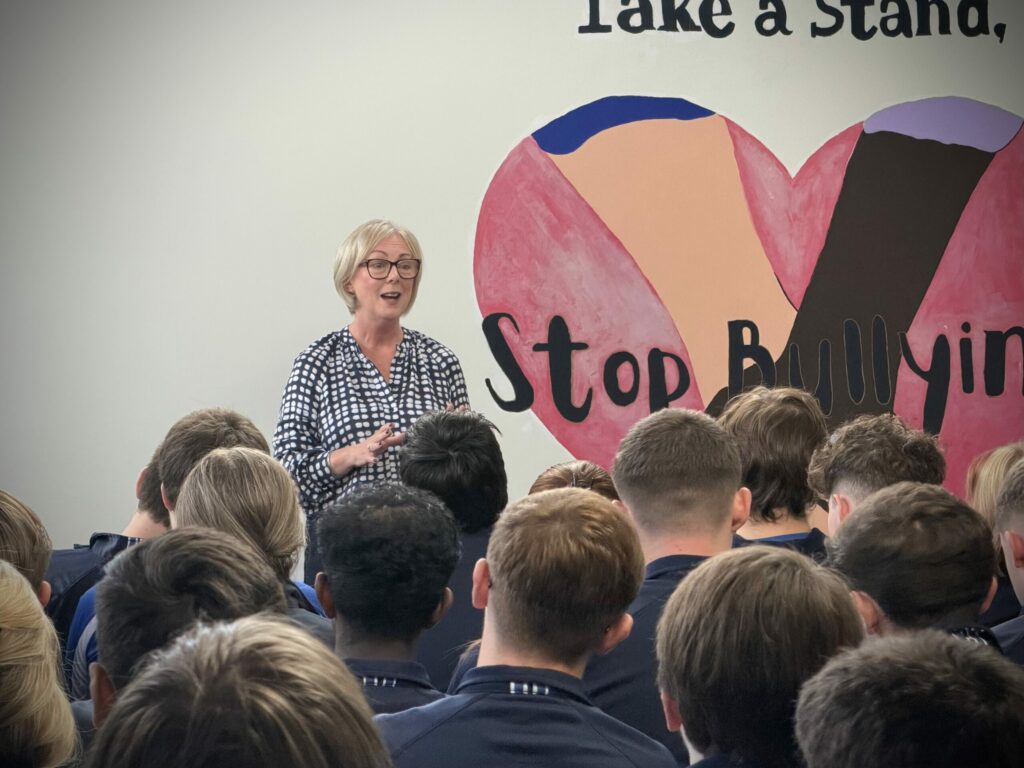
Since being elected to the European Parliament, I have spoken with parents and met young people in schools. The message has been clear: something needs to change. Behind that message are families trying to manage something that has become bigger than any household can handle alone. Young people value being connected, but they also deserve to be heard about the pressures they experience.
Parliament must turn ambition into protection
The EU Kids Act now comes to the European Parliament and the Council for negotiation. As a member of the European People’s Party Group (EPP), I want us to deliver protections that parents can trust and children can feel in their everyday lives.
We have a major undertaking ahead. Age checks must work and protect privacy. Parental controls must be straightforward enough for busy families to use. Protections against harmful design must remain strong, and enforcement must make platforms take their obligations seriously. Every decision must be guided by what will make children safer.
As we negotiate this legislation, we must remember who needs us to get it right. Children cannot sit at the negotiating table, and their parents cannot compete with the resources of technology giants. It falls to us to defend their interests and ensure that children’s safety comes first.
For years, families were left to manage the consequences of products they had no power to change. We cannot give our children those years back, but we can make sure the next generation does not grow up facing the same harms, pressures and relentless demands on their attention.
Whatever our political differences, colleagues across the political spectrum should share one clear goal: to give children a safer childhood and parents the support they deserve. The EU Kids Act is our chance to turn that goal into law. We owe the next generation more than promises. We owe them protection.
