

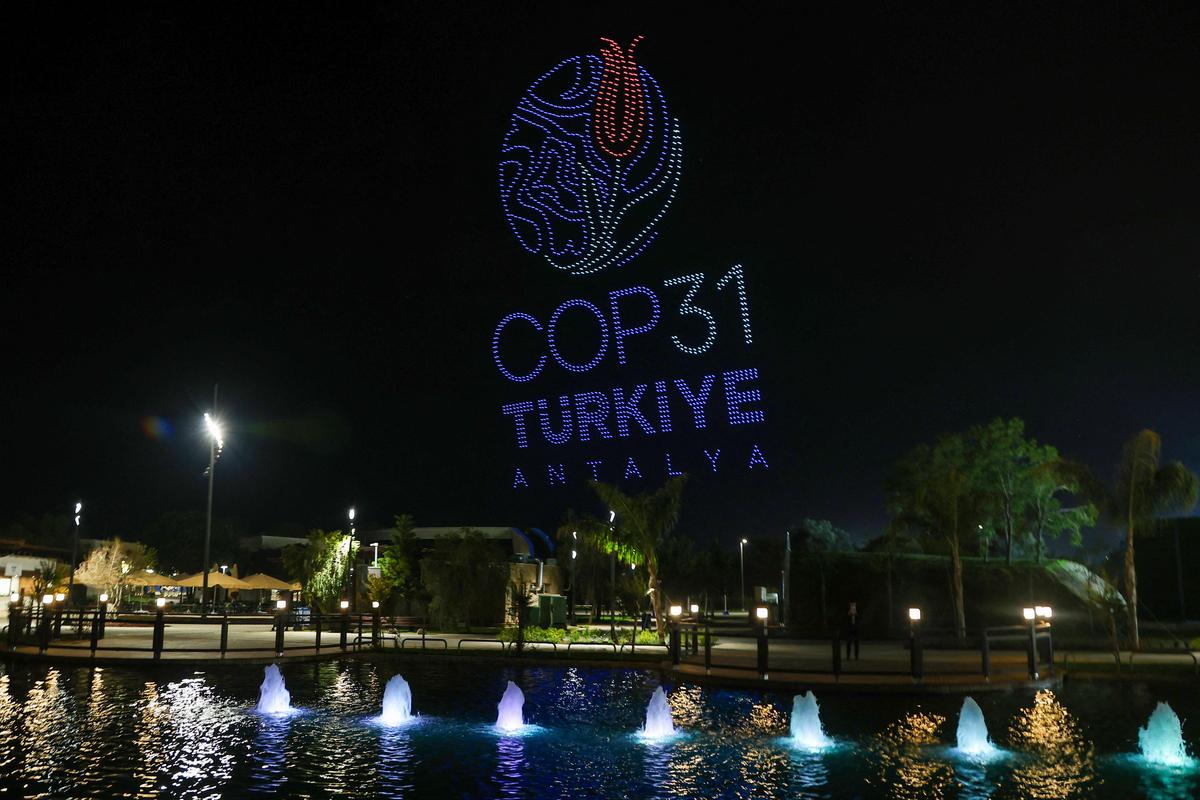
At COP31 in Antalya, countries are grappling with an ambitious target proposed by the Turkish Presidency: increasing electricity’s share of global energy consumption from around 23% today to 35% by 2035 – the "35-by-35" target.
At first glance, it sounds like a straightforward step for lowering emissions: more electric cars, more heat pumps, more electrified industry. But an important question behind the target deserves more attention: where will all that electricity come from?
The electrification pledge is a central agenda item at the conference so far. Still, a fundamental detail remains contested. The pledge does not require the increased electricity to come from clean energy sources. This creates a dilemma about whether electrification can deliver the climate benefits that the pledge claims.
Electrification is not equal to decarbonization
Electric technologies are often considerably more efficient than their conventional counterparts. Replacing petrol cars with electric vehicles, gas boilers with heat pumps or fossil fuel-based industrial processes with electric alternatives can significantly reduce emissions. But these benefits depend on the electricity powering them. If electricity demand grows while coal and gas remain central to power generation, we risk shifting fossil fuel dependence from one part of the energy system to another.
This is at the heart of the debate in Antalya. The EU, for example, initially called for the electrification pledge to explicitly refer to clean electricity, generated from renewables or nuclear. As of Tuesday, 17 November, the European Commission published a press release, endorsing the COP Presidency's 35-by-35 target. In its wider COP31 priorities, the EU continues to emphasize clean electrification, the expansion of renewable energy and transition away from fossil fuels.
Their position reflects a broader tension in the negotiations. While there is growing support for electrifying economies, there is less agreement on how strict this ambition should be tied to the decarbonization of electricity supply.
Some parties seem reluctant to commit to stronger conditions on clean electricity, while others push for more flexibility. One argument is that electrification still brings emissions reductions even when parts of the electricity come from fossil fuels. That is true to an extent, but how much flexibility should countries accept if the ultimate goal is to build a cleaner energy system?
This is short-term thinking in action. Immediate efficiency gains should not be mistaken for sufficient progress toward long-term energy transition. If the electricity supply does not become cleaner as demand grows, the potential emissions reductions will stay limited. Moreover, we risk building new infrastructure and patterns around an electricity system that continues to depend on fossil fuels.
Beyond emissions, fossil fuels are costing us many other things. Conflict and energy shocks reveal geopolitical vulnerabilities. Countries relying on imported oil and gas are exposed to conflicts and disrupted supply routes, for instance. Impacts are far-reaching and affect food production, transport, industry and household budgets.
Electrification is an opportunity to reduce these vulnerabilities. A heat pump powered by wind or solar energy can reduce a household’s exposure to price fluctuations. But if electricity itself is generated using imported gas, much of that dependency continues. We may switch from using fossil fuels directly to using electricity, without necessarily reducing our exposure to the disruptions and conflicts associated with them.
This is why the source of electricity matters as much as the speed of the electrification process.
The International Energy Agency’s recent analysis ahead of COP31 makes this opportunity clear. In its high-electrification scenario, end-use emissions from transport, buildings and industry could fall by 40% by 2035. This scenario depends on a substantial expansion of low-emissions electricity generation, which electrification alone cannot deliver.
Different starting points and competing priorities
Countries face very different challenges in achieving the electrification target. Some have ageing grids, infrastructure constraints and limited access to finance. Around 655 million people globally still lacked access to electricity in 2024, with around 86% of that population living in sub-Saharan Africa. At the same time, international financial flows to support clean energy development to developing countries fell by 11% from 2023.
Many countries need to expand basic electricity access as well as invest in reliable electricity grids and the infrastructure needed to integrate large amounts of renewable energy. Without adequate financial and technical support, a global target risks remaining an ambition on paper.
The debate in Antalya should be about more than how much of our energy we can electrify. The 35-by-35 target cannot become a race to electrify by 2035 at any cost. The real challenge now is to question what kind of energy systems we are building, and how we can make sure electricity comes increasingly from clean sources. As parties enter the final days of COP, electrification driven by clean energy commitments should take firm place in the final text, or else we risk falling further behind global climate goals.
