
Every year on 21 July, Belgium celebrates its national day. But if you’re not from here, you might ask: what exactly is Belgium? And what makes someone Belgian? Enter 'Belgitude' - an untranslatable term that captures the heart, humour, and culinary soul of this small, surreal country.
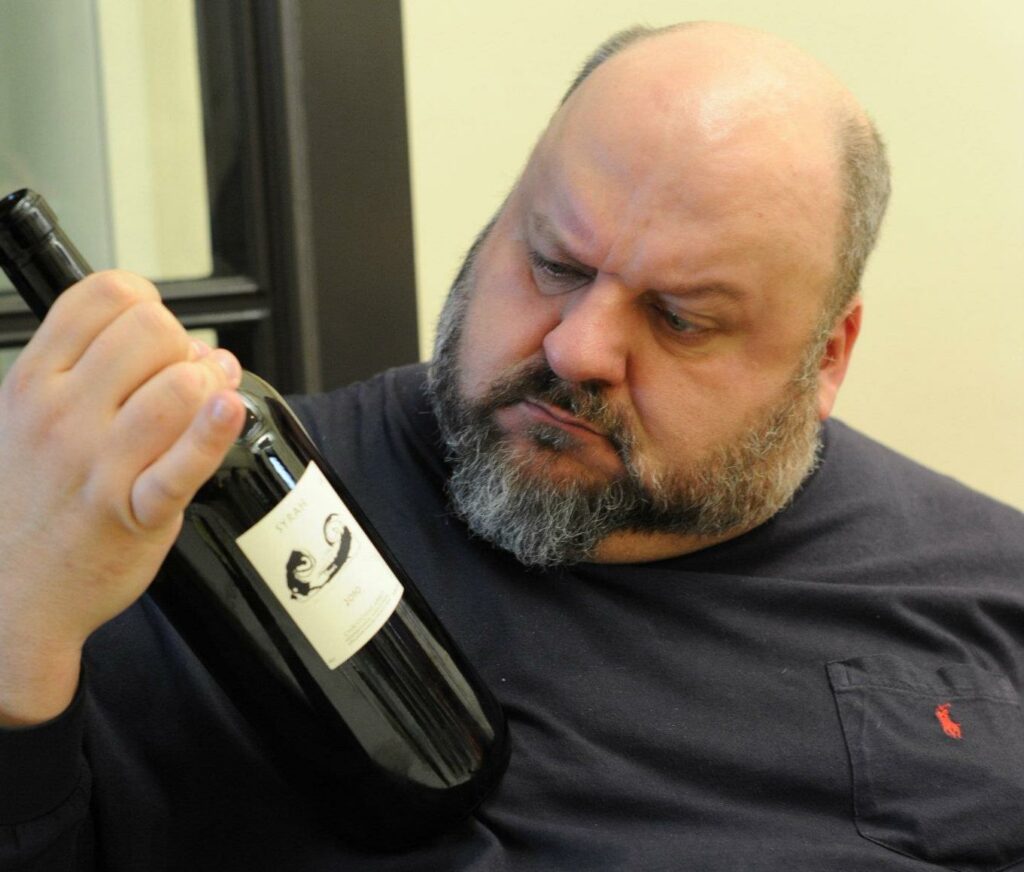
To help explain Belgitude in all its glory, The Brussels Times turned to Philippe Genion, a bald, jolly Belgian born in 1952, known for his musical career, his work as a food critic and sommelier, and as the owner of the Charleroi wine bar Saka 20 (a playful nod to sac à vin, or ‘wine bag’). As he once joked: "Le Sac à Vin, c’est moi—because I’m fat and full of wine." Who are we to argue?
In 2010, Genion became an unexpected best-selling author when a French publishing house, Editions Points, asked him to write a guide to Belgian expressions. His book Comment parler le belge? (How to speak Belgian) sold over 50,000 copies and was followed by eight other books.
So what is Belgitude?
“It’s not about waving a flag,” Genion explains to The Brussels Times. “It’s about defending habits, not a nationality. Belgitude is being proud to share mussels and fries around a beer. It’s joy, nonsense, and knowing not to take life too seriously.”
Belgium, as Genion reminds us, is a patchwork country - “almost not a country" - cobbled together after centuries of conquest and shifting borders. With three official languages and no unifying mythos, it’s a place defined less by politics than by personality: self-deprecating, food-obsessed, and fiercely convivial.
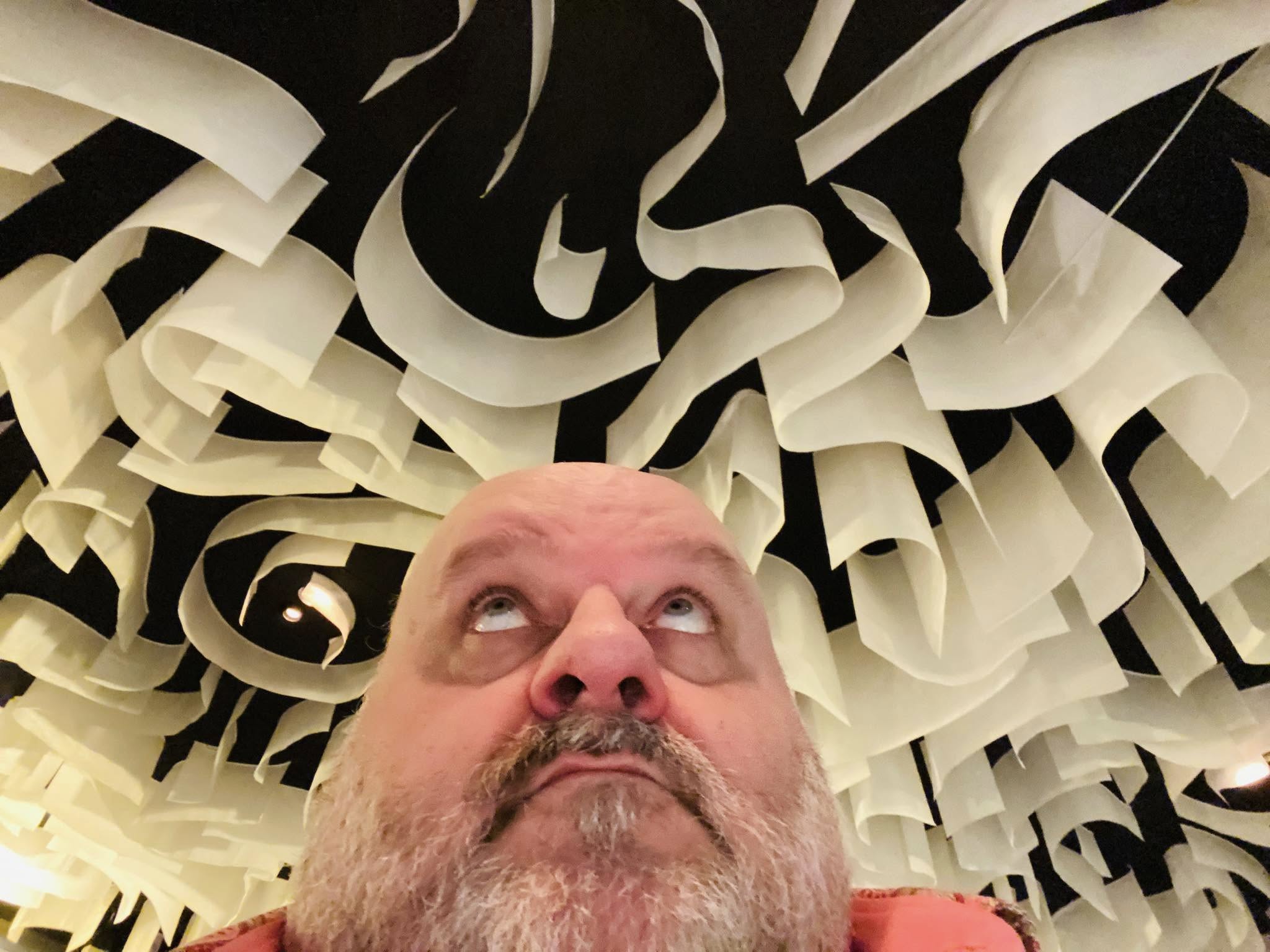
Belgitude is about knowing not to take life too seriously, according to Philippe Genion. Credit: Handout.
Belgian fries
Take fries, for example. Not French. Belgian.“There’s good food everywhere in the world,” says Genion, “but nothing compares to a cone of fries with sauce - crispy on the outside, soft inside. It’s better than a kebab or a burger. It’s its own kind of joy.”
As Genion is quick to point out, part of Belgitude lies in taking quiet pride in the things only Belgians truly understand. “We should be proud of the chicon,” he says, referring to Belgian endive, “because we’re the only ones who call it that.”
The same goes for the famous “Belgian waffle,” a term that makes most locals raise an eyebrow. In reality, there are two distinct types: the Brussels waffle - light, rectangular, and typically served as a dessert with powdered sugar or decadent toppings - and the Liège waffle, a dense, caramelised street snack closer to a doughnut. “Only Belgians really know the difference,” Genion laughs. “No one outside the country does.”
A friendly country
Belgium, he insists, is also one of the friendliest countries on earth. Ask for directions, and someone might not just tell you the way - they’ll drive you there. Even the homeless in Charleroi, he says, are known to greet strangers with warmth.
“The Belgian is joyful,” Genion says. “They’ll say bonjour at the next table in a restaurant. In Paris, they’d stare. In New York, they’d tase you.”
Belgitude also means embracing the quirks of language. Like saying un Orval (masculine) instead of une Orval (as grammar would demand). Or jokingly calling carnivals des carnavaux. It’s not about being correct—it’s about being joyfully wrong in a way that feels right.
At its core, Belgitude celebrates drinking, eating, loving, and laughing. Genion sums it up like this: “We are just a tiny speck in a universe created millions of years ago. To think our lives are that important is ridiculous. So love. Laugh. Eat well. That’s Belgitude.”
So this 21 July, if you want to celebrate Belgium like a local, don’t worry about learning the national anthem or naming all the provinces. Just do three things: smile at strangers, share some fries with mayonnaise, and raise a beer to the absurd beauty of being Belgian. And if you’re curious to dive deeper into Belgian expressions, there’s always Genion’s book, Comment parler le belge ?
