But in China’s southeastern city of Changzhou, fried rice takes on a distinctive character: radish fried rice—a deceptively simple medley of preserved radish and perfectly separated grains—is both a tribute to culinary heritage and a product of modern gastronomic refinement.
Its appeal lies not merely in taste but in philosophy. The sizzling wok, releasing fragrant steam from crisp radish and aromatic rice, captures something deeply rooted in Jiangnan—the southern Yangtze Delta region—where seasonal rhythms, yin-yang balance, and reverence for nature shape daily life. The dish has graced the menus of Black Pearl-rated restaurants and represented Chinese cuisine on global stages.
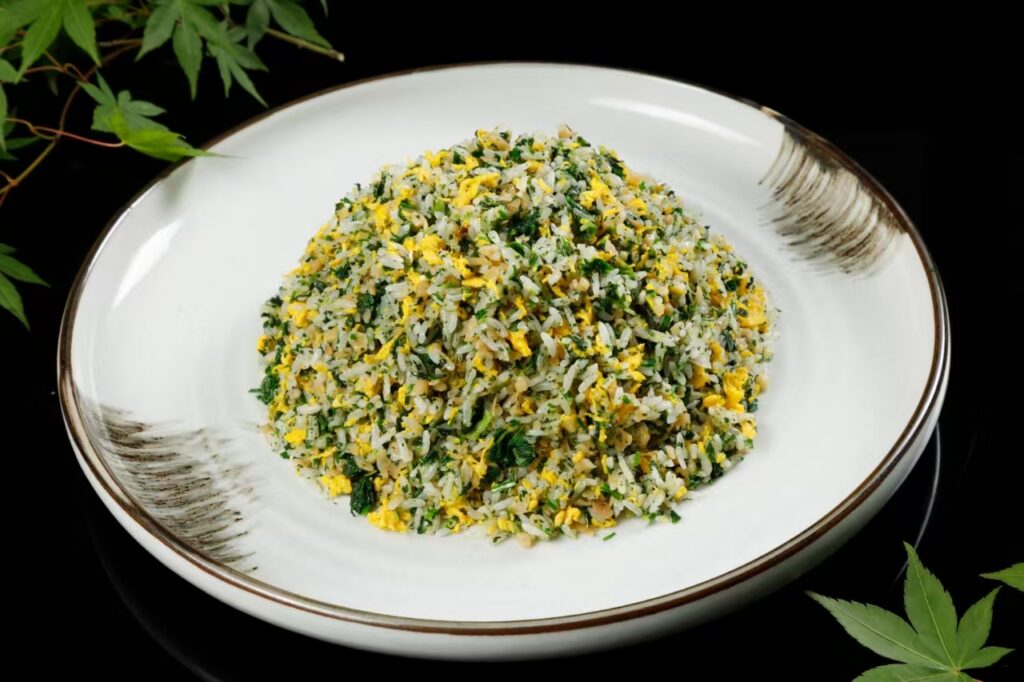
Changzhou fried rice
In June 2025, this humble yet expressive bowl crossed borders, appearing in Brussels at the Maison de la Poste and Hotel Amigo as a “star dish” during events such as the opening of Jiangsu Week celebrating Grand Canal culture, as well as the China-EU cultural and gastronomic exchange. It served not just as a delicacy, but as a cultural prelude—an edible metaphor for China’s dialogue with the world.
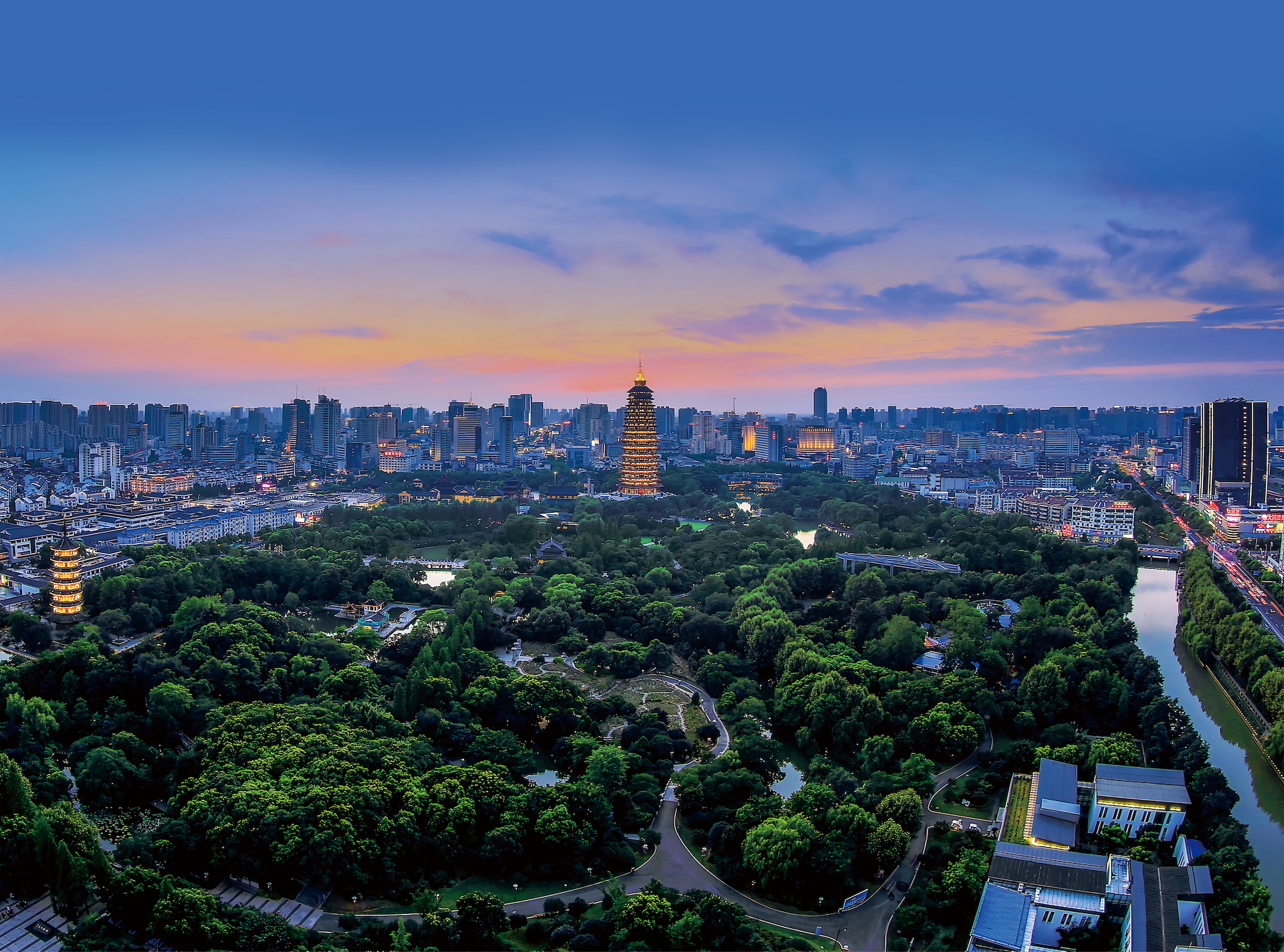
Changzhou, positioned between Shanghai and Nanjing and traversed by the ancient Grand Canal, is a city whose identity is built on trade, industry, and food. Beyond fried rice, the city offers Song Dynasty-style pastry, seasonal meatballs known as “lion’s head”—a richly braised pork dish popular in Jiangnan cuisine—sugar-blowing artistry, and intricate food sculpture: all expressions of edible craftsmanship. Even the Sino-Belgian canal sand paintings presented during the event added visual texture to this evolving culinary narrative.
As Liu Yuchun, a master chef and director of the Jiangnan Culinary Research Institute, remarked: “Every dish carries the legacy of craftsmanship steeped in the waters of the Grand Canal.”
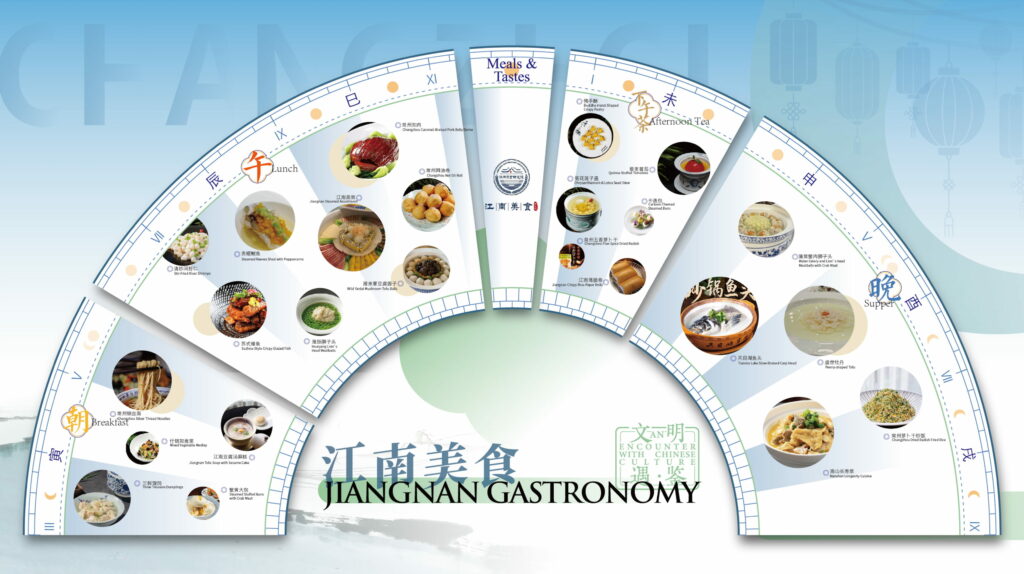
Changzhou’s culinary delights
But Changzhou’s offering was not limited to food—it also carried a philosophy, embodied in traditional Chinese medicine (TCM). In this worldview, food and healing are intimately linked. While culinary art seeks harmony in flavour and temperature, medical practice pursues balance in body and spirit. Both are rooted in the same holistic dialogue with nature.
The Menghe medical school, one of China’s most influential local TCM traditions, has over 1,500 disciples across 17 countries. At the Brussels showcase, visitors queued to experience therapeutic techniques from Dr Zhu Jun of Changzhou Municipal TCM Hospital. Methods such as the “Spreading Fingers” massage and “Dragon’s Tail Sway” drew fascinated responses: “I didn’t know the body could be awakened without medicine.”
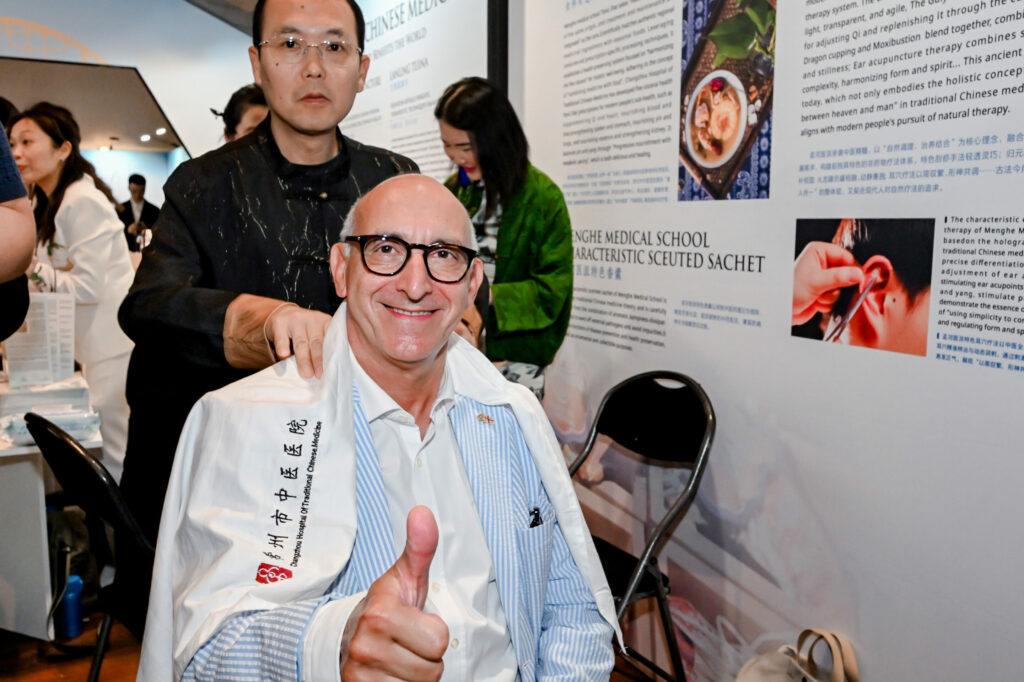
Visitors experiencing the Menghe TCM therapy
From palate to pulse, from taste to therapy, Changzhou’s message was clear: Chinese wisdom—whether served in a bowl or transmitted through touch—revolves around a shared core: 和(He), the art of harmony. With understated poise, the city offers the world a sensory dialogue that spans continents while remaining firmly rooted in canal-side traditions.
Visitors are warmly invited to discover Changzhou in person—to taste a bowl of fried rice, feel a revitalising press along the body’s meridian lines, and uncover the many-layered treasures of Changzhou, a city where tradition and modernity walk side by side.
Watch the full video "Exploring Changzhou's Life Aesthetics Along the Grand Canal" for more insights.
