
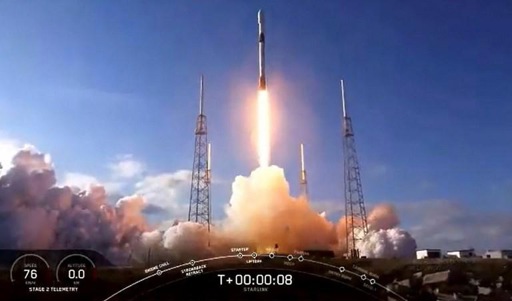
SpaceX – the commercial space exploration company founded by technology tycoon Elon Musk – launched a mission for the Starlink internet network on Sunday from Cape Canaveral in Florida to strengthen its internet access service.
A SpaceX Falcon-9 rocket took off at 16:20 Eastern Daylight Time, with 53 Starlink satellites on board, each weighing around 260 kg.
The rocket returned to Earth and landed on the platform 'Just Read The Instructions', which has been sailing off the coast of Florida in the Atlantic Ocean.
Reusable rockets
It was the 13th launch for this Falcon rocket, equalling the record for reusable rockets set by SpaceX last month. It will likely be the rocket's final trip to the stratosphere.
About fifteen minutes after takeoff, the Falcon-9 rocket released 53 satellites, which will provide high-speed Internet service anywhere on the planet, particularly in areas with less densely populated areas without internet access. The mission will fill in some of the gaps in the world's satellite constellations.
Related News
- Elon Musk pulls out of Twitter takeover deal
- Ukraine’s President thanks Elon Musk for telecoms support
858 of these satellites have already been launched, according to Starlink. SpaceX plans to send off 12,000 more satellites around 2025 to achieve its commercial plans, which will eventually include some 42,000 satellites.
Sunday's launch was the 31st of the year for Space X, already matching the company's total in 2021. 18 of these launches were for Starlink. It was the 165th send-off of a Falcon-9 reusable rocket since 2010.
