
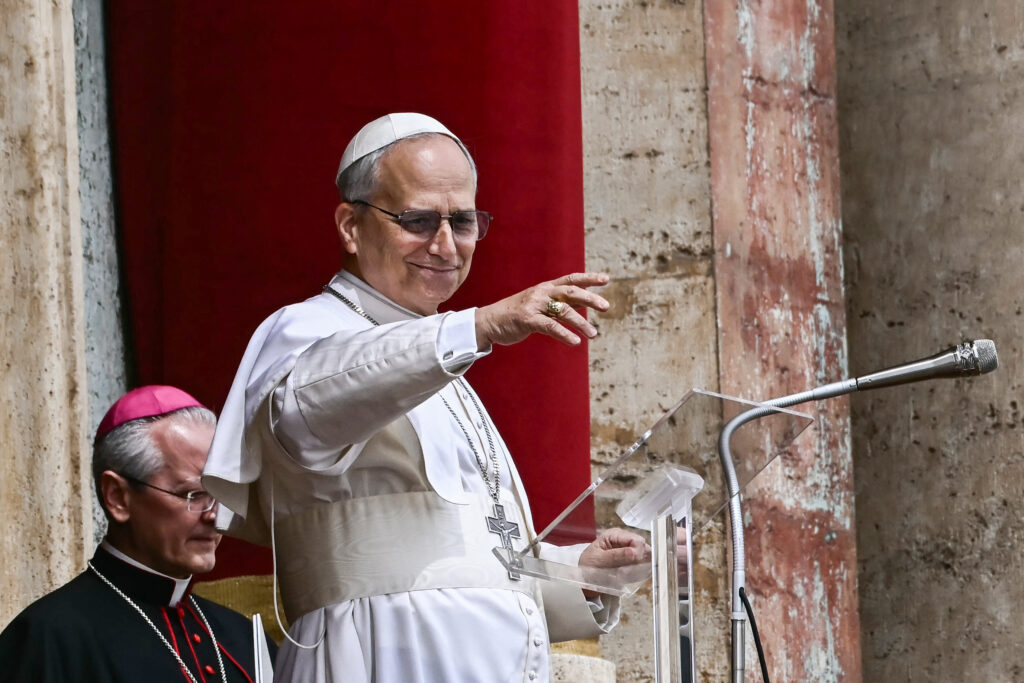
Despite taking up residence in the Vatican, the new pope Leo XIV – an American citizen – could theoretically still be subjected to US taxes under the intergovernmental FATCA agreement, just like millions of 'Accidental Americans'.
The Pope's situation is "highly symbolic" of the issue with the United States tax policy, according to the Tax Fairness for Americans Abroad organisation. For expats and Americans living abroad, the tax return deadline is 16 June – meaning the Pope theoretically still has a month to file his taxes.
"The prospect of an American pope having to renounce his citizenship to avoid having the US Treasury scrutinise his personal finances (and those of the entire Vatican) underlines the absurdity of the US system," Brandon Mitchener, executive director of Tax Fairness for Americans Abroad, told The Brussels Times.
The current US system "imposes double taxation and financial exclusion on millions of Americans abroad," he said.
'Unlikely but not impossible'
Under the US Foreign Account Tax Compliance Act (FATCA) anti-tax evasion measure, financial institutions all over the world must transmit the financial account data of all their customers identified as US citizens to the country's authorities.
This includes the data of "accidental Americans" – those who acquired American nationality because they were born in the United States but have no other ties to the country. However, as the US tax system is based on citizenship rather than residency, they must still pay American taxes.
The Vatican Bank (IOR) signed a FATCA agreement with the United States in 2015 and could therefore be required to transmit information to the US tax authorities (IRS) about any accounts over which the Pope holds signature authority or legal control.
This means that if the Pope holds a personal or institutional account at the IOR, the US tax authorities are technically entitled to receive that information – and could, in theory, issue an automatic follow-up or even a formal request.
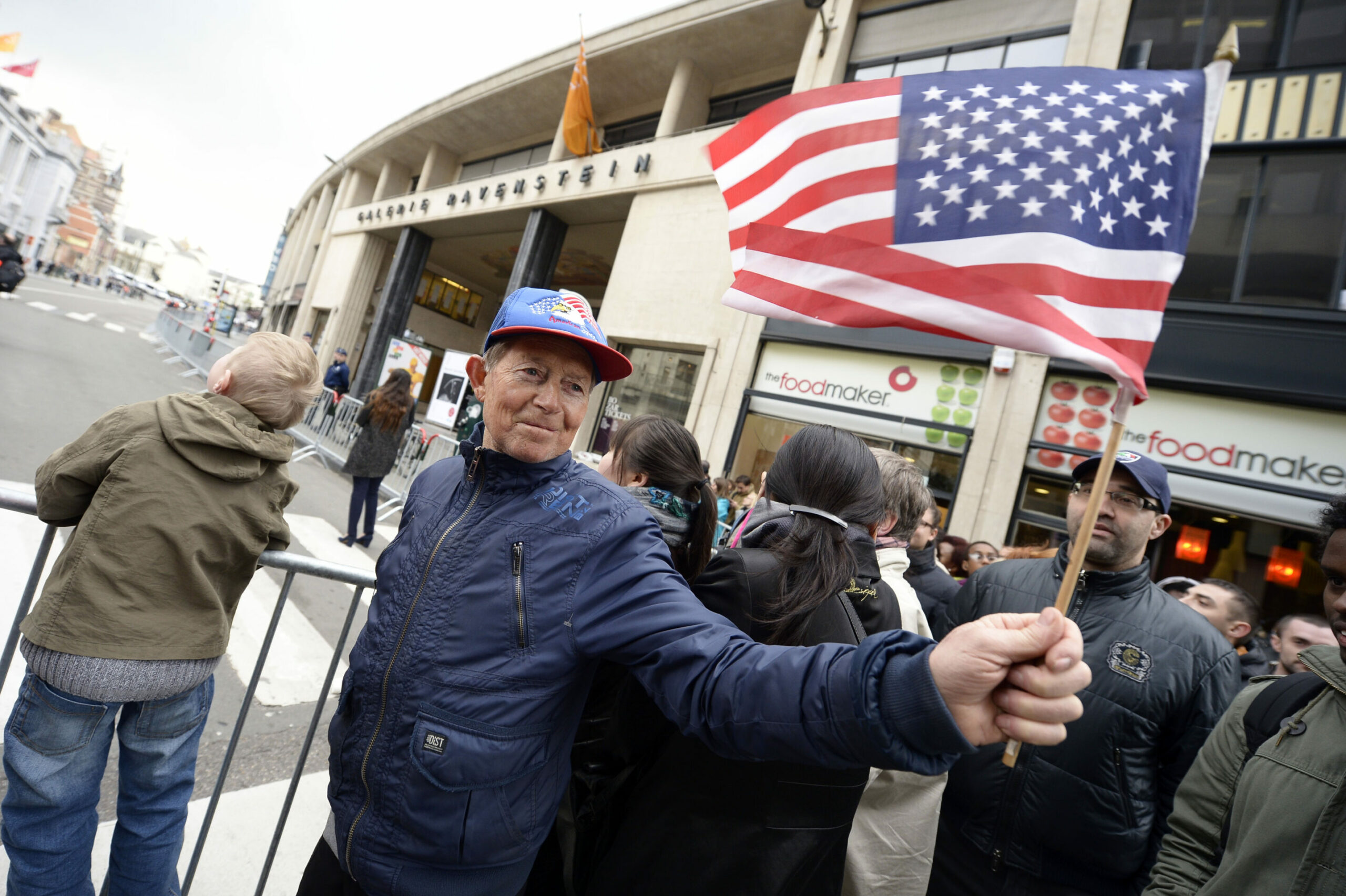
Illustration image of a man with American flag, March 2014. Credit: Belga/Yorick Jansens
As a head of state, the Pope enjoys personal immunity (ratione personae) under the Vienna Convention, which protects him from legal action during his pontificate. However, this immunity does not prevent the US tax authorities from making contact, nor does it guarantee that the Vatican Bank could ignore such a request without diplomatic consequences.
While this scenario is "unlikely but not impossible," according to the Association of Accidental Americans (AAA), it highlights the extreme reach of US extraterritorial taxation.
"It dramatically illustrates what millions of Americans living abroad have experienced for over a decade – including 'Accidental Americans,' individuals who unknowingly acquired US citizenship through birth or parentage, but who are still subject to FATCA and US tax obligations," the association said.
'Textbook example of overreach'
While the Pope is not an ordinary citizen, the kind of treatment he could theoretically face from the US closely mirrors the everyday reality of ordinary citizens. "This is no longer just an anecdote – it is a textbook example of the overreach and limits of a unilateral tax system applied globally."
Republican Congressman Darin LaHood recently introduced the 'Residence-Based Taxation for Americans Abroad Act' in the House of Representatives precisely to address these issues. This bill proposes replacing the US citizenship-based taxation with a residence-based model – one that is already standard in nearly every developed country.
LaHood's initiative also echoes a campaign promise made by US President Donald Trump: to end the double taxation of Americans living abroad. "The election of an American pope now brings an extraordinary, high-profile opportunity to spotlight the absurdity and injustice of a system that disregards borders when it comes to taxes."
