
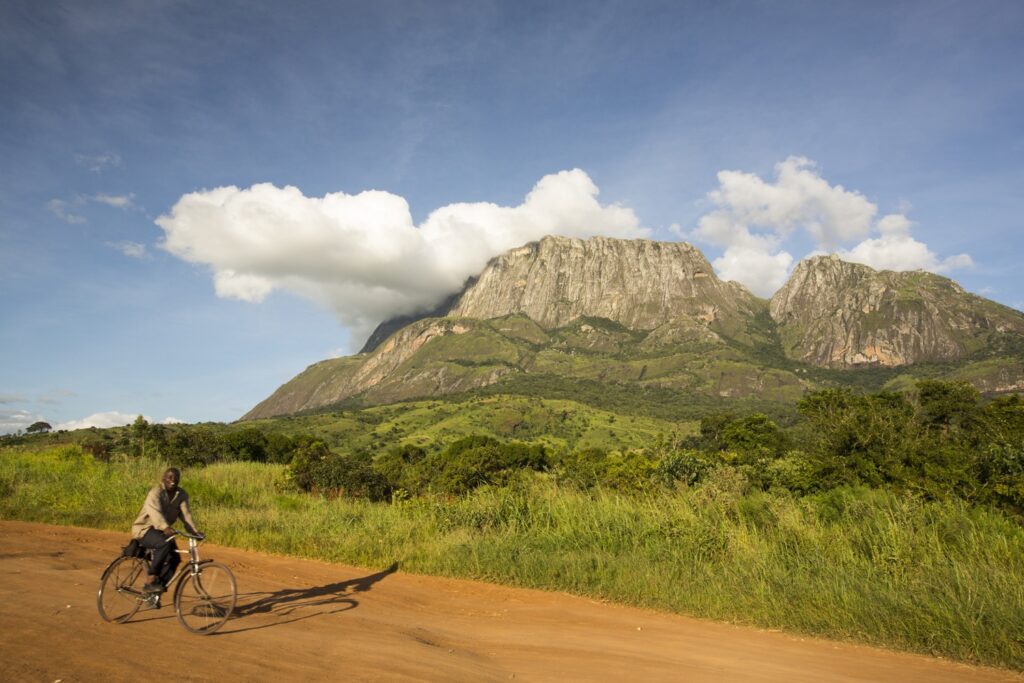
Two cultural landscapes in Cameroon and Malawi were added to UNESCO’s World Heritage List on Friday.
The Diy-Gid-Biy landscape in northern Cameroon features archaeological sites likely established between the 12th and 17th centuries, surrounded by agricultural terraces and places of worship.
The Mulanje Massif in southern Malawi is considered sacred and believed to be inhabited by gods, spirits, and ancestors.
Out of 30 nominations made this year, two landscapes are from African countries not yet on the World Heritage List. These are the Bissagos Islands in Guinea-Bissau and the forests of Gola-Tiwai in Sierra Leone, home to endangered species like forest elephants.
UNESCO’s Director-General, Audrey Azoulay, has repeatedly emphasised Africa as a priority during her two terms, despite its underrepresentation on the list. Around 9% of World Heritage sites are located in Africa, yet nearly a quarter of the heritage sites deemed at risk, due to factors like conflict, climate change, and resource exploitation, are on the continent.
Other nominated landscapes have links to prehistory, such as the Carnac megaliths and the banks of the Morbihan in western France, or to historical memory, such as former repression centres in Cambodia.
