
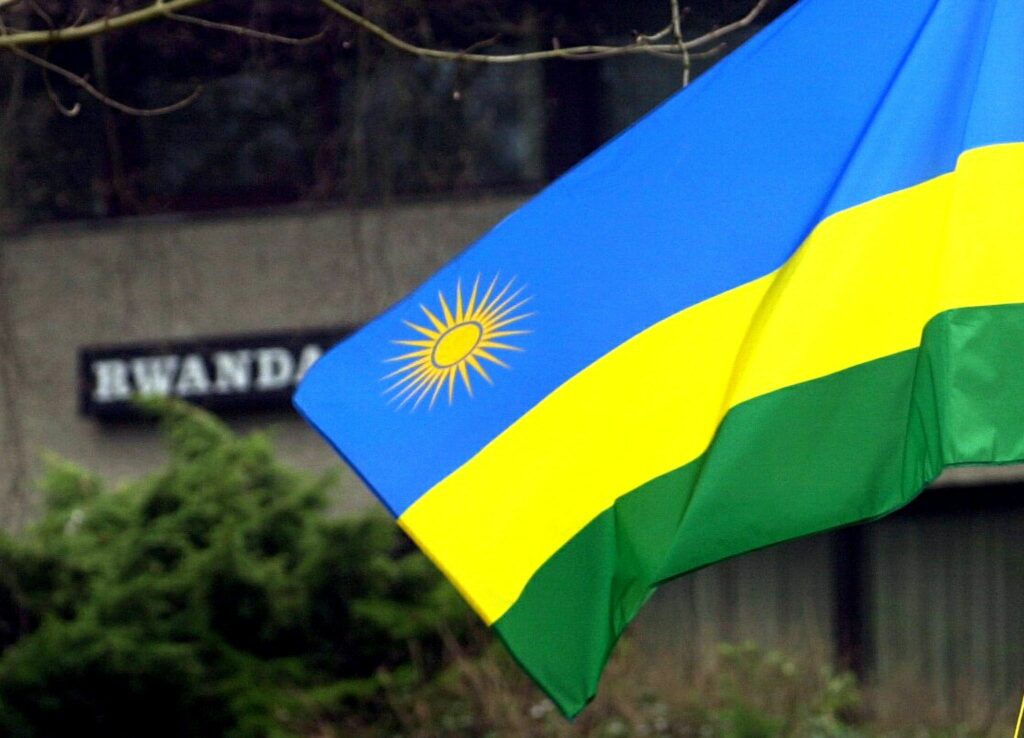
Rwanda's president prevented the selection of a Belgian diplomat as the next EU special representative (EUSR) of the Great Lakes region according to Le Monde's story on Monday. However, a spokesperson for the European Commission denies third-party involvement in the selection process.
In their article, Le Monde says that the selection of the EUSR of the region in Eastern Africa has been delayed after opposition from Rwanda president, Paul Kagame, to the reportedly favourite candidate Bernard Quintin.
The role of a EUSR is to promote EU interests and policies and support the work of the EU High Representative in the relevant regions. The EU's work in the Great Lakes region -which focuses primarily on Rwanda, Democratic Republic of Congo, Rwanda, and Uganda- is aimed at promoting peace, democracy and sustainable development in the area.
Citing the media outlet Africa Intelligence, Le Monde states that Kagame expressed his opposition in a call with French president Macron in back April. The French outlet further cites unnamed diplomats who reportedly corroborate the story of Rwanda's interference in this EU process.
Though not stated explicitly, Le Monde hints at political tensions between Belgium and Rwanda as a potential reason for the alleged interference. It notably highlights last year's rejection of Vincent Karega as the Rwandan Ambassador in Brussels.
The tensions are derived from Rwanda's alleged financial and military support of the violent M23 rebel group's incursions into eastern Democratic Republic of Congo, which Belgium has been very critical of.
However, a spokesperson for the European Commission has denied any interference: "This is an EU internal process. No third-party, nor third-country has a say in this process."
"EUSR Great Lakes selection and appointment process is still ongoing. This is an internal and confidential process and we cannot comment on it in public until a decision is taken," the spokesperson for the European Commission told The Brussels Times.
Nonetheless, they further elaborated, without specifying any outlet, that recent media coverage on the topic has not been accurate. "We have not been commenting, nor confirming any of the speculations or names related to this process that appeared in some media in the past few weeks. Most of this information was either fake, incorrect or defamatory."
The Brussels Times further contacted the same spokesperson for a comment directly on the article by Le Monde, but no response has been received as of the time of publication.
