
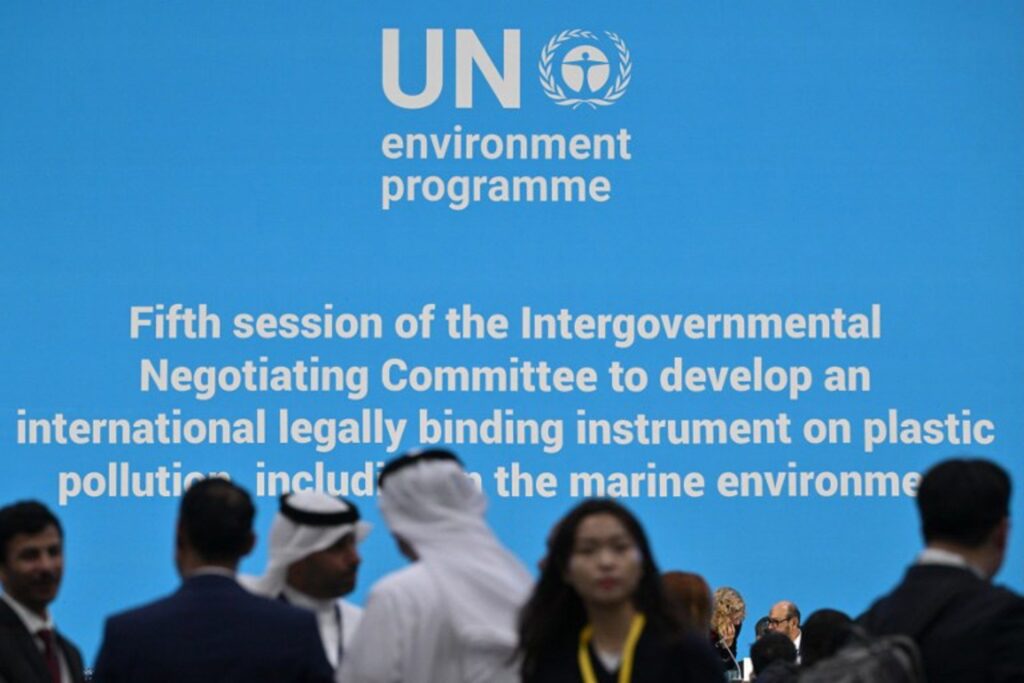
The fifth U.N. Intergovernmental Negotiating Committee (INC) in Busan, South Korea has failed to reach a global agreement to curb plastic pollution.
After a week of negotiations, the 3,300 delegates – representing more than 170 nations and observers from more than 440 organizations - failed to finalise the first international treaty on plastic. According to a press release, the delegates adjourned their fifth session on Sunday with agreement on a ‘Chair’s Text’ that will serve as the starting point for negotiations at a resumed session in 2025.
“We need to build on the progress made during the week,” said Ambassador Luis Vayas Valdivieso, who chaired the talks. “There is a general agreement to resume the session at a later date.”
Through the week, Members negotiated two documents by the INC Chair, before agreeing on the closing day to transmit the Chair’s Text to the resumed session.
“The world’s commitment to ending plastic pollution is clear and undeniable. Here in Busan, talks have moved us closer to agreeing on a global legally binding treaty that will protect our health, our environment, and our future from the onslaught of plastic pollution,” said Inger Andersen, Executive Director of the UN Environment Programme (UNEP).
Prior to the negotiations UN Secretary-General António Guterres pleaded the delegates to reach a deal warning that “by 2050, there could be more plastic than fish in the ocean,” adding that “microplastics in our bloodstreams are creating health problems we’re only just beginning to understand.”
Plastic waste has accumulated to over 10 billion tons since the 1950s, filling landfills and clogging sewage systems, streams and rivers, ending up in the ocean. The public’s calls for action bore fruit in 2022, when the UN Environment Assembly (UNEA) resolved to end plastic pollution by adopting resolution 5/14, which established an Intergovernmental Negotiating Committee (INC) to work towards a treaty.
