
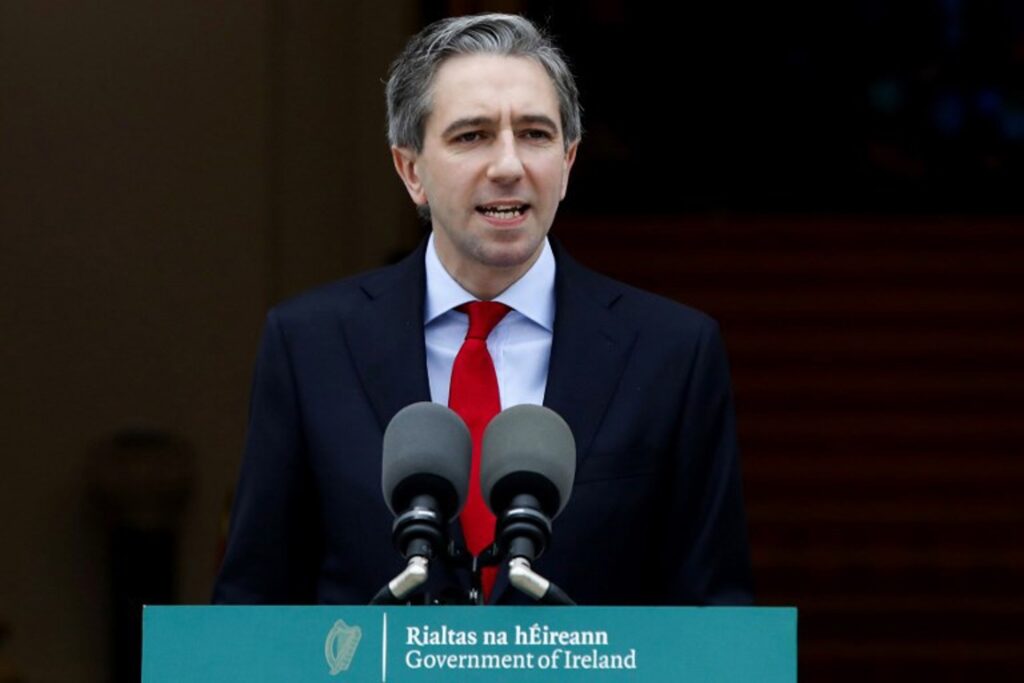
Fianna Fáil and Fine Gael appear poised to retain power in Ireland after Friday's general elections, though lengthy negotiations to form a new government are anticipated.
Out of the 153 seats already allocated in the 174-member lower house of Parliament, Fianna Fáil, led by Deputy Prime Minister Micheál Martin, has secured 40 seats, while Prime Minister Simon Harris’s Fine Gael has won 33.
The left-wing nationalist party Sinn Féin, led by Mary Lou McDonald, which had been projected to lead by a narrow margin in an exit poll on Friday, currently holds 34 seats, placing it in second position.
Voter turnout was historically low at 59.7%, the lowest since at least 1923, according to local media.
Due to a complex electoral system, final results are not expected for several days, but the reformation of a coalition government led by the two centrist parties is on the horizon.
To form a majority, a party or coalition needs to secure at least 88 seats.
"The centre has held firm,"Fine Gael senior member and re-elected politician Paschal Donohoe said on Sunday, adding, “But we still have a lot of work to do.”
The future government will need to address the challenges facing Ireland and its 5.4 million residents. Despite a prosperous economy driven by favourable tax policies that attract foreign investment, the country is grappling with a housing crisis and rising living costs. Immigration was also a major theme during the campaign.
