
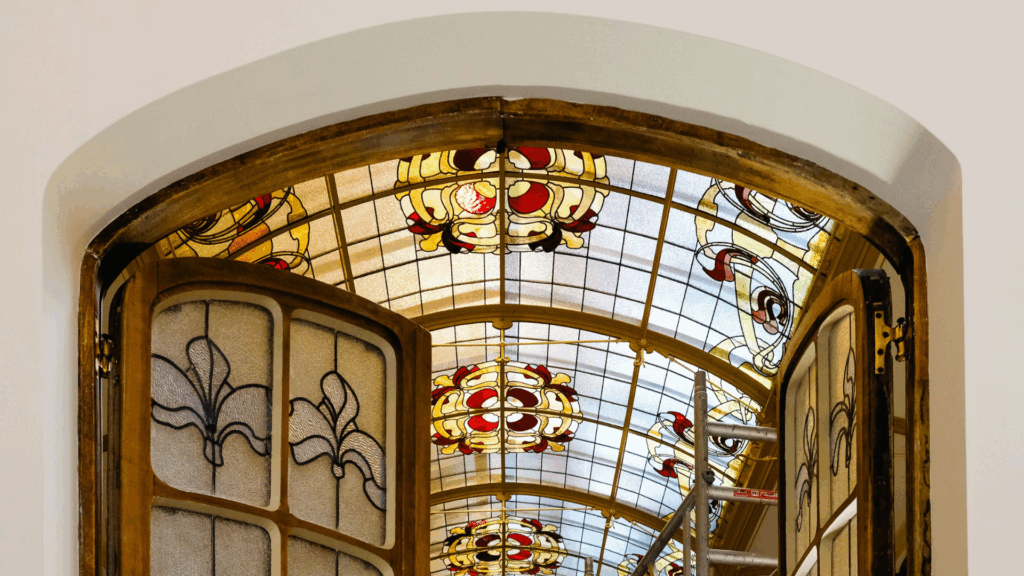
Brussels' Art & History Museum is opening two galleries dedicated to often unseen Art Nouveau and Art Deco collections. Among the pieces to be showcased from 13 June is Victor Horta's 'Winter Garden'.
The Ghent-born architect designed the iconic Winter Garden in 1900 for the engineer Jean Cousin. Winter gardens are enclosed spaces with windows that allow the appreciation of the outdoors while remaining indoors. Horta's creation was an impressive structure with flowery stained glass. It measured around nine metres in height and four metres in width.
Despite being an architectural masterpiece, the "garden" was dismantled in the 1960s, when several buildings were demolished in Brussels. Decades later, Horta's gem has now been fully restored in one of the museum's largest projects to date.
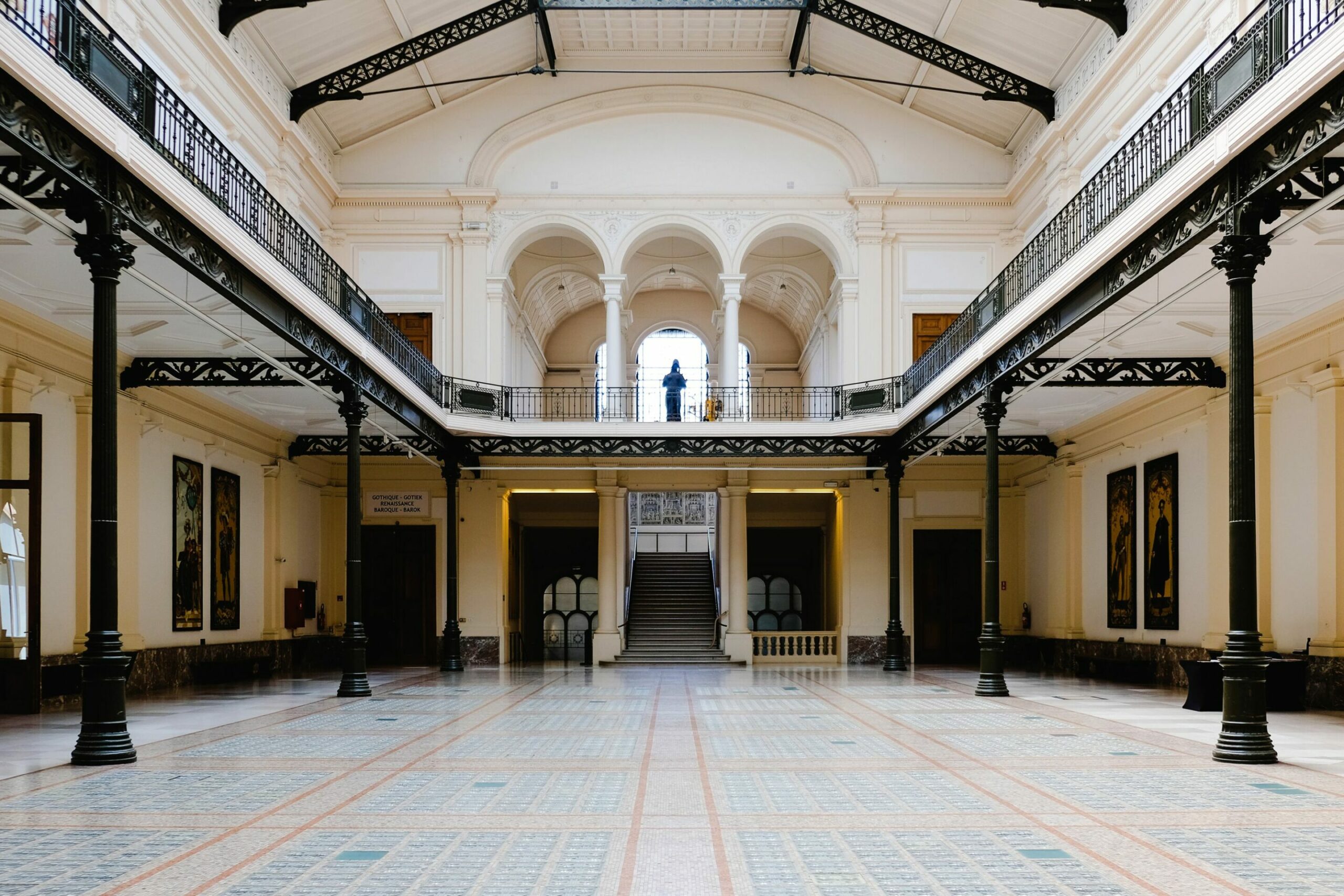
Picture of "Decorative Art" sculpture by Pieter Braecke taken at The Art & History Museum. Credit: Belga/Stephanie Linsigh
The structure will be the centrepiece of the 715 m² room dedicated to Belgian Art Nouveau and Deco pieces. The exhibition promises to give visitors an insight into what lay behind the closed doors of the typically wealthy Brussels Art Nouveau residences.
Alongside Horta's garden, visitors can expect furniture and objects from other notable architectures and designers, including Henry van de Velde, Oscar van de Voorde and Paul Hankar.
A second gallery, around 500 m², will also open its doors to the public in June. This room will guide visitors through the evolution of the styles of "decorative arts" preceding Art Nouveau. This will include Empire, Neo-Gothic, and Japonism styles.
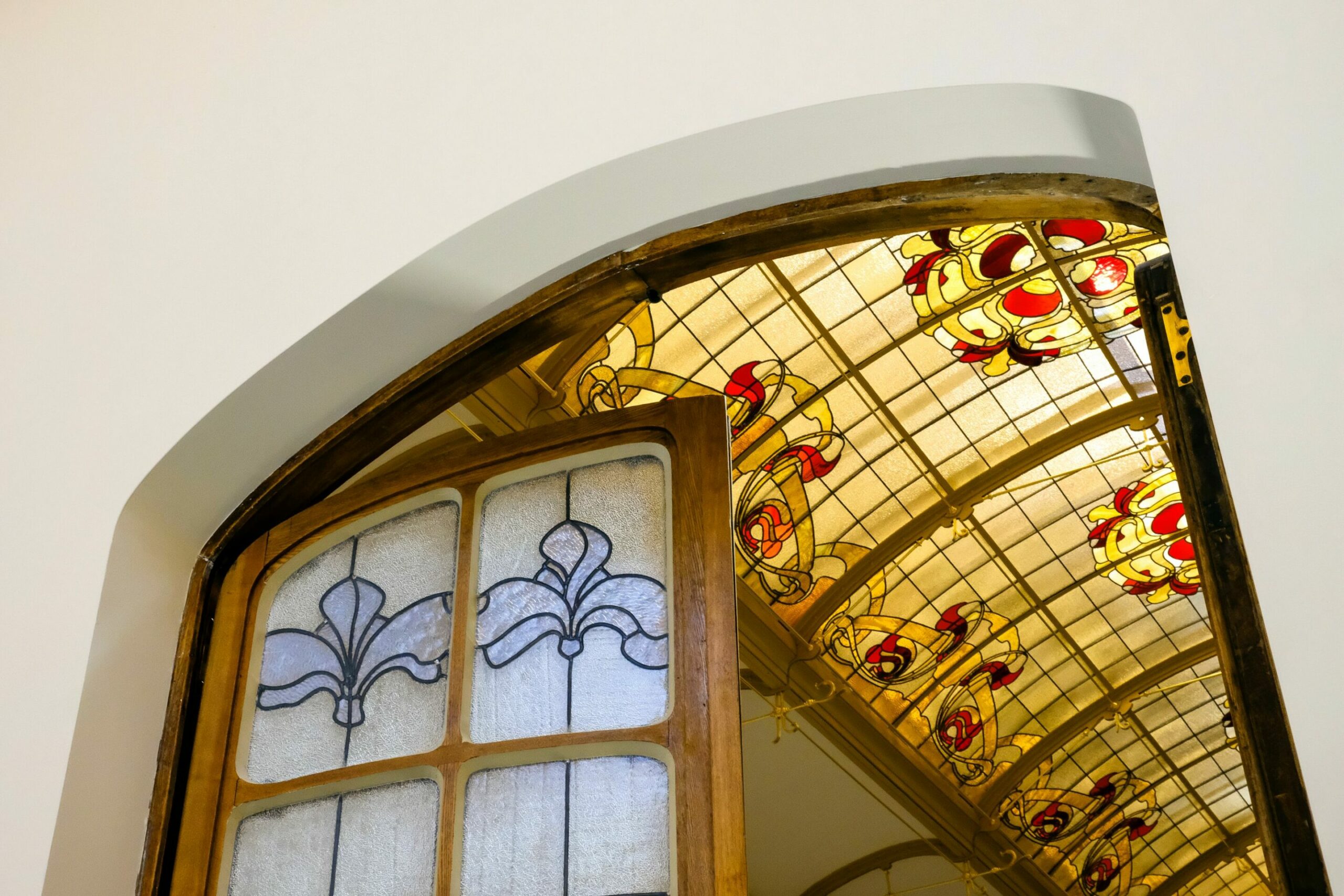
The reconstruction of the winter garden in the Cousin house by Victor Horta. Credit: Belga/Stephanie Linsingh
Featured in the gallery will also be thematic presentations of social changes, including the themes of industrialisation or transportation and the bourgeois social class.
Among the masterpieces featured is furniture from the French Jacob Family, which was used at a ball of the Duchess of Richmond, three days before the Battle of Waterloo. Candlesticks by the Parisian goldsmith Odiot, from the estate of Count Thierry de Looz-Corswarem, are also set to be displayed as a loan from the King Baudouin Foundation.
More information about the museum and ticket prices can be found online.
