
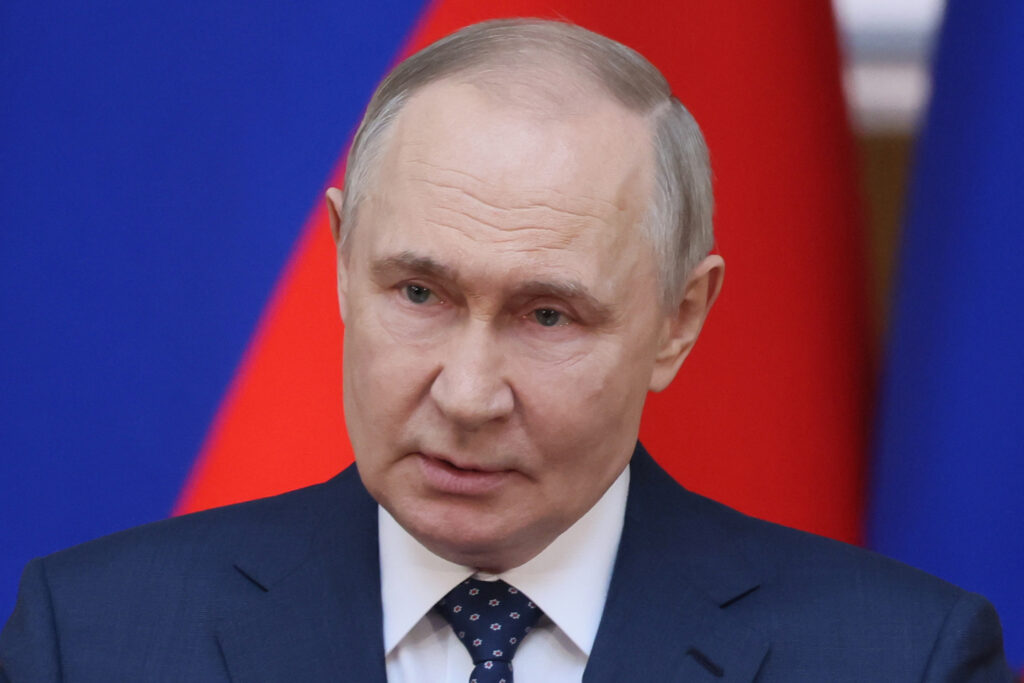
The EU is preparing a new method to use Russia’s frozen assets – currently held in Belgium – to fund €170 billion of "reparation loans" for Ukraine. It hopes to unblock a contentious issue which could help Kyiv's defence.
The latest proposal being discussed by EU officials would allow the EU to transfer Russian funds to Ukraine without seizing its assets. They are currently being held at the Brussels-based financial institution Euroclear.
This new approach is designed to placate Belgian concerns over the political and financial implications of seizing Russia's frozen assets held inside the EU in order to fund Ukraine's defence.
Belgium, as well as other EU Member States such as France and Germany, is worried that any seizure of Russian assets could make it more vulnerable to retaliation from Moscow. The financial liabilities associated with handling the frozen assets are also a key concern.
What's in the proposal?
This impasse has led to renewed efforts to find a new solution. According to the latest proposal, the liquid assets of Russia’s central bank could be used to buy zero-interest EU bonds, which could then be transferred to Ukraine in instalments.
Currently, some €170 billion of the nearly €194 billion of Russian assets have grown into cash balances on Euroclear’s books, according to insiders who spoke to the Financial Times (FT).
Moreover, the US has been pushing the G7 to "consider seizing (or otherwise use) the [Russian sovereign assets] principal innovatively to fund Ukraine’s defence", it recently told G7 members in a note seen by the FT.
Last week, European Commission President Ursula von der Leyen backed the initiative, saying Ukraine’s loan would not need to be repaid if Russia agreed to compensate Kyiv for its full-scale invasion.
"With the cash balances associated to these Russian assets, we can provide Ukraine with a reparations loan. The assets themselves will not be touched. And the risk will have to be carried collectively," she told the European Parliament.
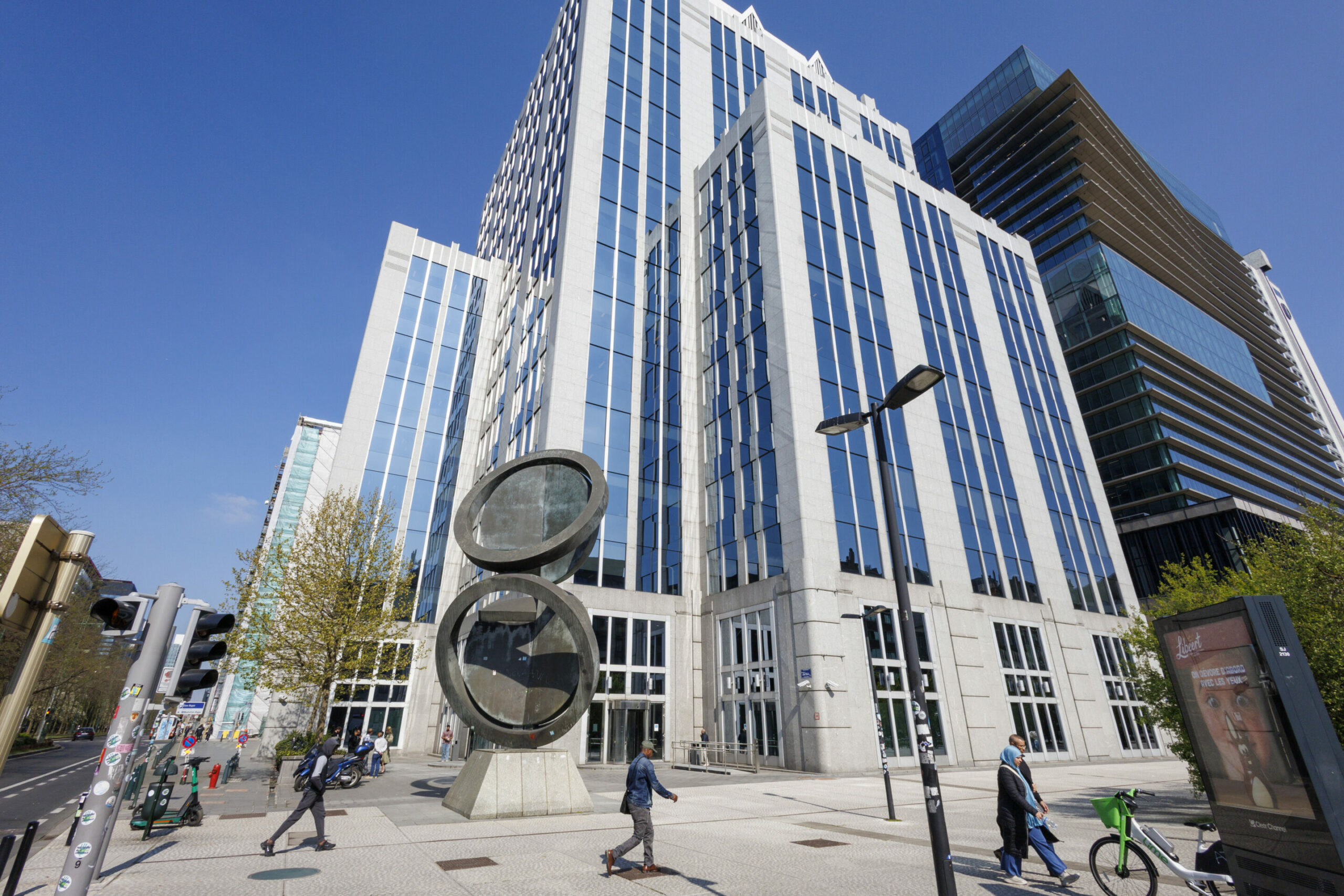
An outside view of the building of the headquarters of the Euroclear Group financial institute in Brussels, Wednesday 09 April 2025. Credit: Belga / Nicolas Maeterlinck
Efforts to find other ways to finance Ukraine’s defence have been stepped up as US President Donald Trump’s attempts to broker peace have fallen flat. The US has also pulled its support for Kyiv since Trump's inauguration, with European states picking up the bill.
On the Russian side, Moscow warned on Monday that it would go after any European state that sought to take its assets following media reports on this new reparations loan. European states argue that Russia must pay for Europe’s deadliest land war since the Second World War.
'Cannot confiscate assets tomorrow'
However, some bankers are also worried about setting a precedent for seizing foreign assets, as it could affect confidence of countries to invest their money in Western government bonds.
This position has been argued by Belgium’s Foreign Minister Maxime Prèvot, who last week reiterated the country’s opposition to seizing any Russian assets.
"We cannot afford in Europe to send a political signal to those who have capital on European financial markets that, for political reasons, we could confiscate these assets tomorrow," Prévot reiterated on RTBF last Thursday when questioned about the issue.
According to Prévot, the interest generated by the assets has yielded €50 billion, and these assets constitute "leverage in negotiations with Russia". Prévot believes that given the budgetary pressure on European states, the "temptation" to use these €200 billion is high.
However, the minister maintains that confiscating them “for political reasons, without a court ruling, without a secure legal environment, with the systemic consequences of weakening European financial markets, which could collapse, is not an option.”
In an interview with the Financial Times, Prévot did not completely rule out a discussion on a new way of using these assets, meaning Belgium could be more forthcoming on the latest initiative.
"If new initiatives were to be taken, it would be necessary to ensure their legal soundness, but also that there is risk sharing," explained Prévot.
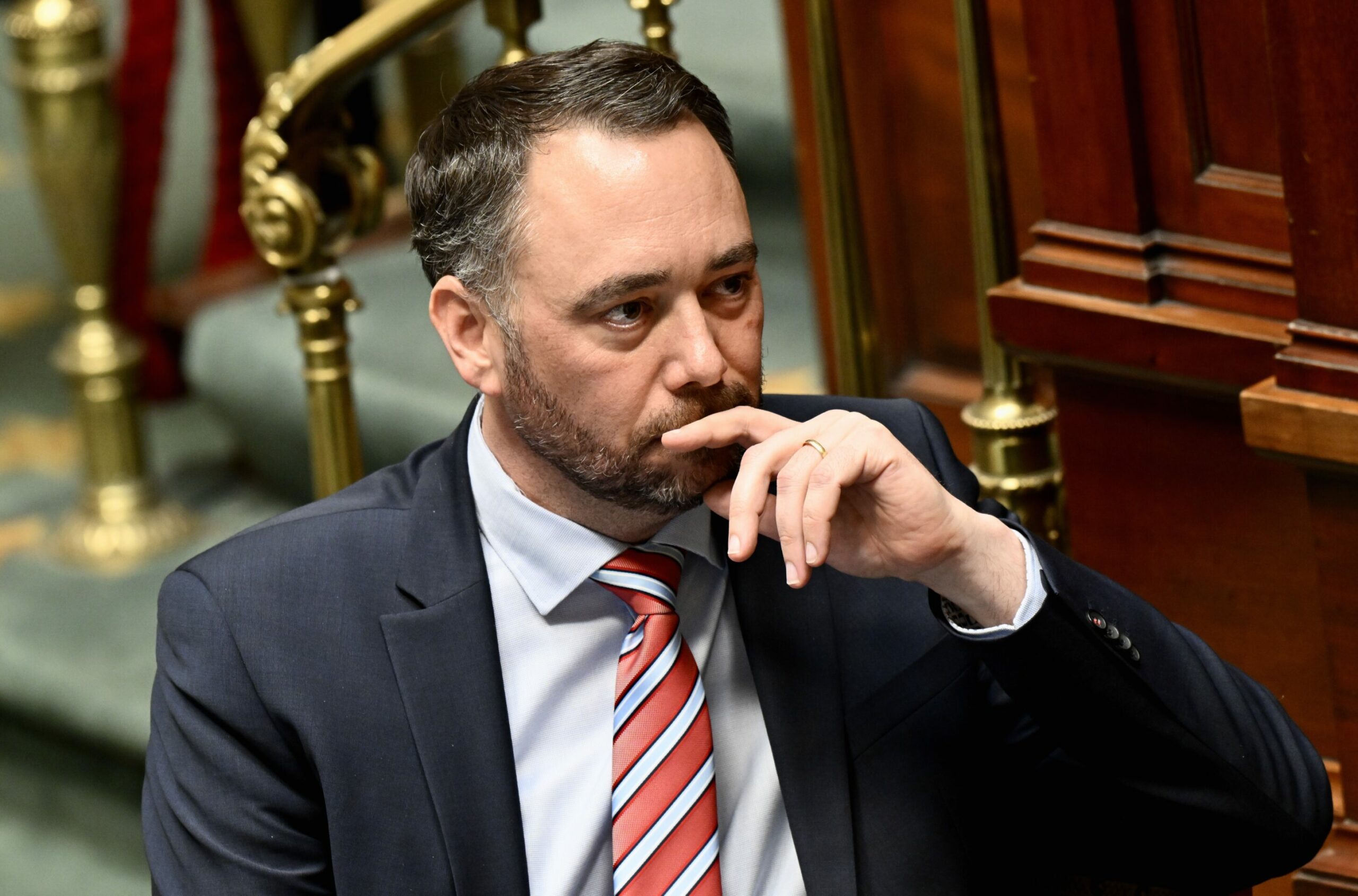
Vice-Prime Minister and Minister of Foreign Affairs Maxime Prevot pictured during a plenary session of the Chamber at the Federal Parliament in Brussels, Thursday 20 March 2025. Credit: Belga / Eric Lalmand
Belgium fears that legal action, or even the collapse of Euroclear, could expose it to colossal financial consequences that could lead it to "repay... the equivalent of its annual budget," as Prévot argued.
Euroclear, sometimes described as the "notary of the financial world", handles large financial transactions between investors and major financial institutions and governments.
It normally also provides its "notary services" to Russian companies and governments, but the Russian assets – such as cash, shares and bonds – at Euroclear are frozen since the beginning of Russia's invasion of Ukraine.
In May, Euroclear announced that it would transfer part of the billions of euros in frozen Russian assets to Western investors affected by Moscow's counter-sanctions. Last year, the G7 agreed to use profits from Russia’s frozen assets to underwrite a $50 billion loan to Ukraine.
This week, Ukraine's Defence Minister, Denys Chmygal, said Ukraine needs more than €100 billion in 2026 to finance its defence against Russia's ongoing invasion.
This Friday and Saturday, EU finance and economy ministers are meeting in Copenhagen to discuss the latest proposal.
The Brussels Times has approached the Belgian Foreign Ministry for comment on this matter.
