
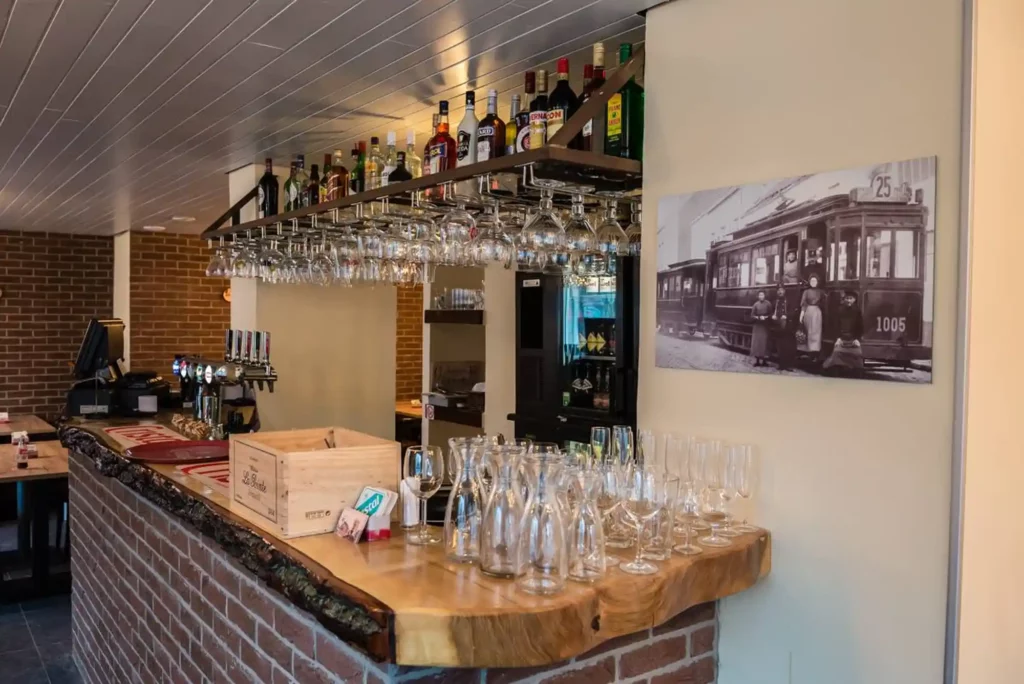
The popular Brasserie Saint-Julien in the Brussels municipality of Auderghem has closed its doors. The establishment is one of hundreds which have been forced to shut recently due to Belgium's struggling hospitality industry.
Located in Auderghem, the beloved Brasserie Saint-Julien – which has operated under this name since 2019 – closed its doors for good on Thursday 18 September, marking the end of an era.
"This is the end of a wonderful adventure shared with our loyal customers and friends, who will remember it as a warm and lively place. It has been a real pleasure to welcome you!" the brasserie announced on its Facebook page.
Sitting on Square Jean-Baptiste Degreef, the brasserie was popular among locals for its friendly atmosphere and diverse menu, serving up Belgian classics like shrimp croquettes, boulettes à la liégeoise, carbonnade, and vol-au-vent, but also crowdpleasers such as cheeseburgers and pasta dishes.
Despite a loyal clientele and many fond memories, the brasserie has not been able to withstand the economic climate. "Things are slightly worse than they were a few years ago, and business is not as good," the restaurant manager, Manu, told Sudinfo.
"Since the end of Covid, habits have changed. Purchasing power is declining, and people are more hesitant to spend. All of this means that the hospitality industry is not doing as well as before."
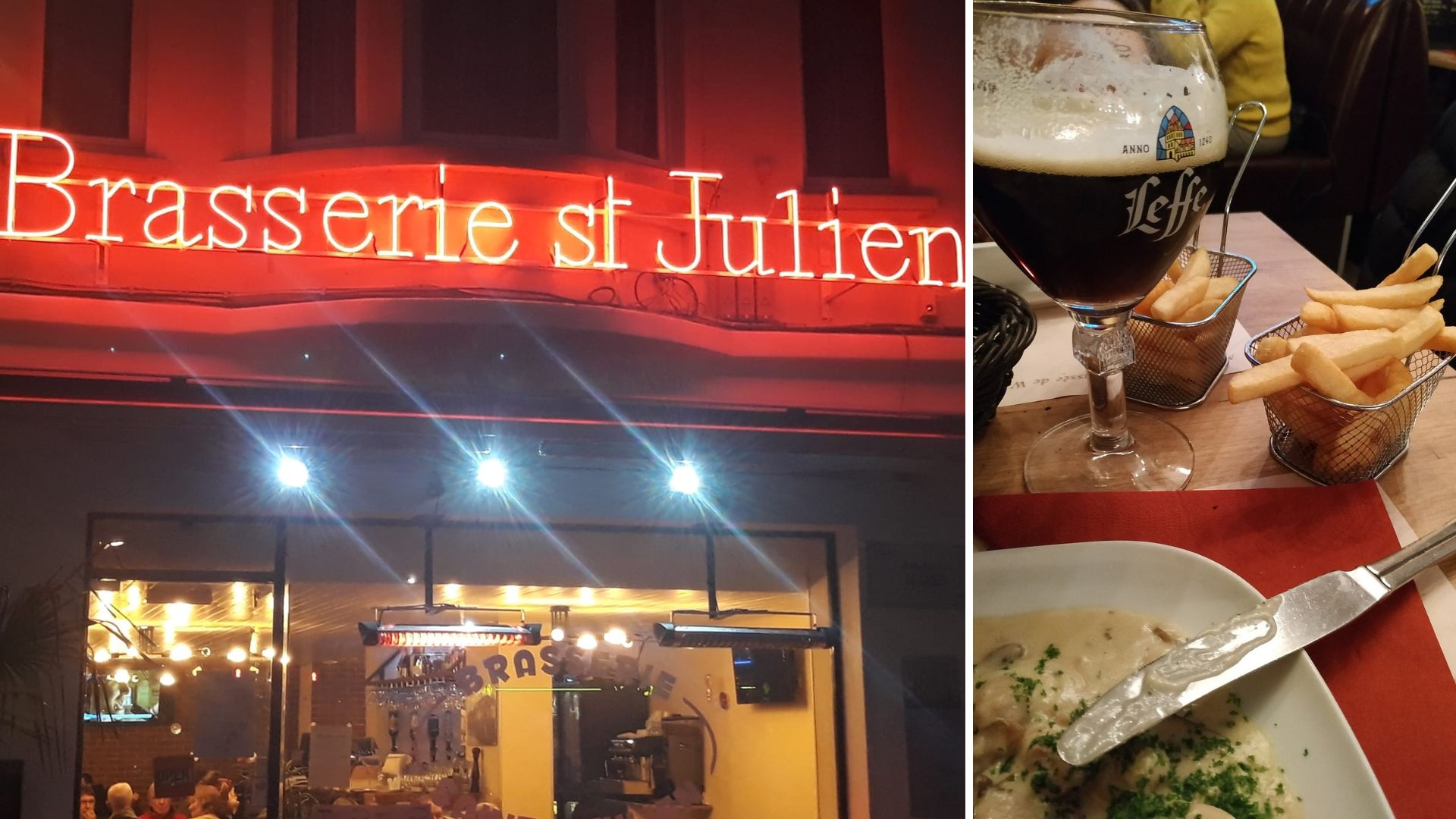
Credit: Trip Advisor / 23Nasko / Brasserie Saint-Julien
Concerning trend
The hospitality sector seems to be suffering more in Auderghem than in other Brussels municipalities, but the brasserie's closure signals a wider trend across the country.
In 2024, 813 restaurants had to close their doors in Belgium, totalling about 3% of all establishments in the country. By the end of the year, around ten more are expected to close in Wallonia.
This crisis is particularly affecting gourmet restaurants. "Seven or eight have announced their closure by the end of the year, and they are all gourmet restaurants," Filippo Santagelo, chef at the Adagio and Gusto restaurant in Mont-sur-Marchienne, told RTL Info. "I find it hopeless and catastrophic."
Santagelo will also have to close his establishment in a few weeks. "We can no longer pass on the costs and expenses associated with a gourmet menu. It requires more manpower than a traditional restaurant. The cost of raw materials has also skyrocketed."
He believes there are too many gourmet restaurants in Belgium and says there should be fewer of them "for everyone to be able to make a living". Gourmet restaurants would have had to increase their prices by 30% to survive easily, according to the Horeca Wallonie Federation.
Related News
- How are Belgians spending their money?
- Brussels set to lose two beloved Michelin-listed restaurants
- Have you tried these veggie restaurants and cafés in Brussels?
Sommelier Eric Boschman agrees, saying that "gourmet restaurants that offer nothing more than beautiful cuisine, with tweezers and two flowers, are going through tough times". The public feels they are too expensive and want more value for money, he adds. He believes restaurants must adapt and source more local produce to reverse the trend.
The number of Belgians going to restaurants has also fallen from 51.3% in 2019 to 43.5% in 2023, according to Statbel. This, combined with inflation, high taxes and social security contributions on labour costs, increased teleworking, and competition from fast food chains are all factors leading to more restaurant closures.
