
From the cost and the different contracts to solar panels and more, matters related to energy concern everyone. And oftentimes, they can be confusing. To shine a light on the complexities, consumer protection organisation Testachats dives into a topic affecting customers for The Brussels Times. This month, the focus is on how advance payments work.
Understanding where your electricity comes from and how it is used is key to understanding how much customers are paying for their energy usage. Previous explainers delved into energy bills, how (and when) to switch suppliers, solar panels, heat pumps and negative electricity prices and dynamic rates, this one focuses on a new type of energy contract.
How do energy contract payments work?
Consumers pay a monthly amount to their supplier, through advance invoices – meaning they are already paying for their estimated annual energy consumption, spread over 12 months. "Ideally, your monthly advance payment is exactly 1/12th of your total annual consumption cost," Laura Clays, spokesperson for Testachats, told The Brussels Times.
"At the end of the year, you will receive an annual bill. Your energy supplier will then compare your advance payments with your actual consumption, based on the meter readings they receive from the grid operator." If your consumption is higher than expected, you will be charged extra. If you use less energy than you paid for in advance, you will receive a refund.
People with a digital meter living in the Brussels-Capital Region can now also choose to settle their actual energy consumption monthly, instead of using advance payments. "The digital meter sends your exact consumption for that month to the grid operator, who then forwards it to your supplier."
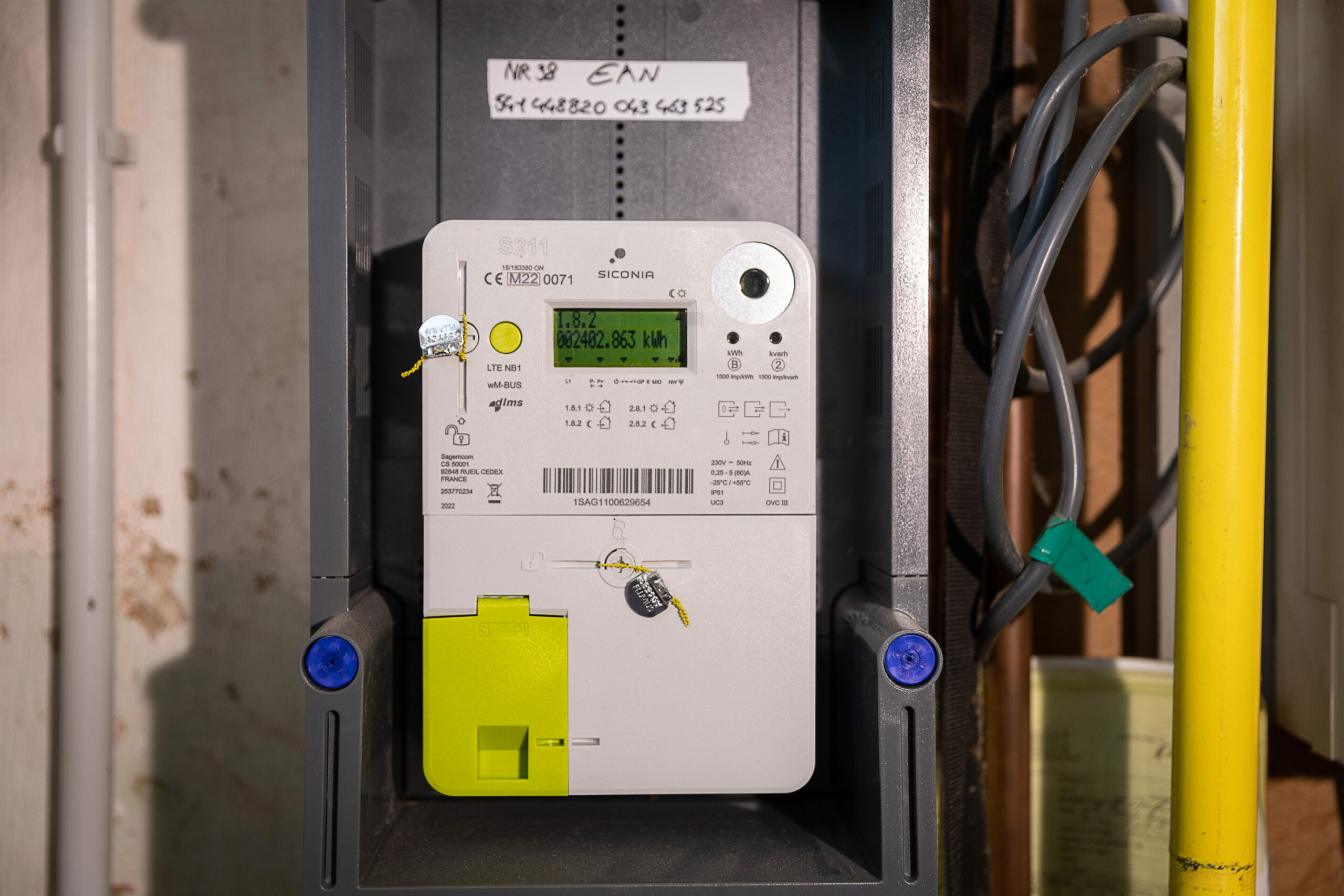
A smart digital electricity meter. Credit: Belga/ James Arthur Gekiere
A major advantage of monthly billing is that consumers know exactly what they are paying, said Clays. "You pay for what you actually used in the past month, just like your telecom bill. This way, you avoid the risk of a high bill, for example, because your advance payment was underestimated."
Additionally, consumers also gain faster insight into their energy consumption: if they turn down the heating a few degrees or go on a month-long trip, they will immediately notice the difference on their next energy bill. "This way, you will immediately feel the consequences of your behaviour and can react more quickly if you notice your consumption is higher than expected."
However, monthly billing also has a major disadvantage: there will be peaks and troughs in your monthly payment, while many people prefer a stable spending pattern because it offers financial security.
"With advance payments, the amount you pay every month is exactly the same," Clays said. "With monthly bills, however, that amount will fluctuate depending on your consumption. Generally, you will pay more in the winter and less in the summer."
How do you calculate an advance payment?
When comparing energy contracts, you need to estimate your consumption. "This estimate, along with the price of your energy contract, gives you an idea of the total annual price. Then, this amount is recalculated into a monthly price, and that is your advance payment."
However, your consumption can differ from the estimate: you might have miscalculated, your family composition changes, you install solar panels, you buy an electric car… Or if you have a variable contract, the energy price changes, causing your estimated annual price to differ.
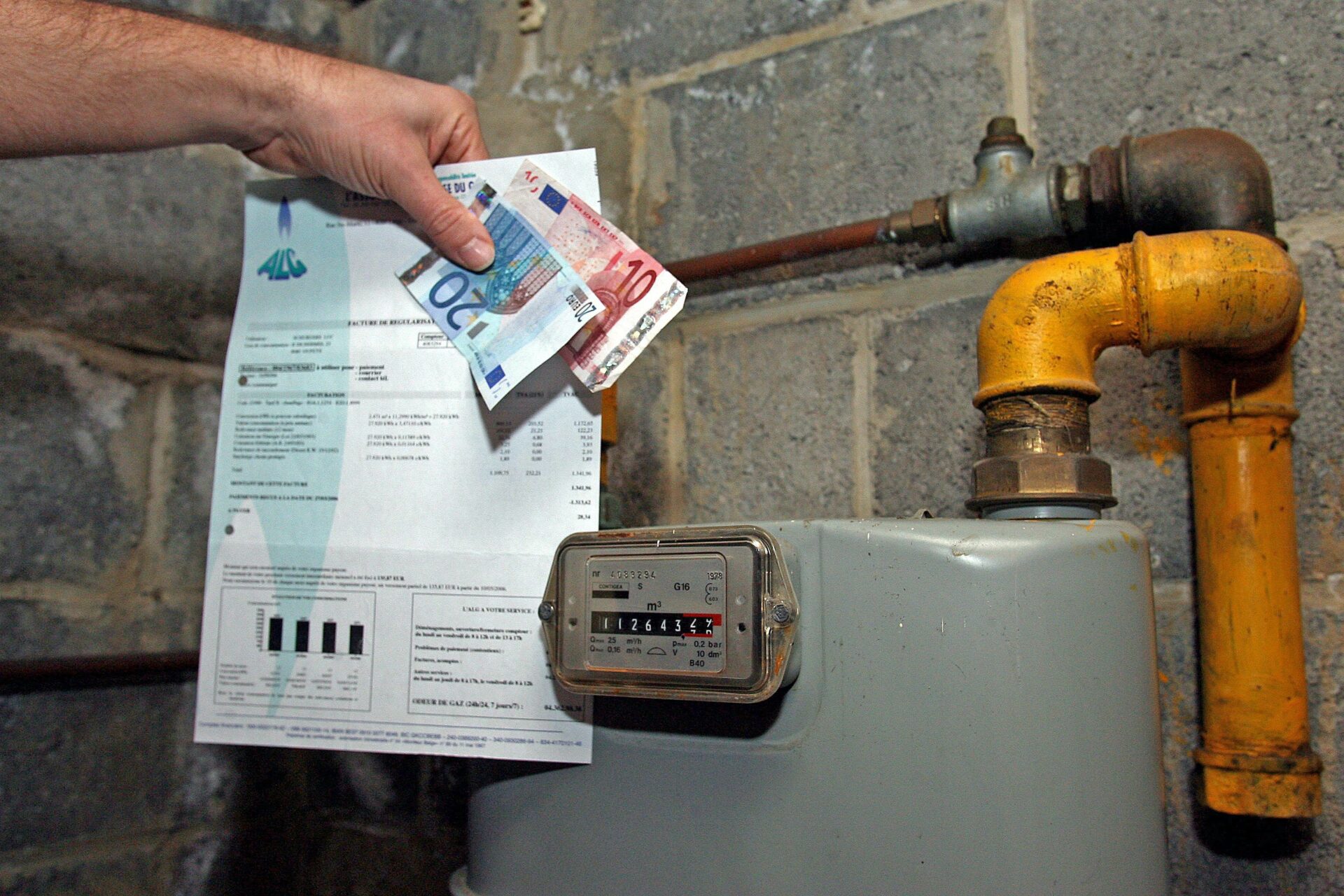
"To avoid a significantly higher or lower annual bill than estimated, you can adjust your advance payment," Clays said. "A digital meter will help you monitor your consumption. Some suppliers allow you to track your consumption in the app or on the website, using data from the digital meter or your own meter readings, and even allow you to adjust your advance payment based on this data."
Credit: Belga / Michel Krakowski
Suppliers can also propose such an adjustment (usually an increase) to the advance payment if they fear you will receive a large annual bill with the current advance payment. "You are entitled to object to this. But if you do not object within 15 days, the supplier has the right to proceed anyway."
Additionally, the Consumer Agreement for Energy – which is a code of conduct intended to protect you as a customer – requires suppliers to clearly explain how the advance payment amount is calculated before they actually charge it.
What if you can no longer afford it? Can your power be shut off?
If you have problems with the advance payments, or you receive a large annual bill, it is best to contact your supplier immediately. They can always grant a payment deferral or propose a payment plan.
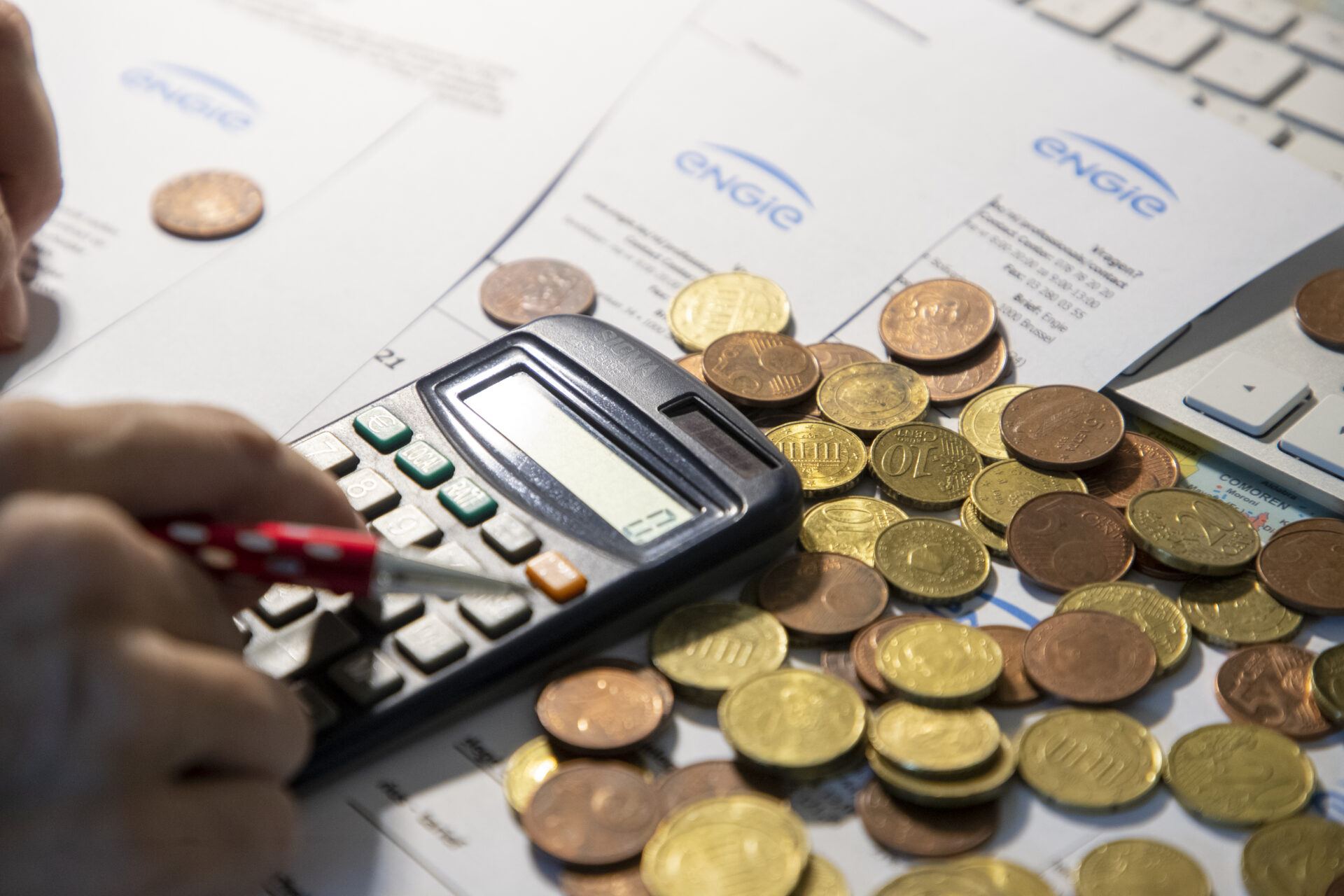
"For most suppliers, such a plan is free, so you do not have to pay any additional interest, although the terms and conditions, such as the maximum payment term, sometimes vary," Clays said. "If you do not seek a solution and stop paying your invoices, you will first receive a reminder letter."
Since the end of 2023, suppliers are only allowed to charge you if you have already received reminders for three different invoices in the same calendar year. Therefore, only from the fourth reminder onwards can your supplier charge a maximum of €7.50, plus processing/postal costs.
Credit: Belga/ Nicolas Maeterlinck
Those who are entitled to compensation or social assistance are also eligible for the social energy rate. This is a low rate set by the federal energy regulator, CREG. "It is generally automatically granted by your supplier if you meet the eligibility requirements," Clays said.
If you still do not pay, certain procedures will ensure you will not be left out in the cold. "In Brussels, if you do not pay your invoice after a reminder, a notice of default will follow. If you have not paid within seven days of receiving the notice of default, a reasonable payment plan will be proposed."
In this case, the supplier will inform the grid operator of its intention to initiate the procedure to terminate the supply contract and will also inform you that the Public Centre for Social Welfare (CPAS/OCMW) will be contacted if desired to facilitate a solution.
"If you are unable to pay the debt, you can apply for 'protected customer' status in Brussels if you meet the conditions," she explained. For example, your household income may not exceed a certain ceiling, although these ceilings were significantly increased in 2022, making more consumers eligible.
Credit: Unsplash Julian Hochgesang
This status protects consumers against the risk of disconnection and allows them to temporarily benefit from the social energy tariff. During this period, grid operator Sibelga will become their social supplier.
"This is a temporary measure intended to allow you to pay off your debt to your commercial supplier in the meantime based on a payment plan," Clays explained. "Once your debt is settled under the payment plan, your contract with your supplier will resume."
On top of that, a guaranteed supply for emergency situations applies in Brussels. This means that anyone who can no longer sign an energy contract with a commercial supplier or has debts with two suppliers can be supplied directly by grid operator Sibelga at the social tariff for one year.
This is a temporary solution (a 12-month renewable period) that can only be requested through CPAS/OCMW, which will conduct a social investigation to verify whether a consumer meets the conditions.
"In Brussels, a complete disconnection of electricity or gas is only possible with the approval of a Justice of the Peace, and is absolutely never permitted during the winter," she stressed.
