
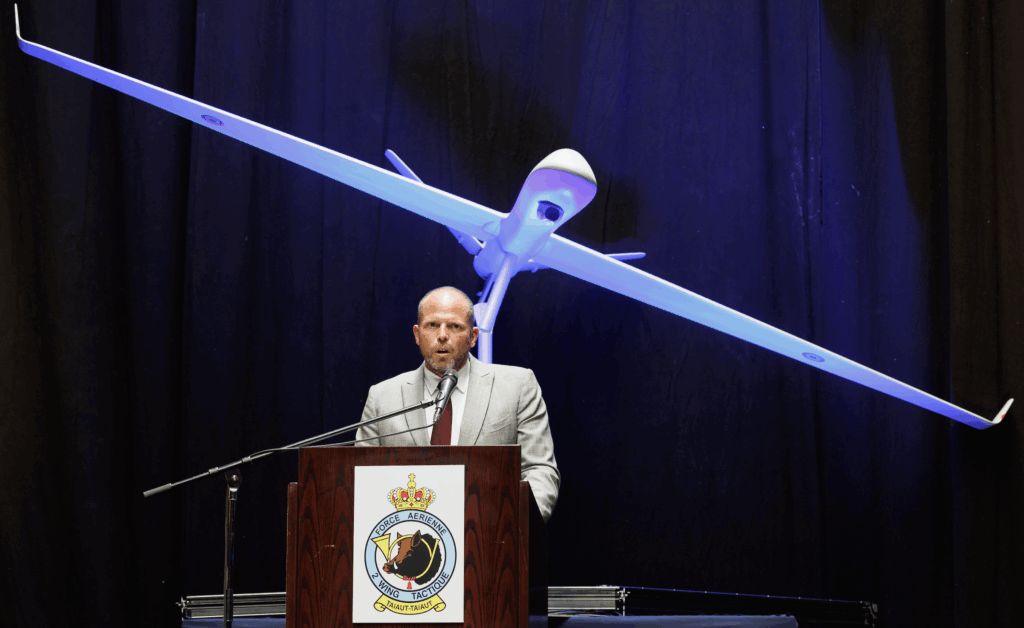
Belgium’s Defence Minister Theo Francken has urged faster action against drone intrusions, describing the situation as a military crisis during an economic mission in California.
Last week, local police in Belgium and Germany observed multiple drones flying over the Elsenborn military training ground in Belgium’s Eastern Cantons.
Similar drone activities have previously been reported in Poland, Estonia, and Germany, disrupting air traffic.
“This issue is present across Europe, so it’s no surprise Belgium is affected,” explained Defence Chief General Vansina, also in California with Francken.
He noted the disruptive impact of the drones and expressed unease over the lack of clarity about their origin. However, he highlighted NATO’s effective air defence systems, which can detect and neutralise drones when necessary.
In response, Belgium is accelerating a four-pronged defence strategy initially planned for 2026, according to General Van Strythem, Belgium’s first “drone general.”
Incidents will be more systematically reported and tracked. A partnership is being explored with Skeyes, the Belgian airspace surveillance agency, and its subsidiary Skeyesdrones.
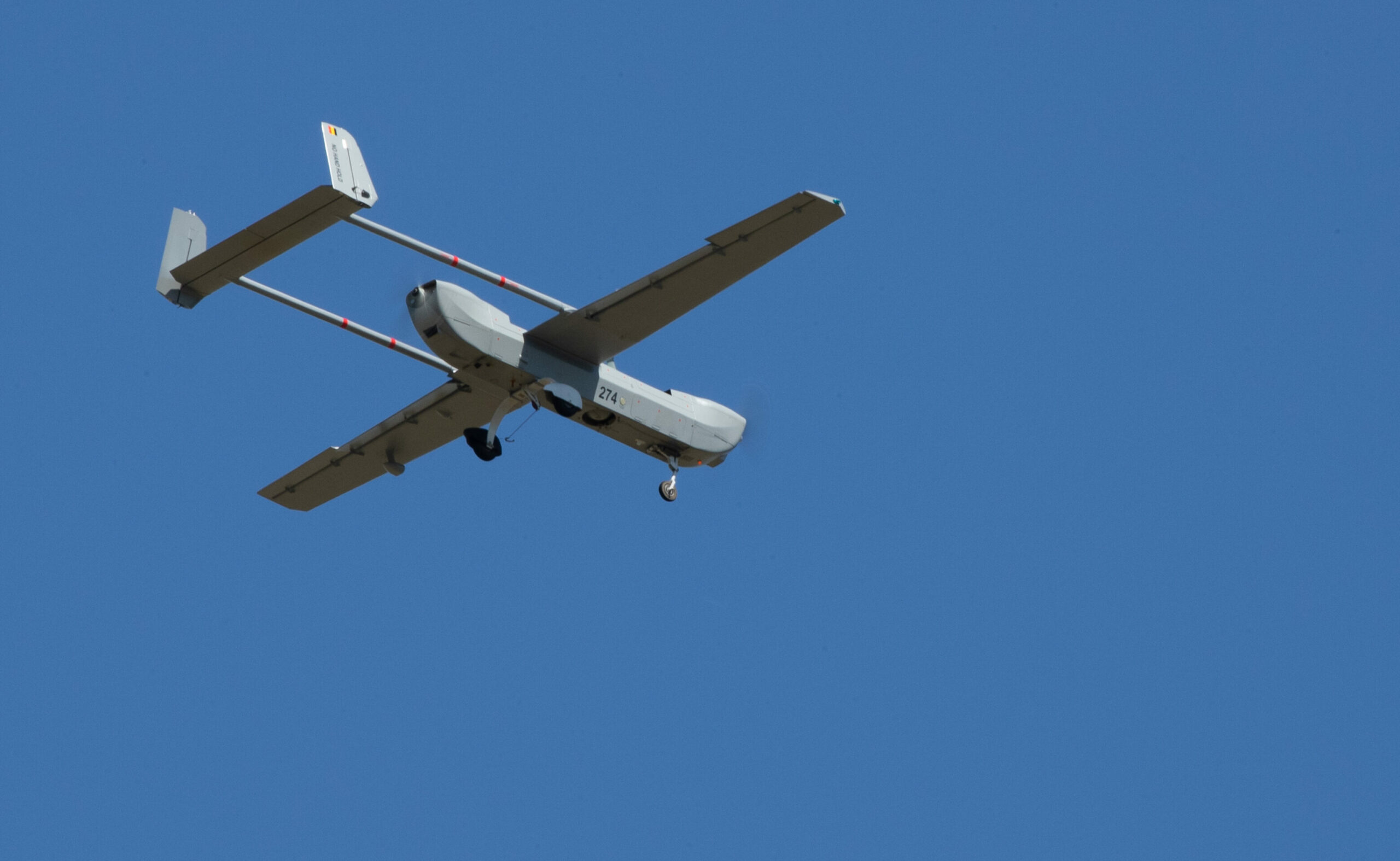
Illustrative image of a drone. Credit: Belga
Information from these efforts will feed into the Beauvechain control centre, following the model of maritime information hubs.
Most notably, Belgium plans to procure counter-drone systems for small and medium-sized drones weighing up to 600 kilograms.
"We have an action plan and a strategic vision approved by the government in July. But now we need to act faster, prioritise, and make purchases," added Francken, assuring that a budget is in place but not disclosing specifics.
For the immediate crisis, Belgium aims to acquire systems already available for delivery within three months. These will be deployed primarily on military sites, not borders.
"In peacetime, Defence is responsible for its sites. For example, at airports, it’s the police who intervene," clarified General Vansina.
The investigation into the Elsenborn incident is ongoing, according to the Defence Chief.
