
Around two-thirds of climate financing from developed to developing countries comes in the form of loans with interest, Oxfam warned in a report on Monday.
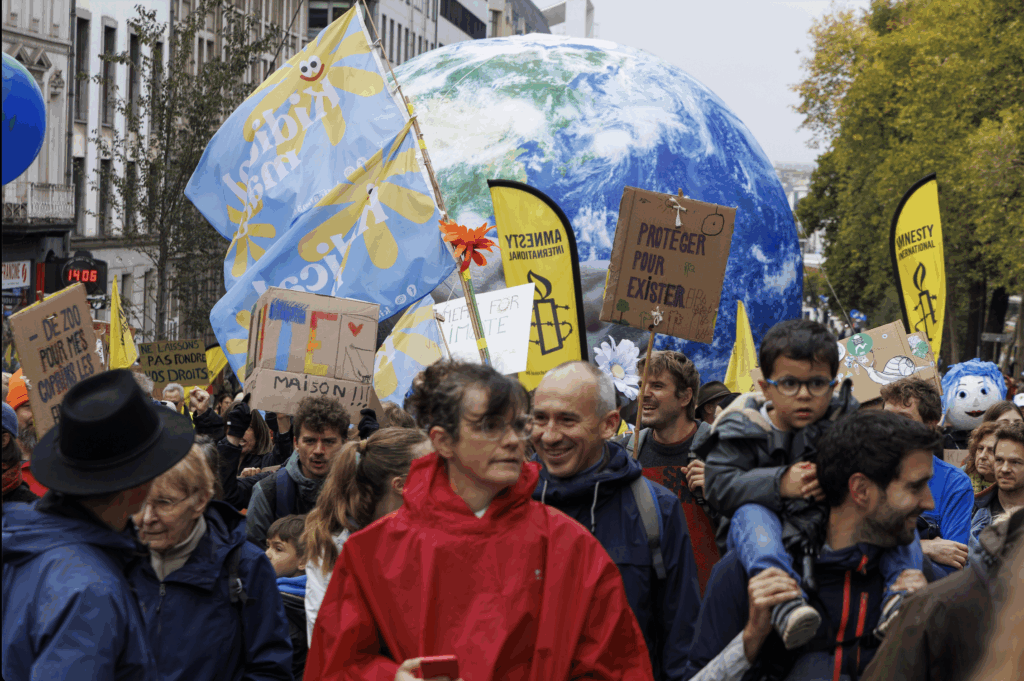
The international NGO has criticised wealthy nations for "profiting from the worsening climate crisis." It comes a day after thousands marched in Brussels calling for an end to subsidies for polluting industrial activities in Belgium and levy higher taxes on these companies.
Oxfam's study, conducted with the NGO CARE, revealed that of the $115.9 billion in climate financing provided and mobilised by developed nations for developing countries in 2022, roughly two-thirds consisted of loans.
Many of these loans, Oxfam stated, were issued “often at standard interest rates, without preferential terms.”
Oxfam highlighted that such lending adds to the mounting debt of low-income nations, which now stands at $3.3 trillion. It named France, Japan, and Italy among the primary contributors to this growing burden.
“Rich countries treat the climate crisis as a business opportunity rather than a moral responsibility,” said Nafkote Dabi, Oxfam’s climate policy lead. "They lend money to the same people they historically disadvantaged, trapping vulnerable nations in a cycle of debt. It’s profiteering from the crisis."
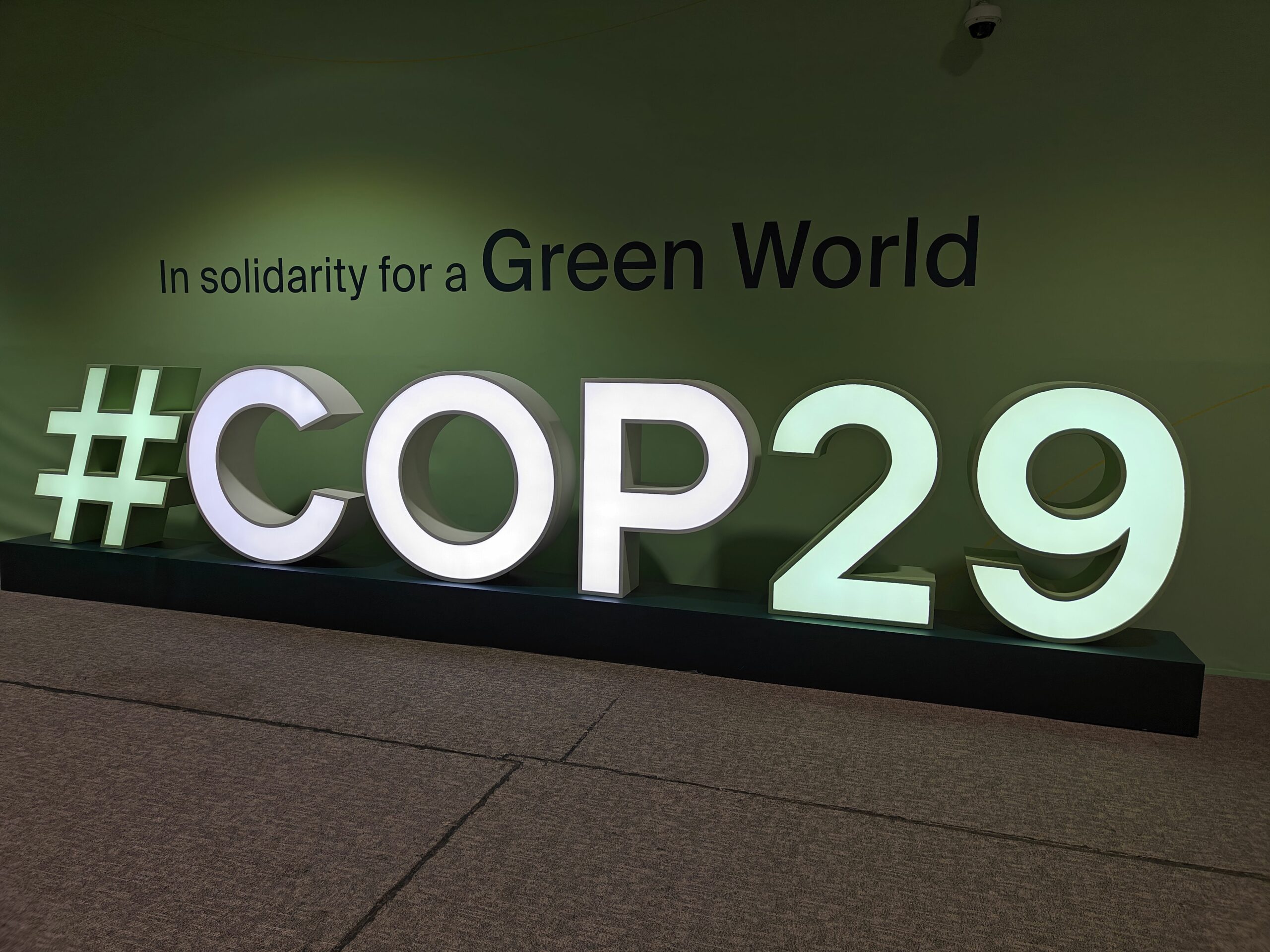
Last year's COP29 in Baku, Azerbaijan. Credit: Belga/Yoeri Maertens
With the 30th UN Climate Conference (COP30) set to take place in mid-November in Belém, Brazil, Oxfam has called on developed countries to fulfil their climate financing commitments.
These include delivering "the full $600 billion promised for the 2020-2025 period," clearly outlining "their plan to meet the $300 billion annual target," and advancing the "roadmap" for $1.3 trillion in annual financing from Baku to Belém.
At COP29 in Baku in late 2024, developed nations pledged to increase annual climate financing for developing nations to at least $300 billion by 2035.
This core goal was part of a broader appeal to “all actors” to work towards a target of at least $1.3 trillion per year by 2035, drawing funding from both public and private sources.
The 2015 Paris Climate Agreement had initially set a target for developed countries to provide $100 billion annually in climate financing to developing nations starting in 2020.
However, according to OECD data, this goal was only met in 2022, two years behind schedule.
