
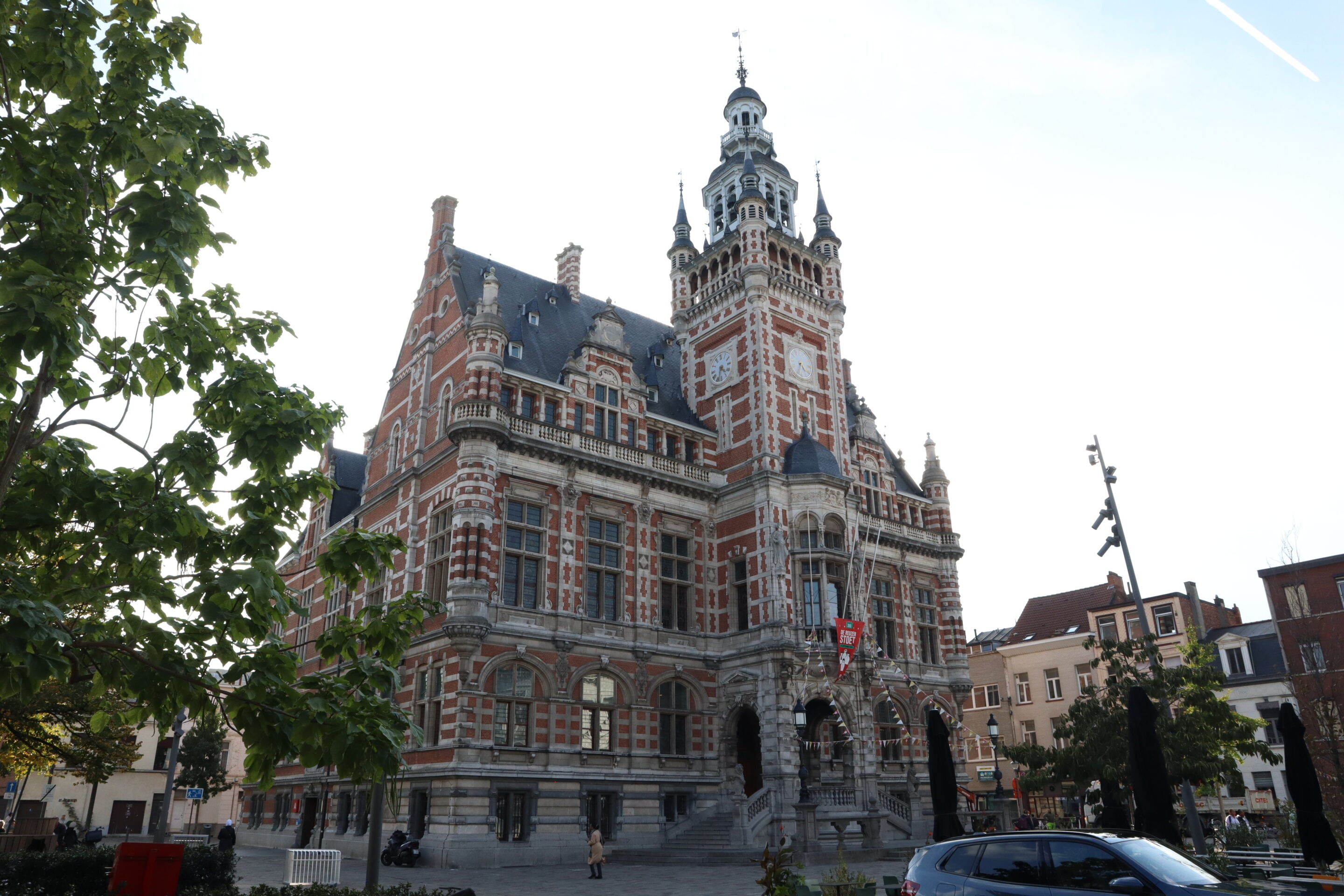
Time Out magazine recently named Antwerp’s Borgerhout as the “second coolest” neighbourhood in the world.
The magazine praised the area's vibrancy and "DIY spirit", describing it as a "compact, multicultural district is where Turkish and Moroccan grocers rub shoulders with vegan coffee bars, artist-run galleries, and leafy terraces".
This week, The Brussels Times decided to pay a visit to Borgerhout to see what all the fuss is about - and to find out what locals think of Time Out's assessment.
Eclectic mix of traditional and hip
Antwerp is the only municipality in Belgium divided into deelgementeen (sub-municipalities or districts) with limited administrative autonomy. Borgerhout is the second smallest of the city's districts, but also the densest, which leads some to call it the most 'urban' part of Antwerp.
Within Antwerp, Borgerhout has a mixed reputation. Back in the day, the derogatory term Borgerrokko was often used to describe it - a nod to the neighbourhood's large Moroccan community. In 2025, the city of Antwerp reported that about two thirds (64.6%) of the district's inhabitants had at least one parent with a foreign nationality.
Today, this name has almost faded out of existence, making way for a new monicker: 'BoHo'. This rebranding reflects the significant changes taking place in the district. Many locals note Borgerhout is facing a slow, but very noticeable gentrification. An influx of wealthier residents and bohemians is slowly changing the urban fabric.
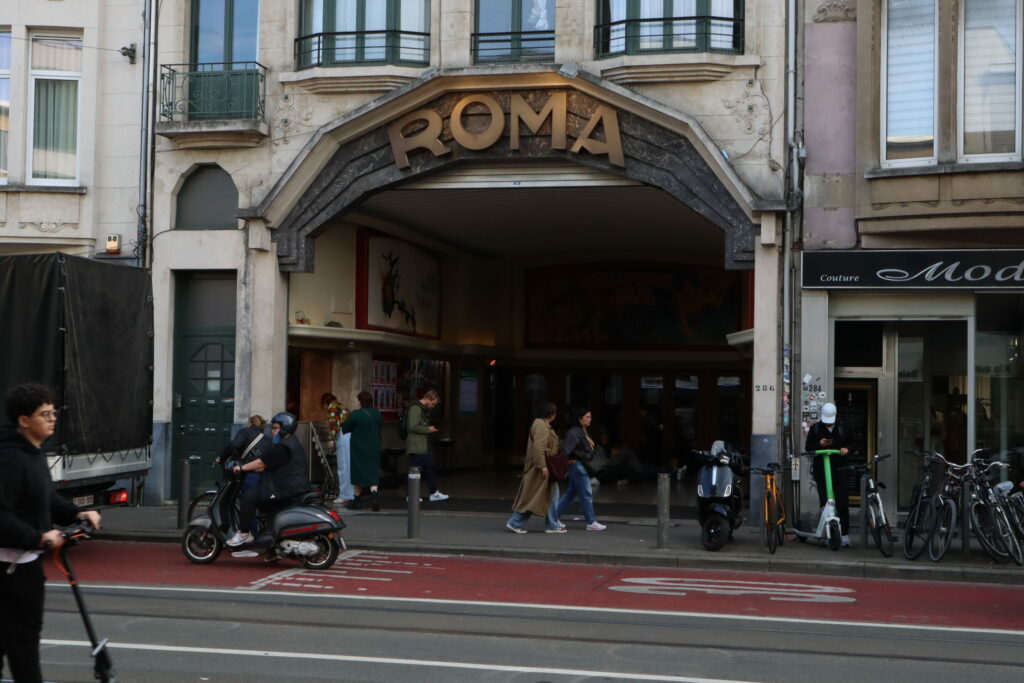
De Roma, a famous event hall located in a restored historic cinema. Credit: Kosmos Khoroshavin / The Brussels Times
This phenomenon has turned BoHo into an eclectic mix of the traditional and the trendy. As described in Time Out magazine, Moroccan bakeries sit alongside hip vegan cafes, all in one district.
Borgerhout has lots of good bars with nice terraces such as Bar Leon, Bakeliet, Mombasa or Plaza Real. It also has its own brewery, several galleries, and three concert halls, including the legendary De Roma. There are coffee shops, bakeries and a well-liked frituur (chip seller) called Tina.
Rien, a young woman from Antwerp’s Zuid neighbourhood (which has a reputation for being rather posh), is one of the many people moving to Borgerhout, attracted by the area's vibrant atmosphere.
“It’s a really lively neighbourhood. Here in the city everything moves so fast – it changes too quickly. I sometimes miss a bit of connection. I think in Borgerhout, because of the blending of cultures, that feeling is quite different,” Rien told The Brussels Times.
Why Borgerhout?
When determining its rankings, Time Out compared neighbourhoods using the following criteria: culture, community, liveability, nightlife, food and drink, street life and that hard-to-define sense of ‘nowness’. It seems Borgerhout ticks all of the boxes.
There are other neighbourhoods in Antwerp that could compete with Borgerhout in the coolness department. Among them are the aforementioned Zuid, as well as Sint-Andries – a fashion hub in the city centre full of vintage shops - and Eilandje with its fancy bistros and waterfront restaurants.
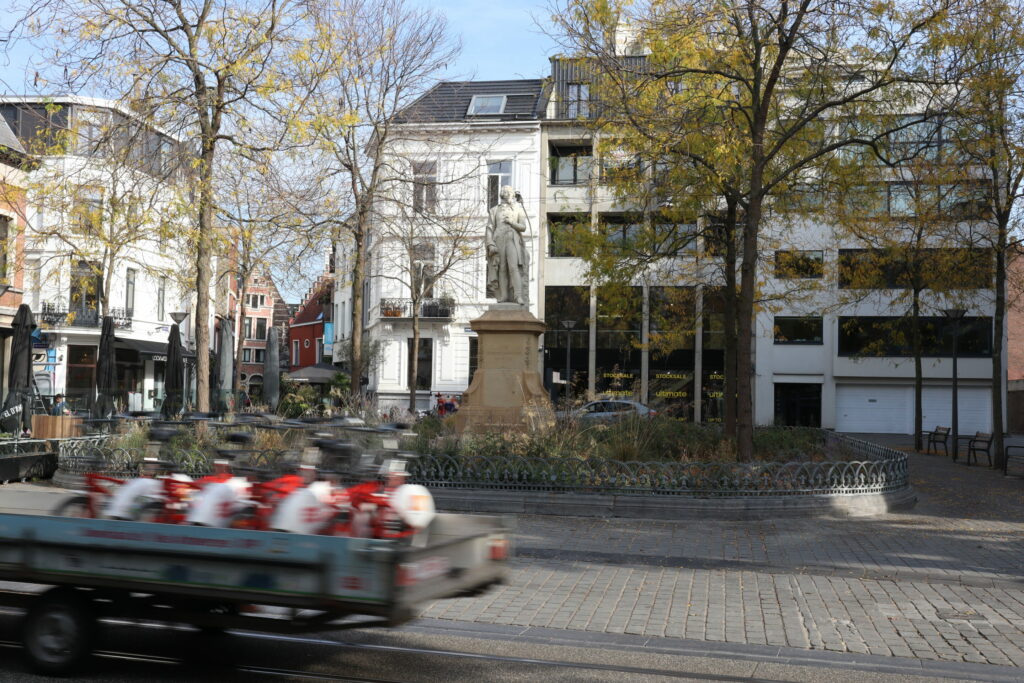
Sint-Andries, a hip neighbourhood in Antwerp's city center. Credit: Kosmos Khoroshavin / The Brussels Times
But there are reasons why these neighbourhoods didn’t make the cut. Central neighbourhoods are becoming less attractive for a variety of reasons - including, it seems, for their blandness. As Rien describes it:“Here, in the centre, everything feels a bit flat – flatly hip, if I can put it that way. And over there, there’s still some challenge left, something to discover for yourself.”
Most importantly, the cost of living centrally has priced out most bohemians and creative types, who have been forced to look at cheaper places like Borgerhout.
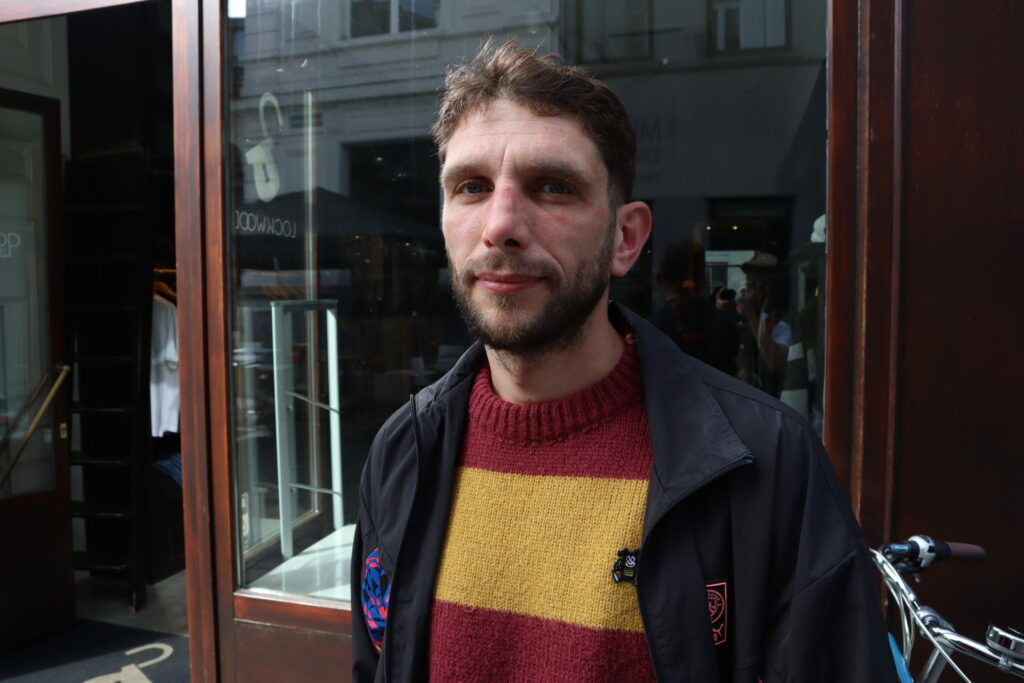
Max. Credit: Kosmos Khoroshavin / The Brussels Times
“There are a lot of young people and families moving into the neighbourhood today. It is also really cheap – that’s a great plus. It is really cozy and to this day Borgerhout remains a hip neighbourhood with a lot of interesting things to do,” said Max, who lived in Borgerhout for 20 years.
What’s the catch?
Despite all of the positivity around BoHo’s culture, the picture is far from perfect, and it has long been associated with criminality. Publicly available crime statistics cover Antwerp city as a whole, not by districts. This makes it harder to get an accurate picture of the situation in Borgerhout, but many locals complain about vandalism, harassment, theft and insalubrity.
Perhaps the biggest problem the neighbourhood faces relates to drug-dealing and drug-related violence. Back in 2018, VRT reported that both police and public safety department acknowledged “significant illegal activity” in the area.
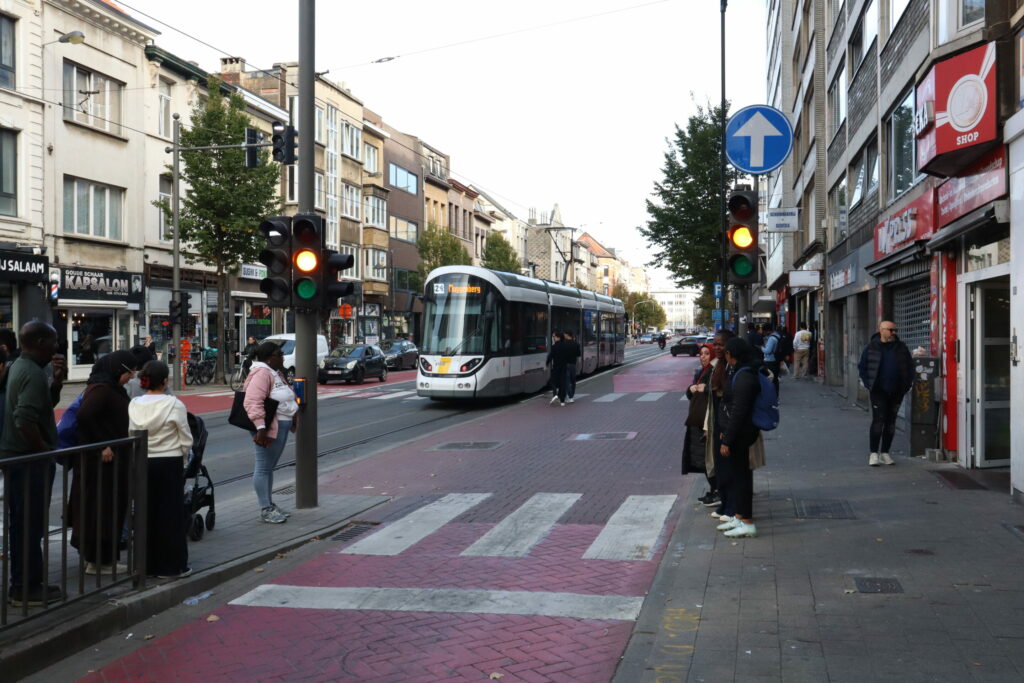
Turnhoutse baan. Credit: Kosmos Khoroshavin / The Brussels Times
Borgerhout is known to have a particular problem with 'door-bombing' - a practice whereby drug-traffickers throw homemade firebombs at building facades as part of turf wars, often leading to innocent people being targeted.
At the same time, residents acknowledge that in most respects, life in their neighbourhood has transformed in recent years.
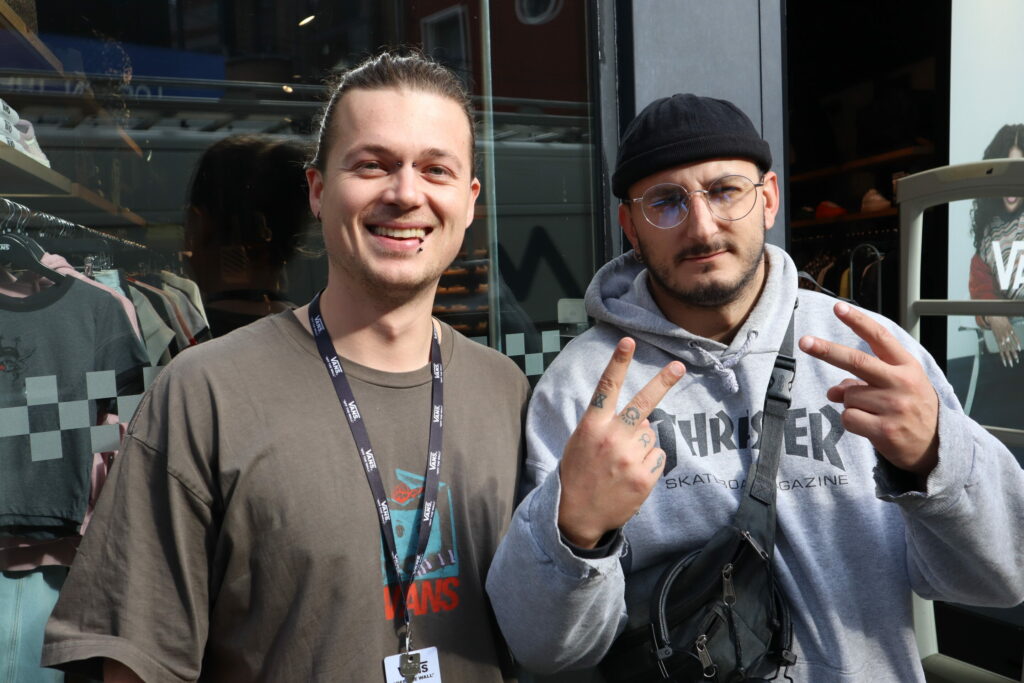
Dries and Max. Credit: Kosmos Khoroshavin / The Brussels Times
Max, a former resident of Borgerhout, told us: “The city of Antwerp really makes an effort to give that neighbourhood a bit of a facelift, so to speak – to bring some new life into it. Today, I wouldn’t say there’s more crime in Borgerhout than elsewhere in Antwerp.
"And because it’s cheaper to live in than other parts of the city, you see more young families. They've found a new place to live there with their kids.”
Mohammed, who has lived in the area for 27 years, shared a similar story. “There used to be a lot more crime ten or fifteen years ago, but now it’s much calmer," he said. "Sometimes you still have it here and there, young people, maybe drugs or something, but I don’t hear about it personally.”
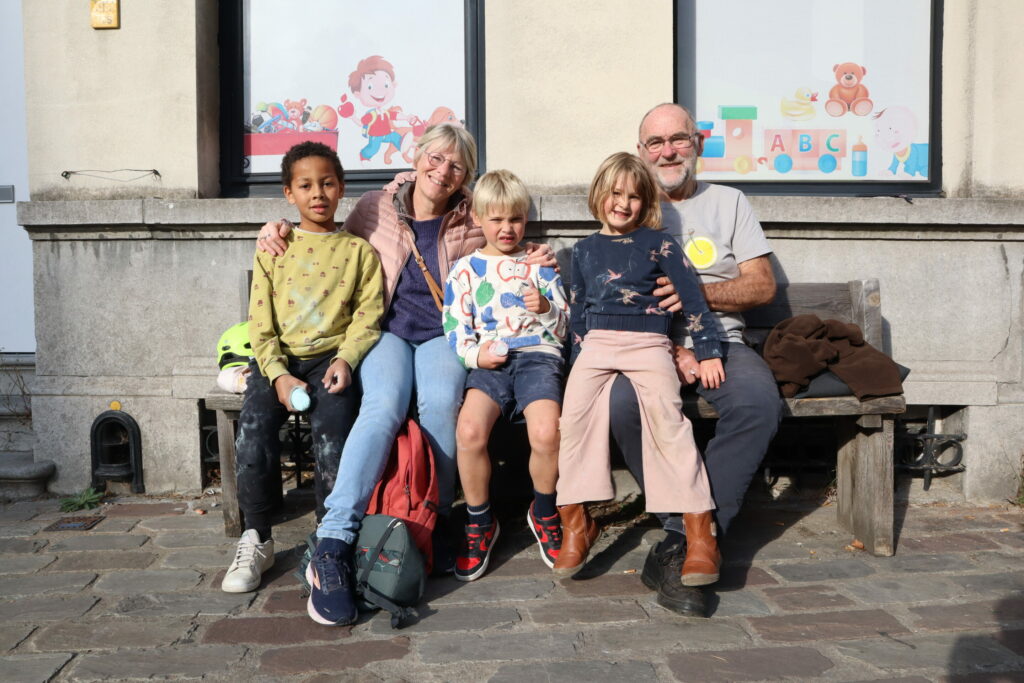
Rik and Magda with their grandchildren and their friend. Credit: Kosmos Khoroshavin / The Brussels Times
Rik and Magda are an elderly couple. While they do not live in Borgerhout themselves, their daughter and grandchildren do. They come from the Antwerp’s suburb of Schilde, wealthy and Flemish to its core, with high support for nationalist parties.
“Where we live everyone is afraid of Borgerhout. If you tell someone you are going there, they will be shocked,” said Magda. “We never felt unsafe here, it’s a great place that shows that co-existence of different people can work if you are willing to open your mind to it.”
They fondly recall the neighbourhood's gathering of 7,000 Christians and Muslims around a 2km table to share a meal together during Ramadan and Easter.
Second coolest neighbourhood in the world
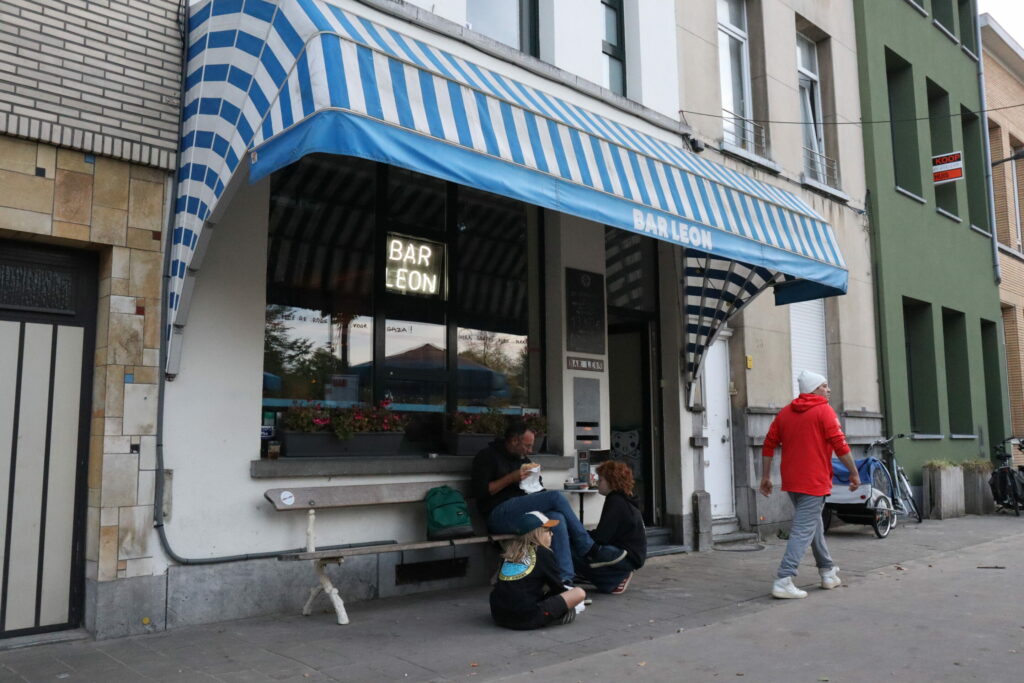
Bar Leon, an important place for the local community mentioned in the original Time Out article. The barwoman told us she thinks Borgerhout deserves its spot as the second coolest neighbourhood in the world. Credit: Kosmos Khoroshavin / The Brussels Times
It is hard to give a definitive answer as to whether Borgerhout really is the second coolest neighbourhood in the world, but it certainly is in the eyes of its residents.
BoHo is quite different from the more well-known districts in Antwerp's city centre, and Time Out's ranking might inspire more visitors to take a day out to experience its youthful and creative energy.
