
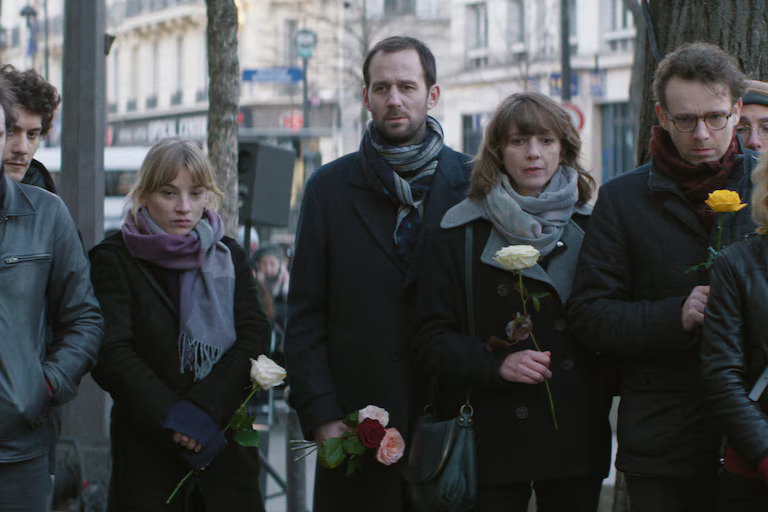
Nearly ten years after the 13 November 2015 Bataclan terror attack in Paris, a controversy surrounding the France 2 series Des vivants (The Living) has rekindled the pain of survivors - but unexpectedly led to reconciliation rather than resentment.
On Monday evening, France 2 aired the first of eight episodes of the mini-series Des vivants (The Living), in the run-up to the 10th anniversary of the coordinated spate of mass shootings and suicide bombings in the French capital, which left 130 people dead and more than 490 injured.
The series revolves around the seven men and women trying to rebuild their lives after Islamist gunmen held them hostage in the Bataclan theatre. The terrorists forced them to watch as they carried on killing and threatened to shoot them if they moved.
Almost a decade later, Jean-Xavier de Lestrade, the Oscar-winning director of the series, told The Guardian that the hostages on whose story the eight-part docudrama was based wanted their ordeal recreated inside the building, and that filming it elsewhere would have been "trickery".
But the problem remained in the "artistic choice" that de Lestrade made, speaking to The Brussels Times, Arthur Dénouveaux, president of Life for Paris, the largest association representing victims of the 13 November 2015 attacks, initially described the choice to film in the walls of the Bataclan as "deeply troubling".
"The Bataclan should be a place of memory, not a place where tragedy is re-enacted. Filming concerts or music videos there, that's perfectly fine. But recreating the massacre itself in those very walls? That's morbid," he said.
Dénouveaux himself was in the pit of the Bataclan concert hall, from which he managed to escape through one of the emergency exits.
During his escape, he helped members of the band Eagles of Death Metal, who had been performing on stage that night. The band's singer, Jesse Hughes, recounted the scene during the trial of the November 13 attacks: "An angel named Arthur put us in a taxi and sent us to the police station."
What was particularly disturbing was that the families of the victims had not been consulted before a scene depicting a memorial reading of their names was included. "Some relatives told me they were shocked to hear the names of their husbands or fathers without warning. They weren't ready for that," he said at the time.
Yet the tone has shifted after The Brussels Times tried to reach de Lestrade. Not wanting the controversy to get out of hand, Dénouveaux confirmed that the docudrama director personally reached out to him, leading to what he described as "a calm and honest conversation."
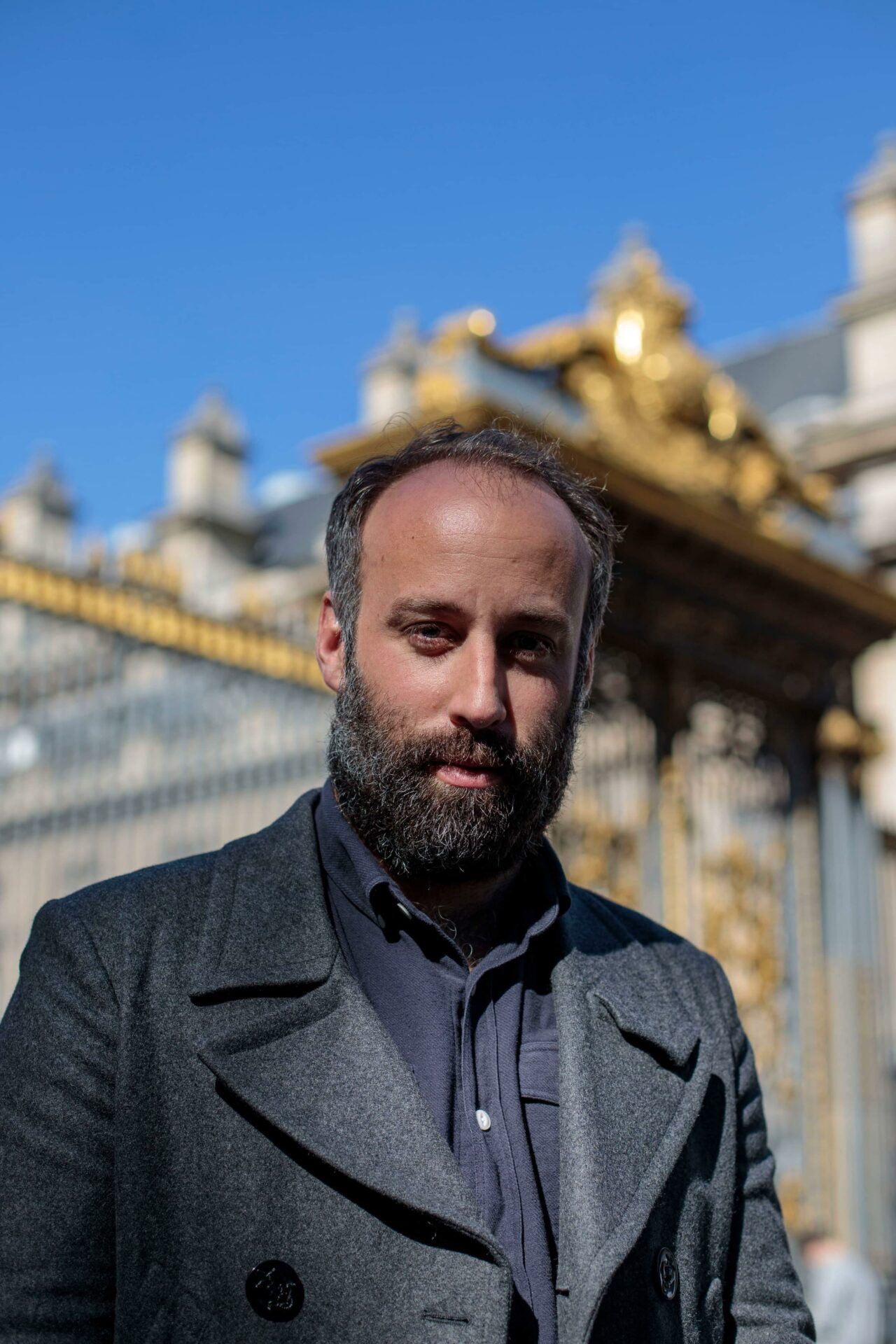
Arthur Dénouveaux. Credit David Fritz-Goeppinger
"We've spoken," Dénouveaux said. "We cleared the air. The misunderstanding has been put behind us. We both agreed that the focus now should be on the tenth commemoration of the Bataclan attacks, and on keeping the memory of the victims alive."
Docudrama that honours survivors
De Lestrade, who won an Oscar for best documentary for Murder on a Sunday Morning in 2001 and is an executive producer for the TV series Sin City Law, told the Guardian he had thought long and hard about filming in the Bataclan but had been persuaded it was necessary by the seven survivors.
He still maintains that fiction and commemoration should remain distinct. "I continue to believe that the Bataclan shouldn't become a stage set for its own trauma. But I also recognise that Des Vivants is a moving and respectful work. It honours the survivors and what they went through."
The reconciliation comes at a time when France is preparing for large-scale commemorations marking a decade since the 2015 Paris attacks.
"Our priority is to bring people together," Dénouveaux said. "There's still a lot of pain, but there's also resilience. The aim now is to focus on remembrance, not division."
