
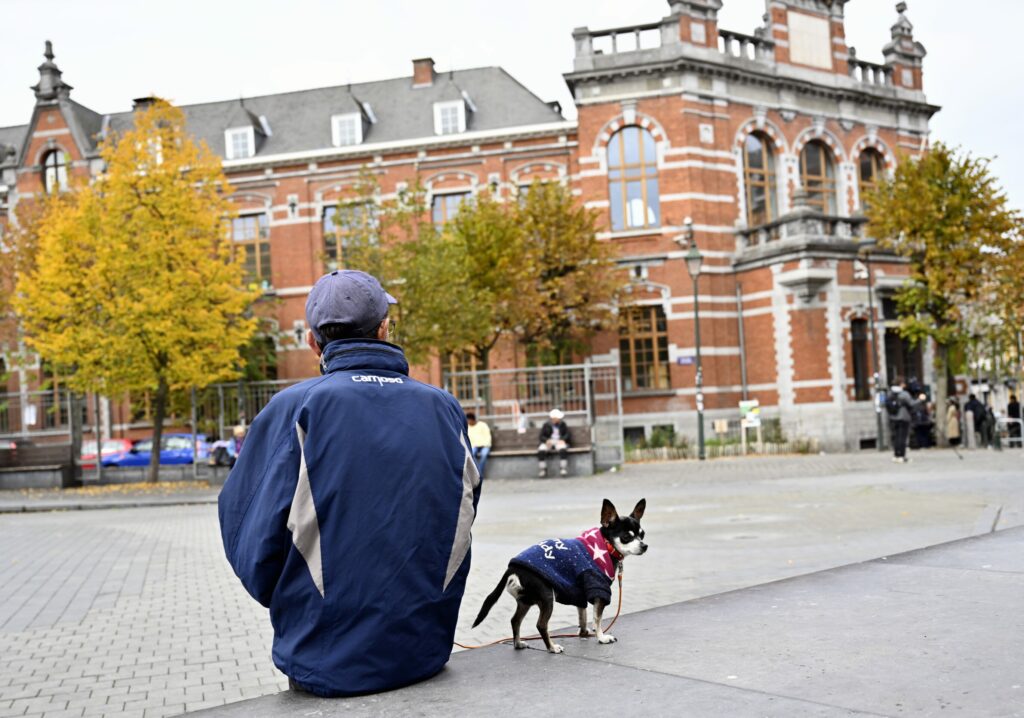
The Belgian capital continues to grapple with violent drug trafficking as it considers a ban on e-scooters in designated ‘drug hotspots’, while also targeting consumers with fines.
As many as 25 drug-related shootings were carried out with the help of an e-scooter in Brussels this year, according to the Brussels Public Prosecutor Julien Moinil. He is urging Brussels mayors to ban their use in areas identified as key drug trafficking areas.
"The sales and trafficking of drugs by suspects travelling on these scooters are very high, with drug deliveries taking place on scooters," he recently told the Conference of Mayors. This means of transport allows people to commit offences and then quickly escape into "the maze of traffic", he said in comments later reported by DH.
He criticised the possibility of renting these vehicles with third-party names, which he says "greatly complicates" the work of the authorities in tracking them down.
Moreover, Moinil also says that private scooters, i.e. not on shared mobility services, are also a problem, as they often violate existing rules, such as the modification speeds of up to 80km/h, as well as travelling with a passenger.
Mayors split on ban
The Brussels Public Prosecutor wants a region-wide ban on shared e-scooters in Brussels, as seen in Paris and Madrid.
However, Moinil does not want this ban to affect all users of "soft mobility" such as shared bicycles, which he says are not affected by the same issues with crime.
On Wednesday, Brussels mayors will discuss setting up a 'working group' to evaluate banning e-scooters in the Belgian capital's designated drug hotspots.
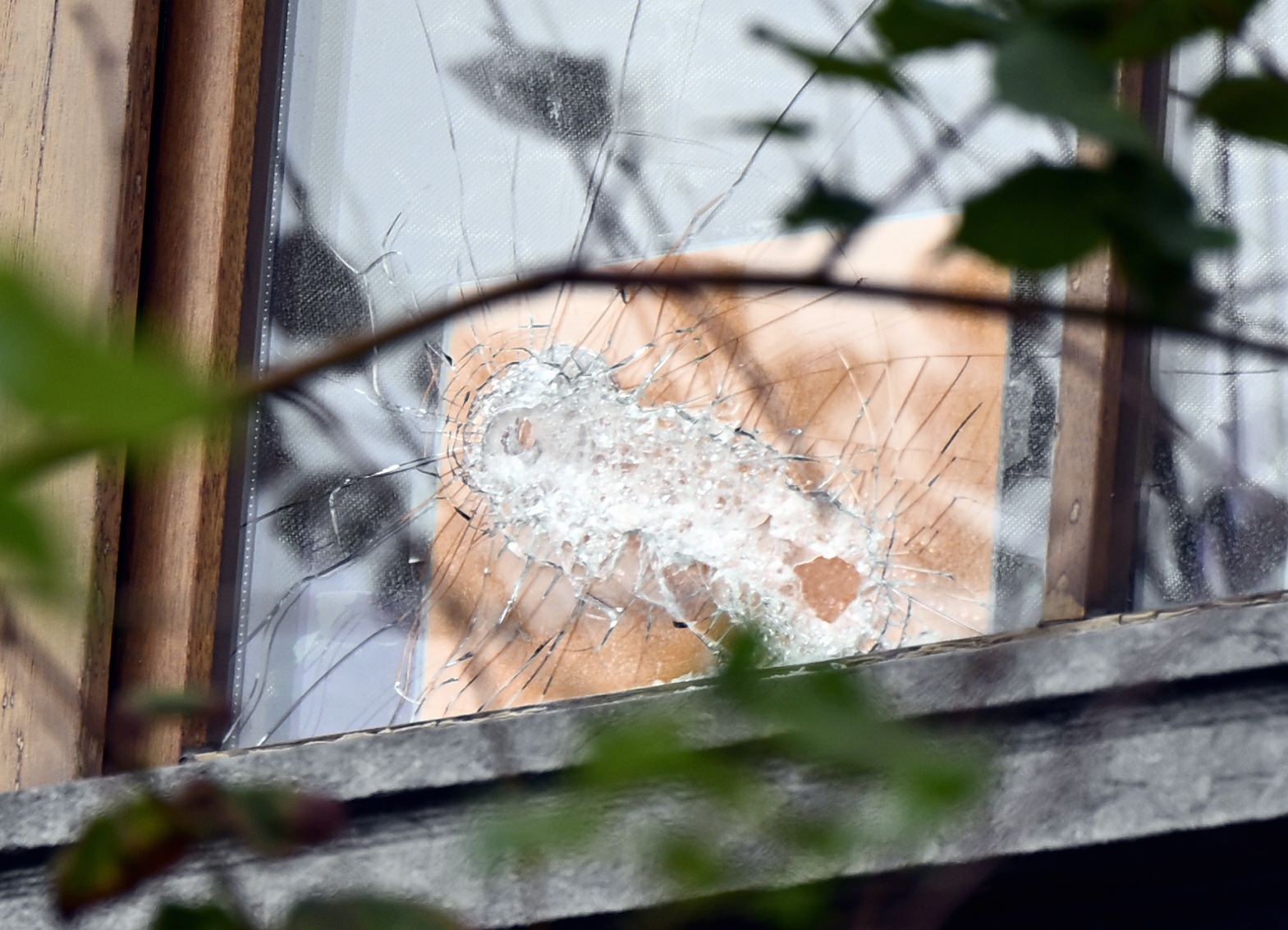
Earlier this month, another shooting took place in Place Bethléem, Saint-Gilles, where a bullet lodged in the frame of a school window. Credit: Belga/Eric Lalmand
The chair of the Conference of Brussels Mayors, Benoît Cerexhe (Les Engagés), who is also the Mayor of Woluwe-Saint-Pierre, told VRT that he is not in favour of a ban in certain areas at specific times (i.e. in the evening and/or at night).
On the other hand, Saint-Gilles Mayor Jean Spinette (PS) expressed stronger support for a ban in an interview with BX1, but was more hesitant about limiting the use of private scooters. He does, however, think they should be registered.
Consumers now targeted
As part of their war on drugs, police are also increasingly targeting consumers with on-the-spot fines, according to a report in Bruzz. These are more commonplace in Brussels compared to other Belgian regions, due to administrative pressures and judicial backlogs.
Since the Public Prosecutor called on police to start targeting consumers, over 2,000 fines have been issued to members of the public found in possession of drugs. However, this data also includes festivals, rather than just drug hotspots.
The fines are referred to as "amicable settlements", where a user found with drugs during a stop-and-search has to pay an on-the-spot fine to police officers, usually through a QR code or card reader.
People caught with cocaine, LSD and ecstasy can pay up to €300, while people caught with softer drugs like cannabis risk a €75 fine. If an individual is caught with an assortment of drugs, they can pay up to €500. Any larger amounts, however, require a regular police report.
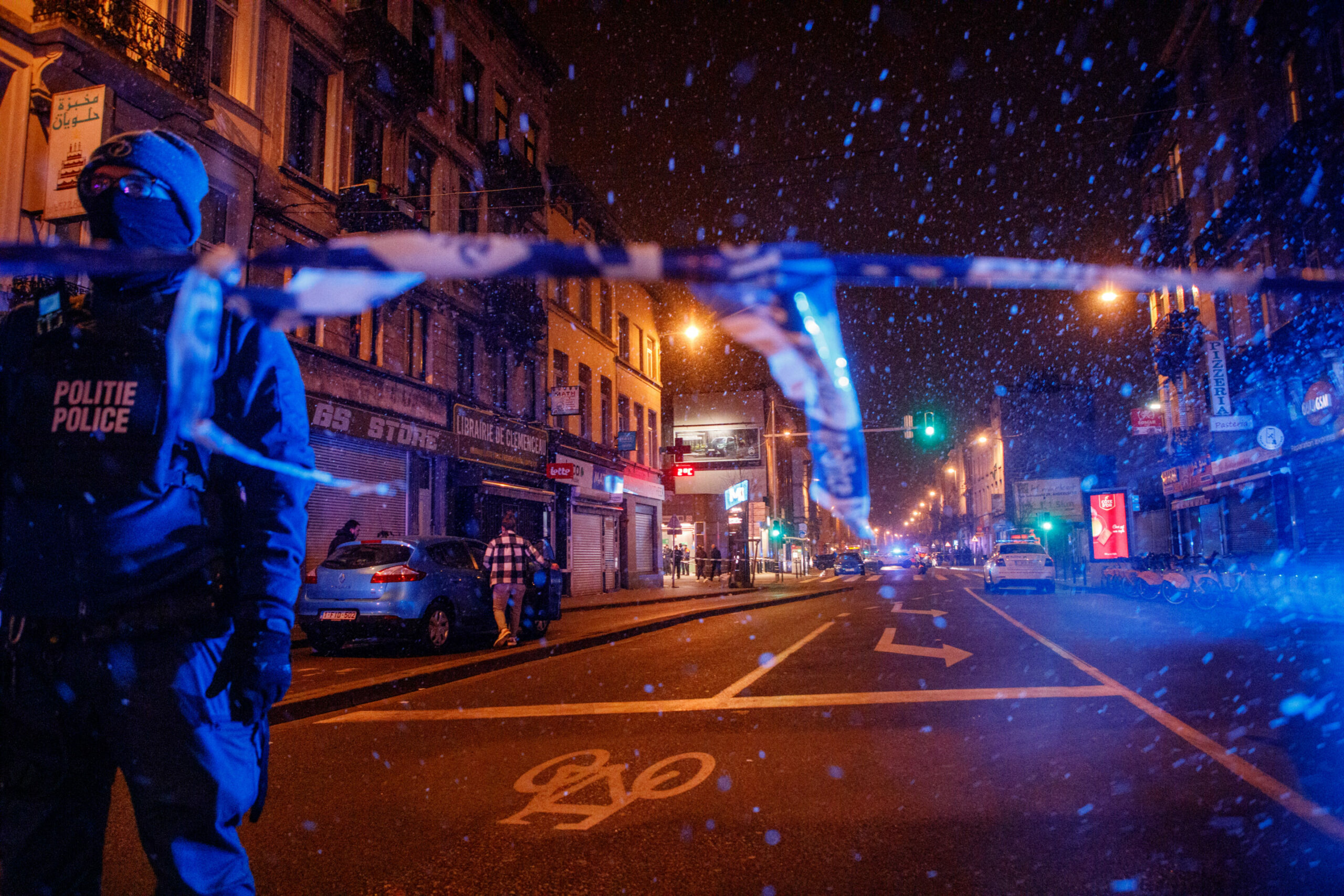
A police officer and a large security perimeter pictured near the Clemenceau metro station, after a shooting this evening, Saturday 15 February 2025 in Cureghem. Credit: Belga / Hatim Kaghat
Users were fined the most by the Brussels-Capital/Ixelles zone (over 1,400), followed by the Midi zone, including both Anderlecht and Saint-Gilles (558), whereas the North and West zones issued 278 and 204 fines respectively, according to data requested by Bruzz.
With some 80 shootings, mostly drug-related, this year, the Brussels hotspot strategy – launched in 2024 – has been controversial, with some questioning its efficacy while others have even called it a PR stunt.
Many argue that these designated hotspots fail to deal with the source of the problem: the powerful organised crime networks that traffic drugs into the country, most notably through the Port of Antwerp.
Related News
- 'Bizarre and illogical': Military rejects call to deploy army in Brussels drug hotspots
- When will the sun shine on Brussels-Midi station?
- Shots fired at home in Brussels overnight
- Police struggling with resources after Molenbeek's summer of gun violence
- Interior Minister Quintin: troops on the streets of Brussels by end of year
