
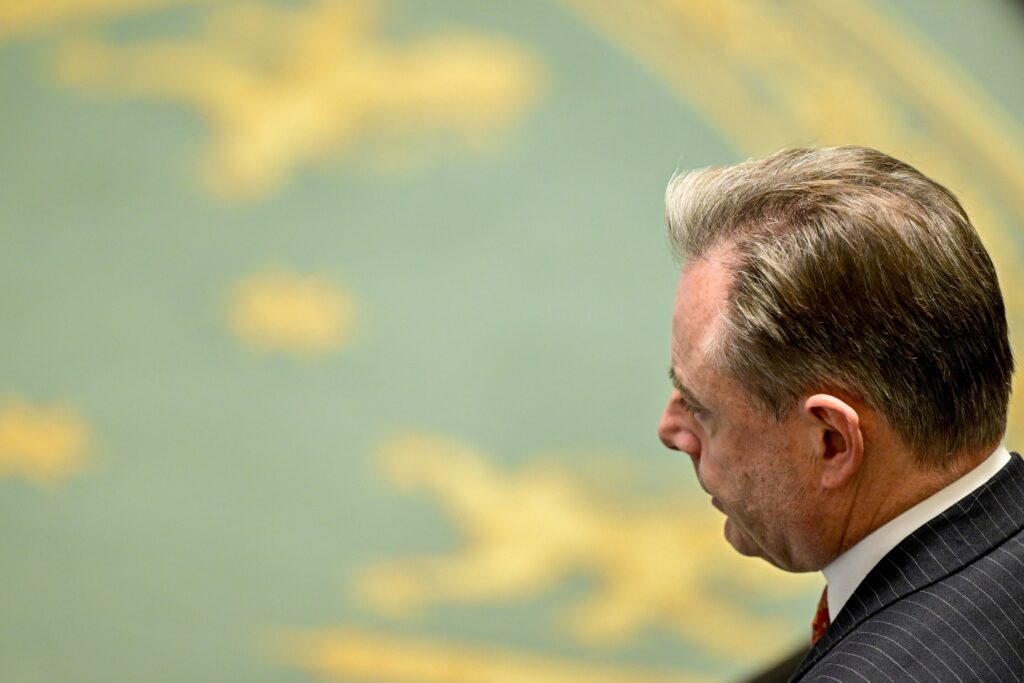
Belgium has reiterated that using frozen Russian assets to fund Ukraine’s recovery is not an option under the current conditions, Prime Minister Bart De Wever said on Wednesday.
The prime minister told VTM Nieuws that he cannot imagine the European Commission confiscating assets from a private company, Euroclear, against the will of a member state. He called such a move unprecedented.
European Commission President Ursula von der Leyen and Economy Commissioner Valdis Dombrovskis held a press conference on Wednesday to discuss Ukraine’s financial needs for 2026 and 2027.
According to documents seen by Politico, a €165 billion reparations loan is being prepared. It reportedly includes €25 billion of immobilised Russian state assets held in private bank accounts inside the EU, in addition to €140 billion held in the Euroclear bank in Belgium.
Belgium’s Foreign Minister Maxime Prévot had already expressed concerns about the plan earlier on Wednesday, stating it did not address the country’s worries.
Prime Minister De Wever reinforced this stance, emphasising that the proposal remained untenable under current conditions.
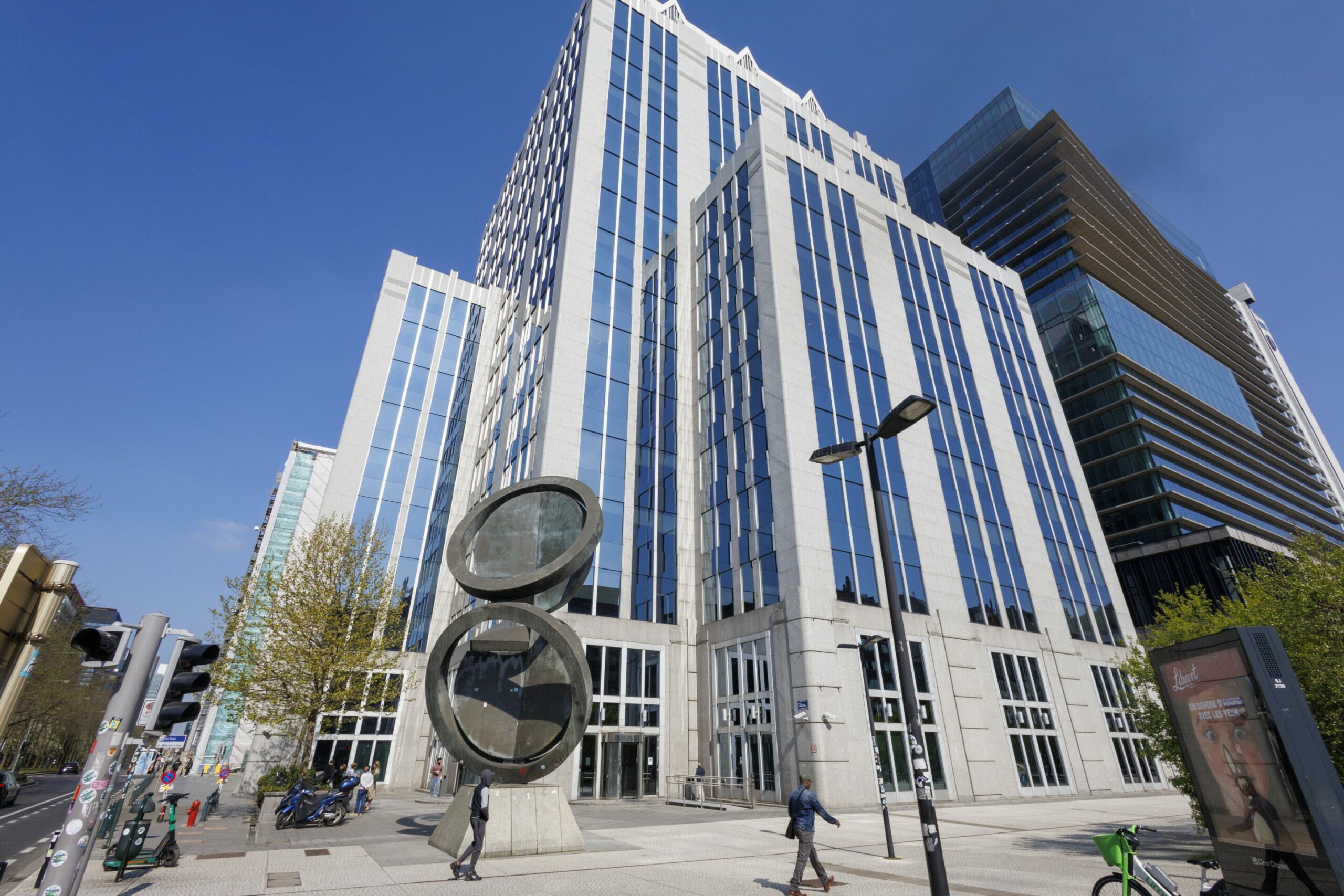
The headquarters of the Euroclear Group financial institute in Brussels, Wednesday 09 April 2025. Credit: Nicolas Maeterlinck/Belga
While De Wever appears isolated in his opposition, he argues this is not the case. He stated that many countries are remaining silent, but he believes Belgium’s concerns are rational and reasonable, even if they have yet to be addressed.
European leaders are scheduled to make a final decision on Ukraine’s financing at the summit on 18 December. De Wever noted that this leaves two weeks for further discussions, a significant amount of time in politics.
However, he stressed Belgium’s conditions remain unchanged and categorically refused to bear financial risks amounting to hundreds of billions of euros.
The prime minister urged other EU countries to take collective responsibility by sharing the burden of risk, calling on them to honour their commitments. He also reaffirmed Belgium’s commitment to being a loyal EU partner if its terms are met.
New EC proposals
On Wednesday, the European Commission announced its plans to ensure funding for Ukraine through 2026 and 2027.
It presented its legal texts outlining the controversial plans to use frozen Russian assets and enable joint loans to finance Ukraine's needs.
Commission President Ursula von der Leyen stated that the EU aims to cover two-thirds of Ukraine’s financial requirements, amounting to approximately €90 billion. The remaining funding is expected to come from international partners.
Earlier, the Commission considered three options: utilising frozen Russian assets, issuing joint EU bonds on European markets, and bilateral contributions from member states.
The final proposals focus on using Russian assets and issuing joint loans guaranteed by the EU budget. Both plans include safeguards to protect member states and financial institutions from potential Russian retaliation.
Von der Leyen emphasised that securing funding is vital for Ukraine’s defence and future peace negotiations. The measures are designed to increase pressure on Russia to engage in talks.
The Commission supports using frozen Russian assets as a key element of its plan. "We propose creating a system to utilise the cash from blocked assets within the EU," said Von der Leyen, adding that this strategy will further increase the cost of Russia's war and incentivise peace negotiations.
