
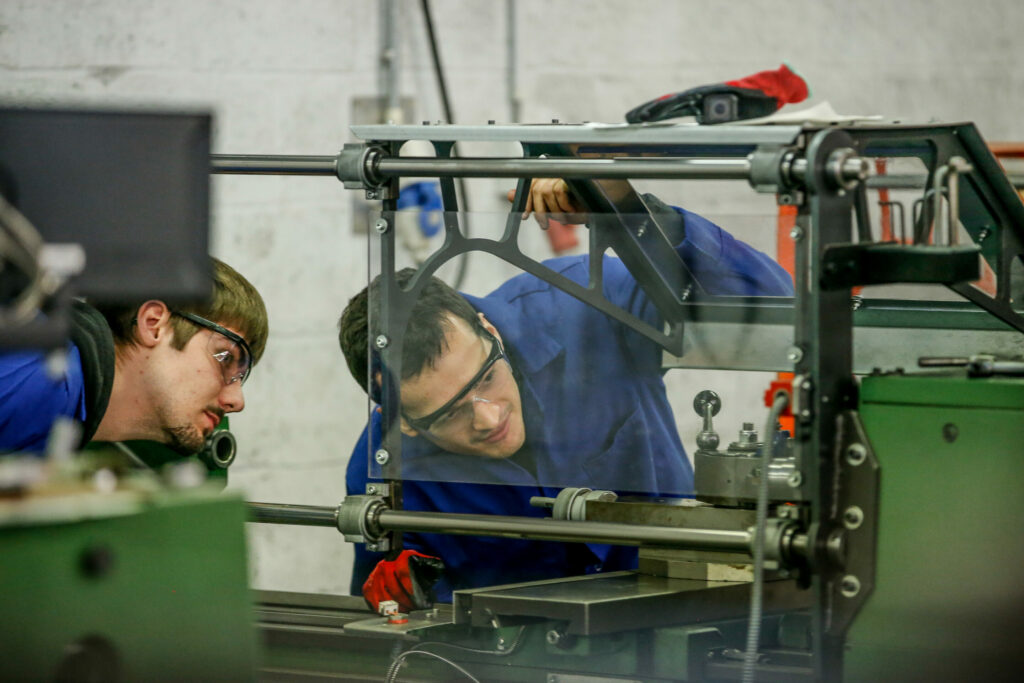
Individual vocational training in Flanders will undergo significant changes from 1 January, aiming to make the programme more appealing and cost-effective.
The initiative, currently overseen by Employment Minister Zuhal Demir, provides jobseekers with workplace training while allowing them to retain their unemployment benefits alongside a premium from the Flemish Employment and Vocational Training Service (VDAB).
Employers benefit by saving on labour costs.
Known as IBO, this training system has seen considerable success in the past, peaking at over 15,000 in programmes annually.
However, participation has drastically declined in recent years, dropping to 2,123 in 2022, 1,858 in 2023, and 1,653 predicted for 2024.
To revitalise the programme, Minister Demir plans to introduce a reformed structure.
Participants will receive higher compensation, calculated based on their future wages upon employment, and employers will pay trainees directly instead of through the VDAB.
Despite these changes, trade unions have raised concerns that some trainees, particularly in low-wage sectors, may face income losses.
The reforms aim to address these issues while shedding new light on vocational training in the region.
Related News
- Individual vocational training continues to lose popularity
- Belgium second worst country in the EU for vocational graduate employment
- Brussels reforms job guidance ahead of cap on unemployment benefits
- VDAB prepares increasing number of inmates for return to labour market
- Governments urged to reform diploma equivalence procedures
