
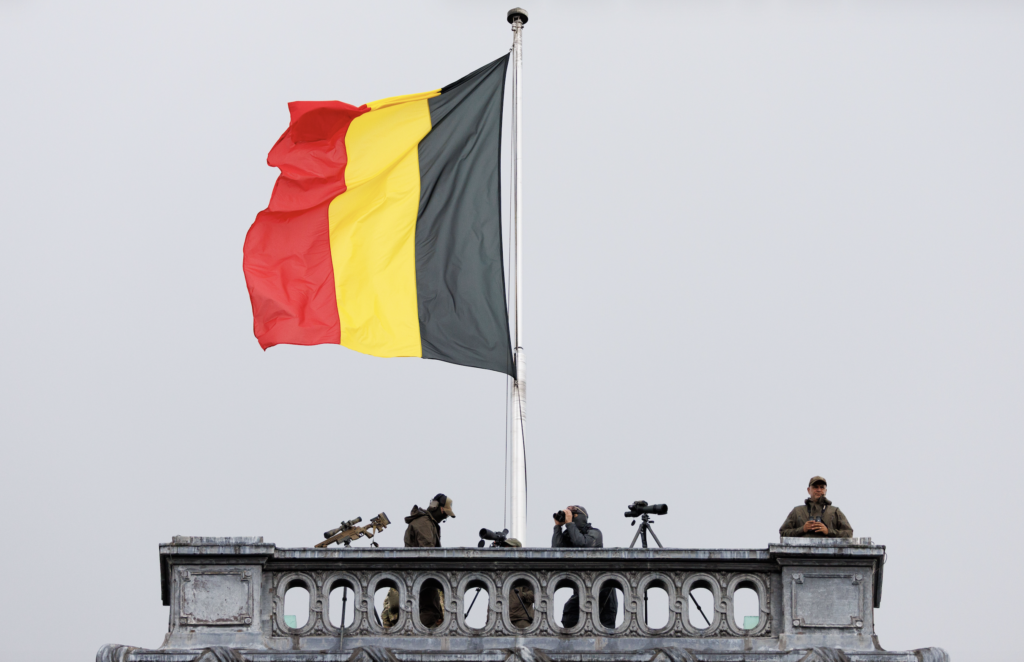
Belgium’s efforts to prevent corruption among government and law enforcement officials remain limited, according to new assessments by the Council of Europe.
Earlier this year, Belgium dropped six places in Transparency International's global Corruption Perceptions Index (CPI). It recorded its worst score (69/100) since the index was created in 1995.
This was also reflected by the latest report of the Group of States against Corruption (GRECO), established in 1999 by the human rights organisation Council of Europe, which is not part of the EU. GRECO aims to monitor the compliance with the anti-corruption standards of the organisation for its 48 Member States.
This week, it released two new assessments on Belgium’s efforts to fight corruption at the administrative, political, law enforcement and judicial levels.
It found the progress to be overall slow and limited, with the majority of its recommendations yet to be implemented or only partially done so.
Lobbying & gifts
For example, Belgium has not made progress on setting robust anti-corruption rules for top civil servant officials working in central government.
It is still failing to ensure transparency for their recruitment, lobbying meetings, implementing a gift register, restricting post-employment roles (for conflicts of interest) and registering asset declarations.
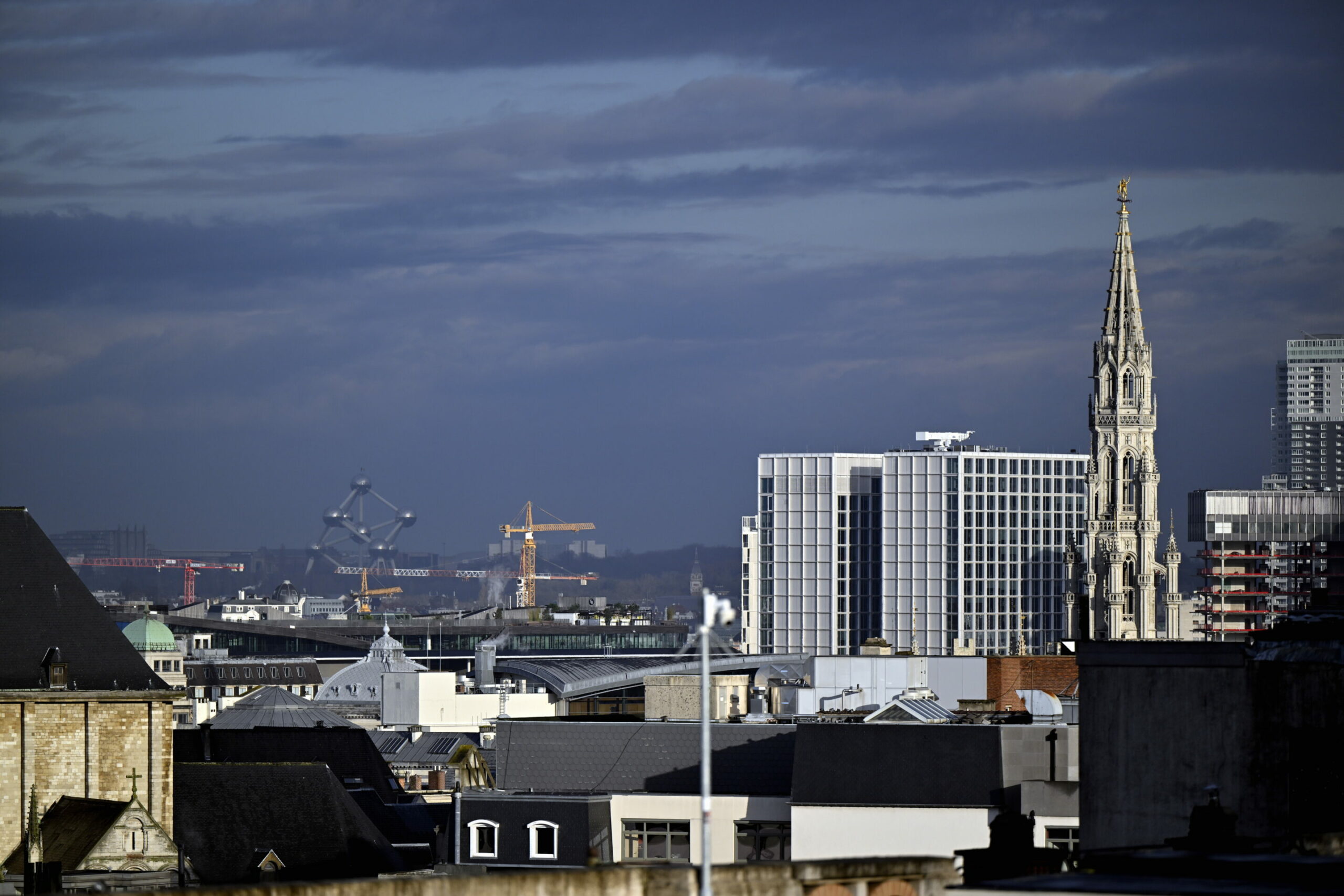
The skyline pictured in the city centre of Brussels. Credit: Belga / Eric Lalmand
Effective sanctions for ethical breaches of codes of conduct are also still outstanding – with Belgium's lack of overall integrity strategy being the key factor behind these failures, according to GRECO.
The report did, however, note a new law from 2024, which improves transparency of the work of ministerial private offices with new access-to-information rules. This means that information on ministerial activities can now be formally requested.
Police interests
When it comes to the federal police, Belgium still does not have an asset or interest declaration regime for police roles deemed high-risk, despite it having been recommended to do so by the Council of Europe.
There is also an urgent need for the country to set up an internal control mechanism with systematic disciplinary statistics, GRECO found.
It noted that there had been some positive developments in federal police governance with the achievement of greater stability among senior management roles, with most positions now filled on a permanent basis.
However, some initiatives on screening senior police executives for career-long integrity are advancing, but not fully in place yet.
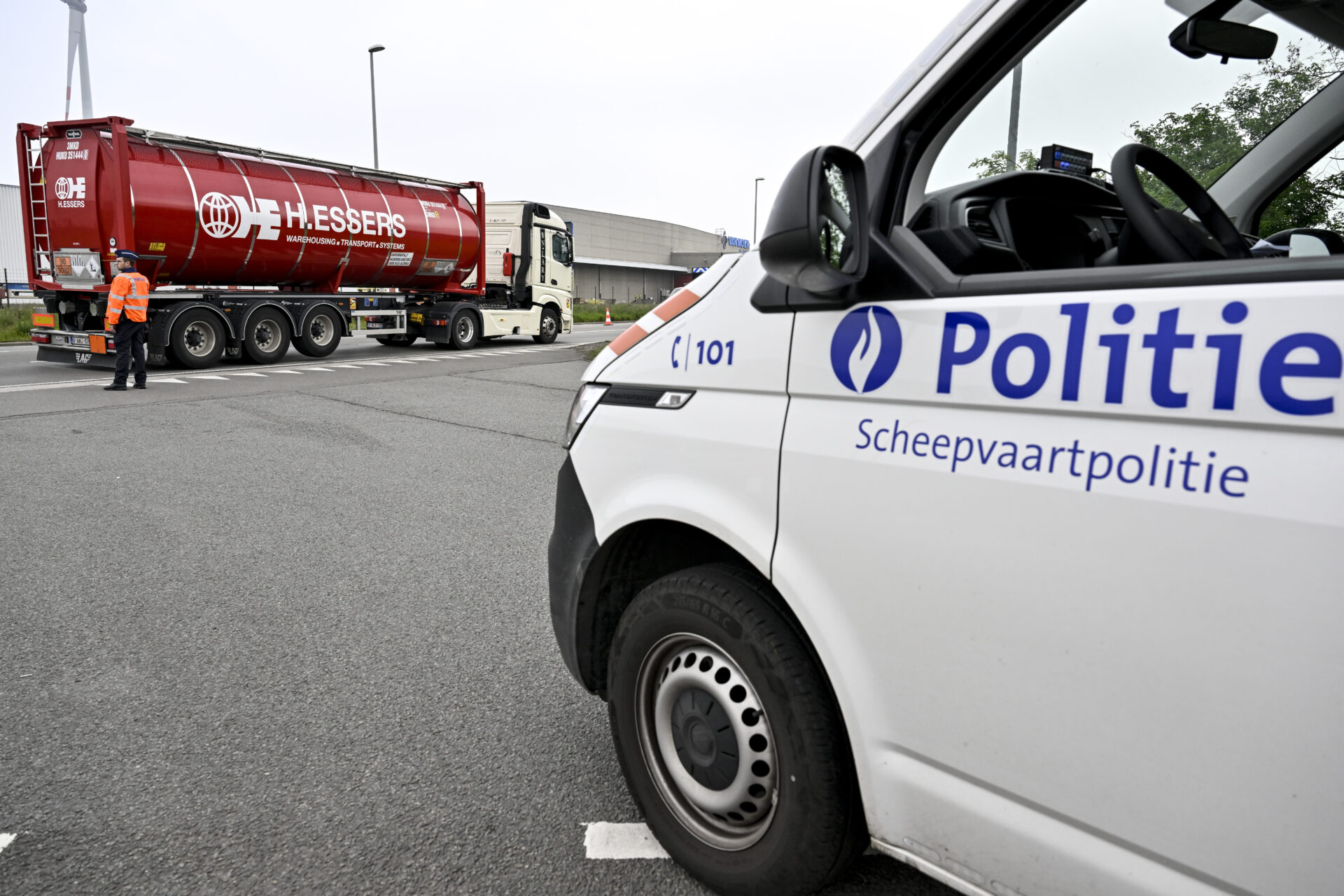
The Maritime Police checks in Antwerp Port as part of the fight against organised drug crime. Credit: Belga / Dirk Waem
This is particularly important given the situation around drug trafficking at the Port of Antwerp, which is leading to more shootings and violence on the streets of Brussels and the diamond city.
Europol has identified infiltration of organised crime among European port workers, personnel of shipping companies, security companies, law enforcement and customs as a key reason for corruption in these places.
Lax rules for politicians
For MPs, the report found that here too, Belgium still lacks operational rules on MPs’ gifts, lobbying contacts and meetings.
It is also failing to set up a comprehensive asset and income declarations mechanism, and still has not brought in strong sanctions for MPs found to be in breach of ethical rules, despite being repeatedly instructed.
It noted that limited technical work is underway on gift rules and a lobbying register, but nothing has been finalised.
For this, the European Parliament’s lobby register model is being studied for the Chamber of Representatives in Belgium's Federal Parliament, but overall, GRECO "regrets" the lack of firm rules after more than a decade since its first report on the matter.
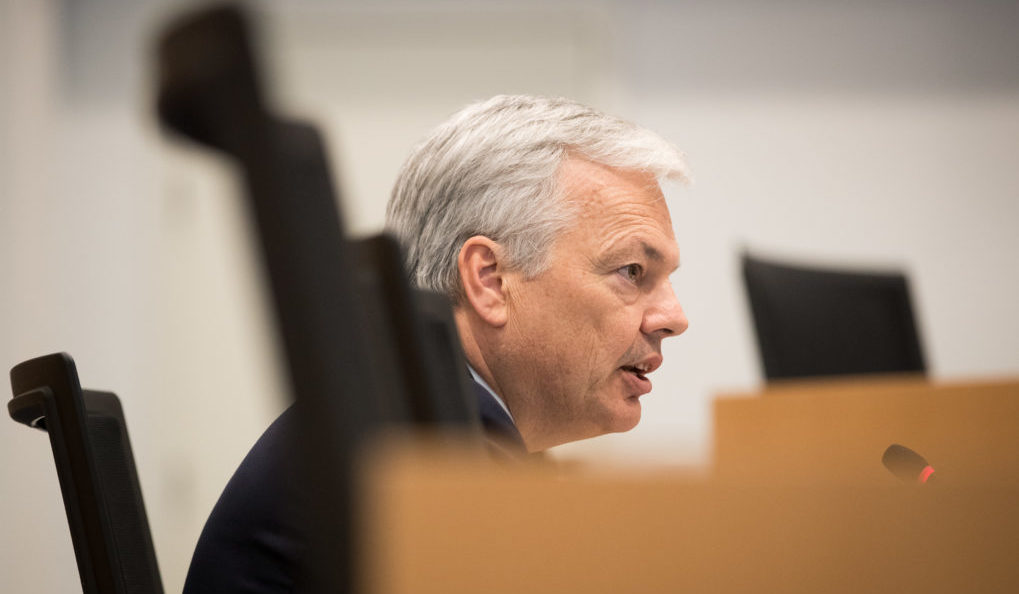
Former Belgian minister and EU Commissioner Didier Reyners, who was recently charged with money laundering. Credit: Belga
Some progress was made with integrity training, which has improved. Mandatory initial training and regular follow‑up sessions have satisfied the relevant GRECO recommendation.
Finally, the report found that on the judicial side, only one recommendation is still outstanding for judges and prosecutors: a comprehensive assessment of how cases are assigned between judges.
The report comes as Belgium has been rocked by a succession of corruption and influence-peddling scandals, both domestically and at the EU institutions.
In November, former Belgian Deputy Prime Minister and European Commissioner for Justice, Didier Reynders, was charged with money laundering through the purchase of lottery tickets.
Delicate high-level corruption scandals involving EU officials, such as in the College of Europe and Qatargate cases, are also ongoing and under investigation by Belgian authorities.
These cases have also been hit by scandals. Two Belgian officials are currently in judicial trouble for leaking confidential information to the press related to the Qatargate.
This includes the former head of the Central Office for the Suppression of Corruption (OCRC), Hugues Tasiaux, who has been charged, and Philippe Noppe, head of the federal police’s Central Office for Serious and Organised Crime (OCDEFO), who was also suspended from his duties over Qatargate leaks on Monday.
Belgium will now need to report again to the European anti-corruption body by 30 November 2026 on its progress. GRECO has also requested that the Council of Europe formally press the Belgian authorities to act on the outstanding recommendations.
