
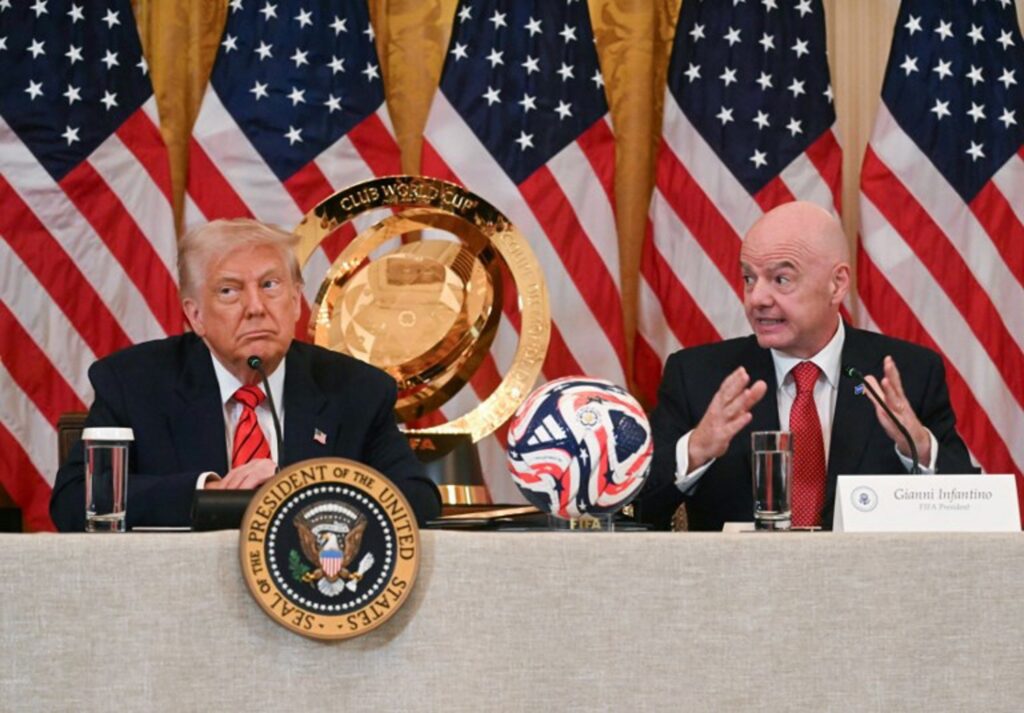
Next summer's World Cup will be held in North America, and with transatlantic relations having taken a nosedive in recent weeks, the prospect of withdrawing from the tournament has been raised and put to several European governments.
While the World Cup will also be co-hosted by Canada and Mexico, most of the matches will take place in the United States.
France's Sports Minister, Marina Ferrari, told the French press on Tuesday that a boycott was not on the cards “at this stage” for the former world champions. "That said, I'm not going to predict what might happen," she added.
Germany's state Sports Minister, Christiane Schenderlein, explained to AFP last week that any decision on the country's participation would ultimately be up to the German football authorities and FIFA. "The Federal Government will accept their assessment," Schenderlein said.
Meanwhile, a petition in The Netherlands calling for a boycott of the event has reached over 142,000 signatures. "It is unacceptable for our footballers to go to a tournament organised by a president who is threatening to invade an ally," the petition explains. "Taking part in a sporting event as if nothing is happening legitimises Trump's expansionist policy."
Belgian FA 'keeping an eye on developments'
Belgium is not currently considering boycotting next summer's World Cup in the United States, regional authorities and the country's football federation have told The Brussels Times.
Two of Belgium's three group stage matches are scheduled to take place in the United States. Belgian football's governing body, the Royal Belgian Football Association, gave the following response to the Brussels Times: "We are currently focusing on sporting preparations for the World Cup, while also keeping an eye on developments outside of sport.”
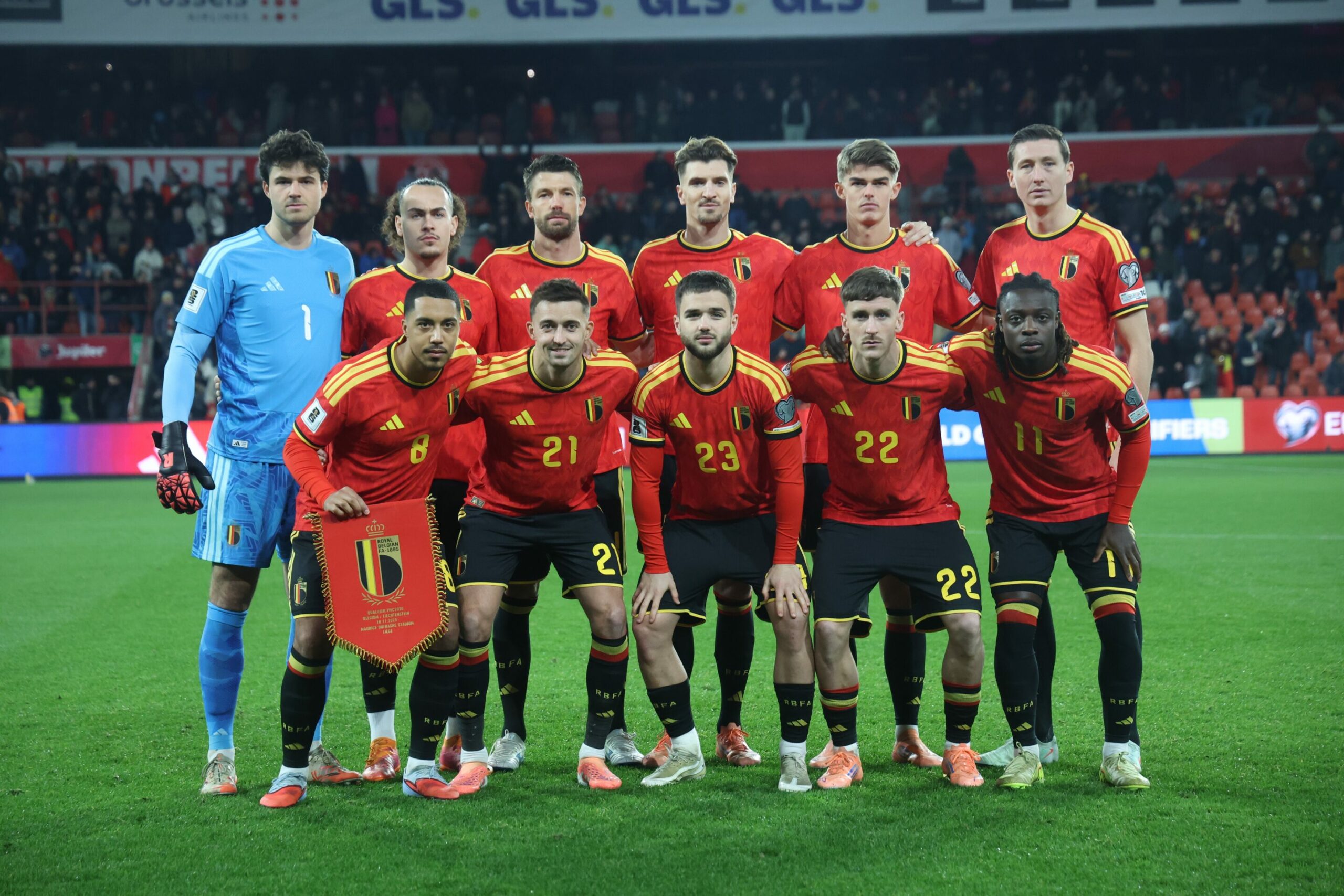
Belgium's players pose for a team picture before the start of a football match game against Liechtenstein, the last FIFA World Cup 2026 qualification match, in Liege on Tuesday 18 November 2025. Credit: Belga / Virginie Lefour
Jacqueline Galant, the Sports Minister for the French Community, told The Brussels Times that the prospect of a boycott by the Red Devils is currently off the table. "My vision has always been quite clear: sport must be separated from politics, as is the case for culture," Galant said, adding that "a boycott of the World Cup is clearly not being considered at this stage."
At a meeting in Budapest last Monday, members of UEFA agreed that withdrawing from the World Cup could be a potential course of action, the Guardian has reported. A boycott could be discussed at UEFA's next Executive Committee meeting, which will take place in Brussels on 11 February. European football's governing body will also hold its annual congress in the Belgian capital the following day.
"There are good reasons not to go, even though I think a boycott will be difficult," explains Jean-Michel De Waele, a political science and sports sociology professor at the Université Libre de Bruxelles (ULB). "Discussing this also means discussing our relationship with the United States," he tells The Brussels Times.
"Even if a boycott isn't possible, the teams could stage protests while they are over there," De Waele points out.
"Moving the World Cup to a different country would be complicated, but that doesn't mean we shouldn't do anything. It doesn't mean we shouldn't use this event, just as Donald Trump and [FIFA president] Gianni Infantino will, to get as much reaction as possible."
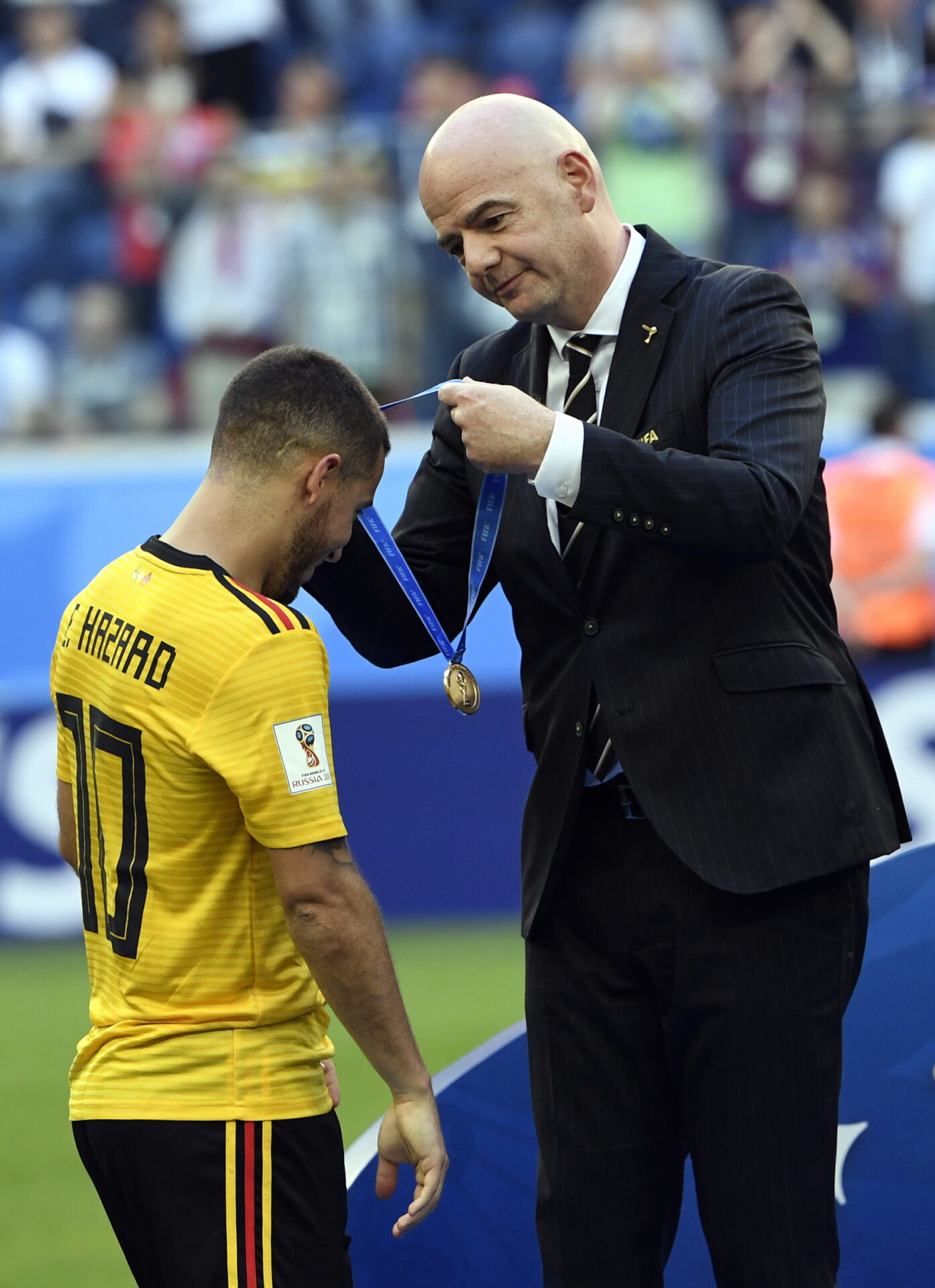
FIFA president Gianni Infantino gives the bronze medal to Belgium's Eden Hazard after the third place play-off of the 2018 FIFA World Cup, Saturday 14 July 2018 in Saint-Petersburg, Russia. Credit: Belga / Laurie Dieffembacq
The threat of a boycott could be used to make demands over the way that visiting fans will be hosted, ULB's professor argues.
"Can we really say that it's going to be a fair competition if supporters from several African countries will have difficulties being allowed in? Are Belgian fans who aren't blonde with blue eyes safe from ICE raids? There are a number of legal uncertainties that we can fight against," De Waele says.
Social media surveillance concerns
A plan under which supporters would have to disclose their social media activity to enter the host country has also caused concern. Football Supporters Europe (FSE), a network of fan associations, described the plans as "profoundly unacceptable".
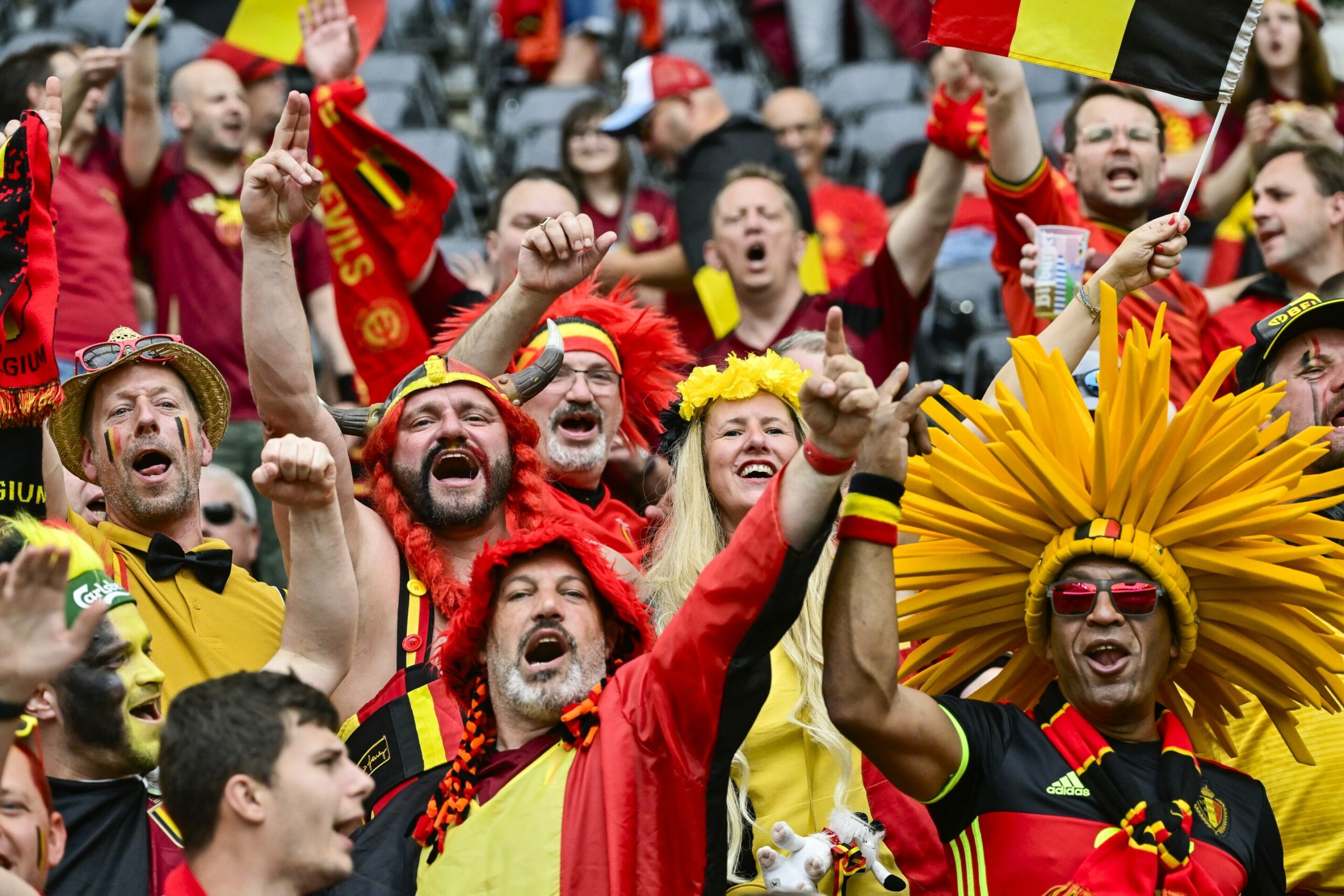
Red devils fans before playing Slovakia, Monday 17 June 2024 in Frankfurt Am Main, Germany, the first match in the group stage of the UEFA Euro 2024 European championships. Credit: Belga / Dirk Waem
The RBFA told The Brussels Times that the subject would "certainly" be discussed in an upcoming meeting with 1895, the official Red Devils supporters' association.
The World Cup tickets FIFA has reserved for Belgium fans are due to be allocated to members of the fan club at the end of the month.
The tournament kicks off on June 11 and ends on July 19, with the final taking place in New York. Belgium are due to begin their campaign on June 15 with a group stage match against Egypt in Seattle.
Rudi Garcia's team will then take on Iran in Los Angeles on June 21, before facing New Zealand in Vancouver on June 26.
