
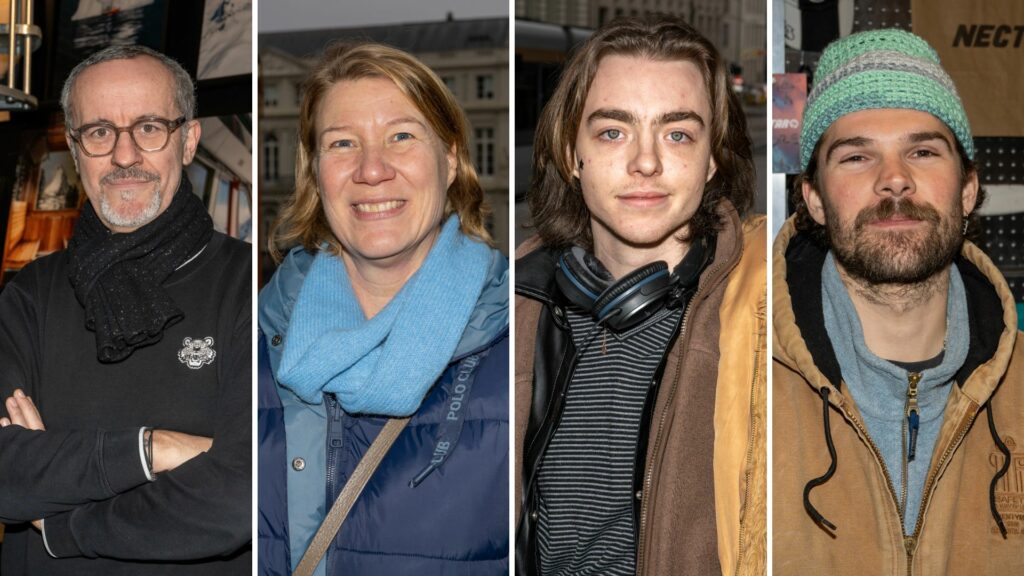
The Brussels-Capital Region has been without a government for 600 days as of today, breaking all of the country's infamous records. What do residents of the city stuck in a political limbo think about the political deadlock?
To find out, The Brussels Times reporters hit the streets of the Belgian and European capital to ask the people about their thoughts on the matter.
'The war between the left and the right'
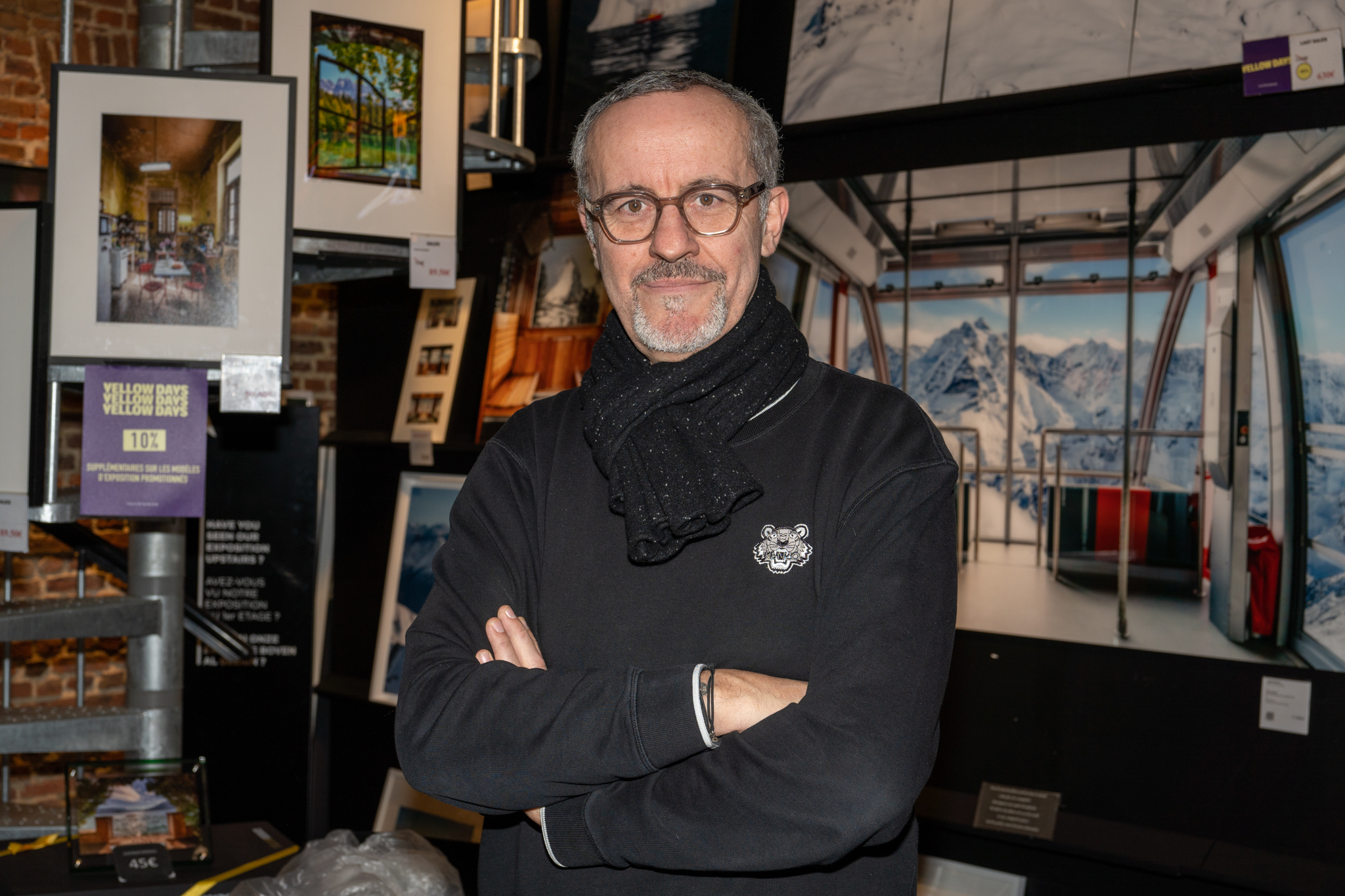
Lionel, 57, has lived in Belgium for over 20 years. Credit: Vicente Torre Hovelson/ The Brussels Times.
Lionel, 57, owns the Yellow Korner gallery in Sablon. He is originally from France, but has lived in Belgium for over 20 years.
Being aware of the lack of a Brussels Government, Lionel sees Brussels as a "very difficult town." In his words, the current political situation can only be described as a "war between the left and the right." Brussels' social disparity and economic tension are largely responsible for the crisis in his eyes.
"The city simply grew too fast. It’s like inverted Paris – the centre is poor, and the more outside you go, the richer it gets."
"The left wants to take money from the European Commission for the poor, and the right says no to that. Even some of my clients here are afraid that those who have a little money can have it taken away by those who don’t have it at all.”
The gallery owner admits he doesn’t have a clear vision of what could be done, but says it will likely involve opening up more negotiations and complex solutions. "The politicians have to stop saying 'I’m right, you’re wrong'. The pride of Belgium is the compromis à la belge."
“We cannot continue like this, we are going to a catastrophe. Brussels' status as the European capital is under pressure, and I’m afraid investors will say, 'Okay, Brussels. Basta. We will invest in Berlin now' if this continues. That’s why I have hopes this situation will be resolved soon."
'Makes me feel sad'
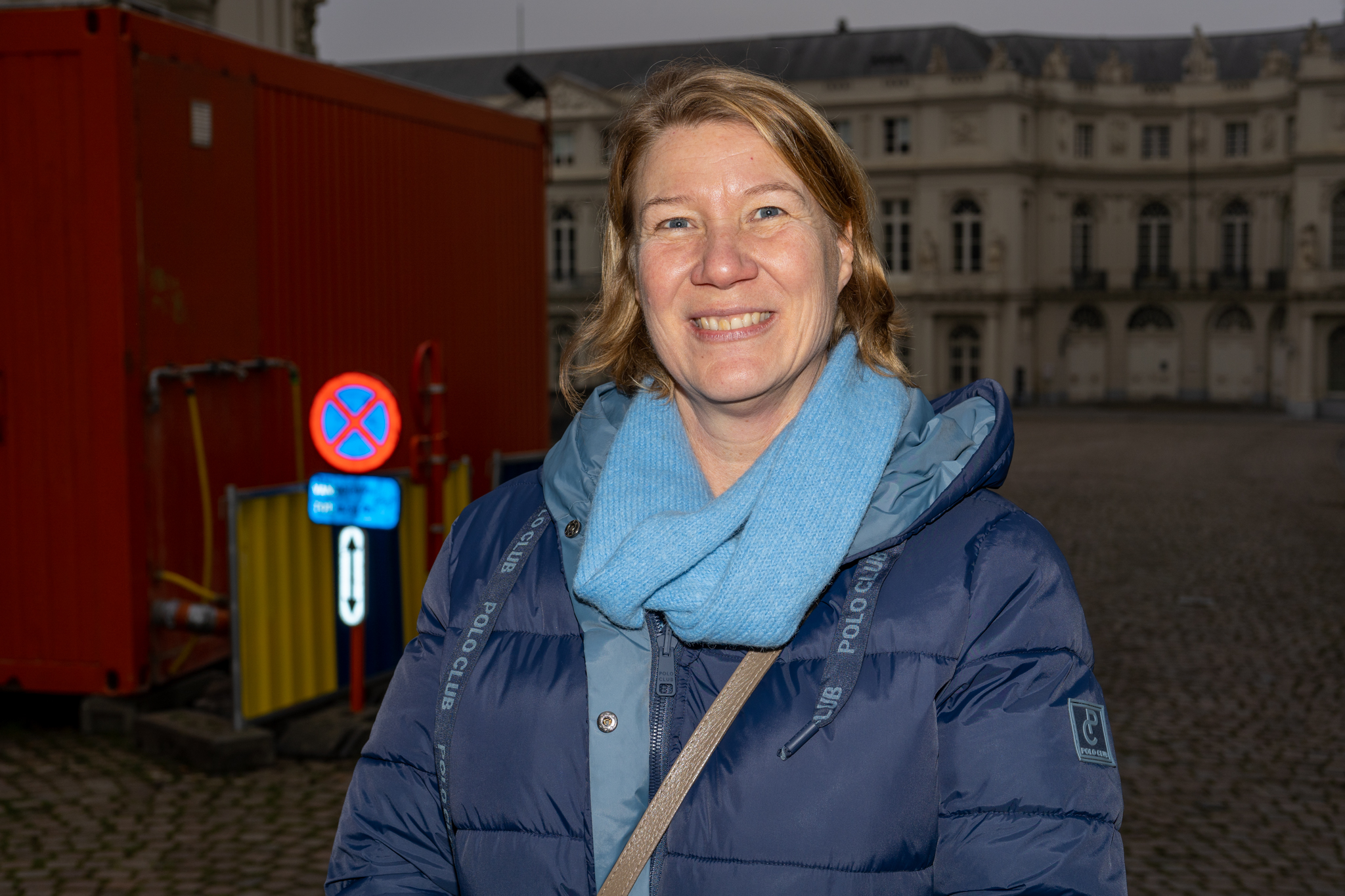
Ann, 54, comes to Brussels for her work as a legal adviser. Credit: Vicente Torre Hovelson/ The Brussels Times.
Ann, 54, lives in Flanders. She comes to Brussels for her work as a legal adviser. The lack of a Brussels Government after 600 days doesn't sit well with her.
"I feel sad that, apparently, the democratic procedures are not working the way they should in this part of Belgium."
At the same time, Ann believes that the caretaker government is trying its best, even if it is taking a long time. "As long as we have our constitution and institutions looking over the process, we should avoid what happens right now in the US. Somebody needs to rule and govern, and it will be tough to get a real government."
Asked about how she sees the future of Brussels, she concludes that it is "difficult to predict," suggesting that worries of not getting a fully formed government until 2029 are very likely to come true. "It’s what we call a stalemate."
'Really? 600 days?'
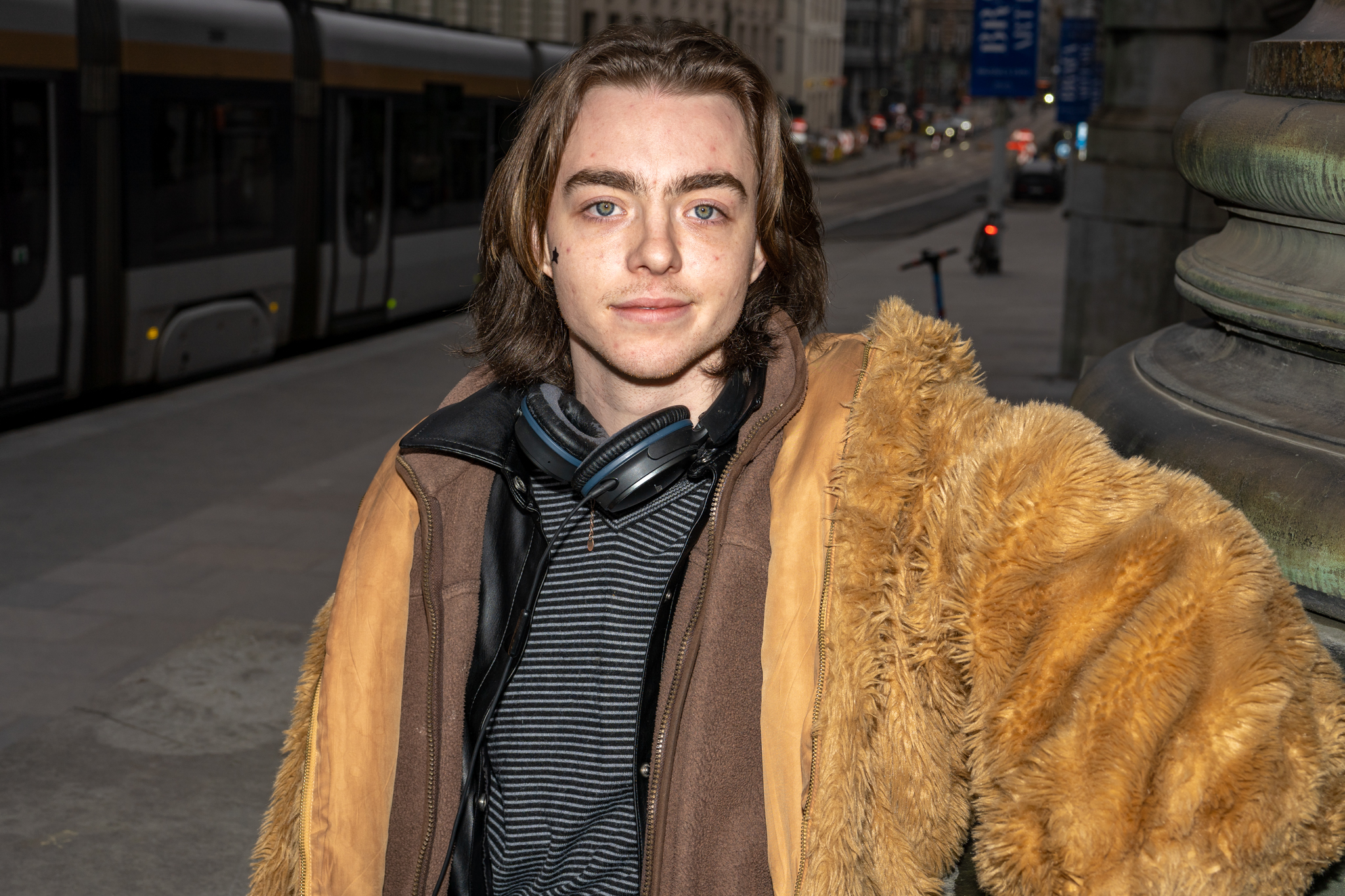
Harry McIlroy, 24, from London. Credit Vicente Torre Hovelson/ The Brussels Times.
Harry McIlroy, 24, is a university student from London visiting Brussels for class. Despite not knowing that Brussels did not have a government before speaking with The Brussels Times, McIlroy was actually shocked by the fact that Brussels was left without a government for so long.
Surprised, he exclaimed, "Really? 600 days?! I have not been here for very long. This is my first time, but from an outsider's perspective, it runs perfectly."
Even as a tourist, McIlroy believed that there was one big injustice in the ongoing government formation: politicians are still getting paid despite not forming a government.
"I think that's ridiculous. Honestly, payment should be completely connected to them serving or the progress they make. Even when they do serve, I'm assuming most of them probably don't actually do that much."
'I think as Belgian people, we are used to it'
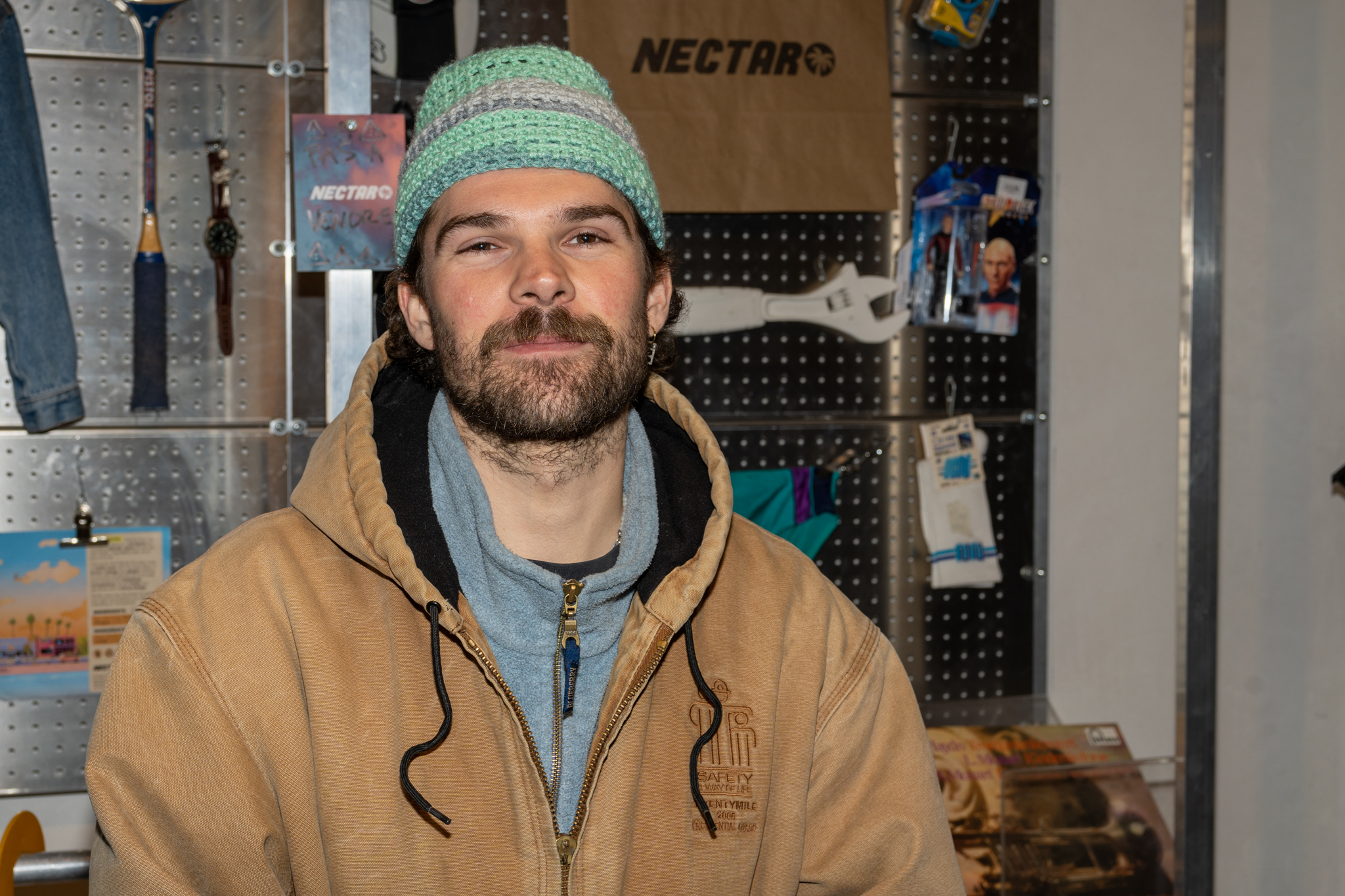
Côme Thiéry. Credit: Vicente Torre Hovelson/The Brussels Times.
Côme Thiéry is the owner of the "Nectar" vintage store in the Marolles in the city centre, and is not surprised by the long formation process.
"I think, as Belgians, we are used to it," said Thiéry. The clothing store owner and Brussels native expresses little shock at the fact that a coalition could not be formed due to disagreements between the different parties.
While politicians from all parties are constantly pointing fingers at each other, Thiéry is not blaming anyone specific. "I understand it's difficult to get along with all parties; there are a lot of them. Everybody is entitled to their choice and opinion, but it doesn’t have to take so much time like this."
At the same time, Thiéry believes that the main problem is the lack of willingness to compromise. "Of course, in Belgium, you have to compromise. So, be adults and get your s**t together!"
