
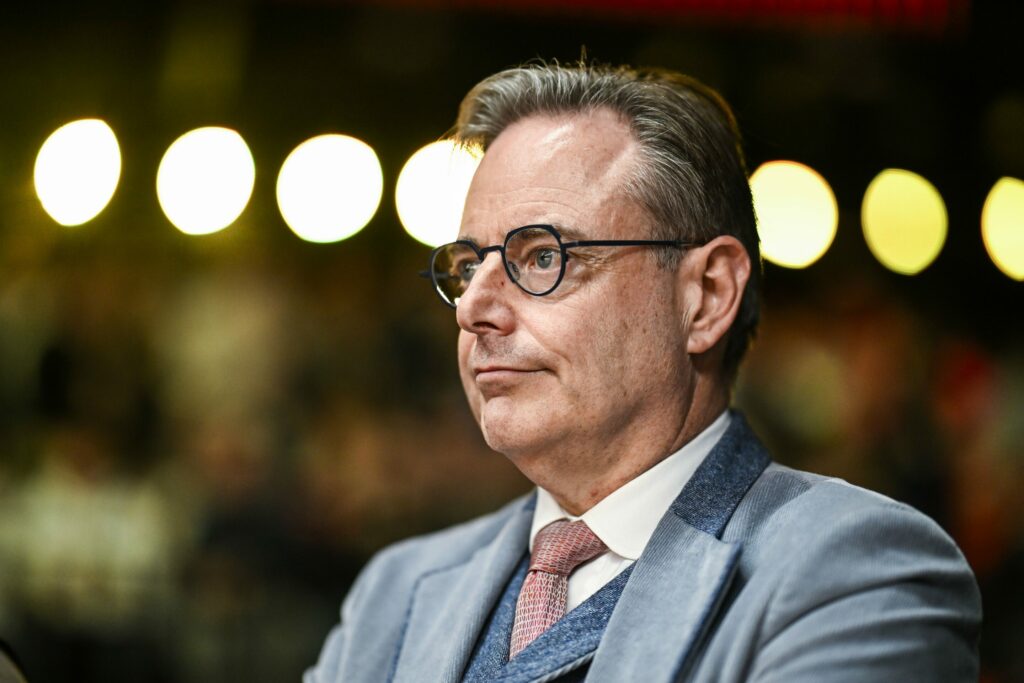
Belgium's Prime Minister Bart De Wever (N-VA) could "work miracles" if he were allowed to be put in charge of the Brussels-Capital Region for five years, he told French-speaking media last weekend.
De Wever sat down for interviews with several Francophone news outlets on the occasion of his government being in power for a full year. When speaking to RTL, he made it clear that, if circumstances allowed, he would love to get Brussels' budget in order.
"If I were to be given carte blanche, I'd work miracles in Brussels in five years. And with less money," he said.
"If you look at the budgets spent in Brussels at different levels: the 19 municipalities, the region, all the structures that exist there and that lead to very, very poor management of the city... I think I could do better, much better," De Wever stressed.
'Crackdown on Brussels'
He emphasised that when he became mayor of Antwerp (in 2013), the city had the worst debt of all cities in Flanders – a large historic debt that went back to the 1980s. Antwerp's municipal council managed to completely pay off that debt in 2024 – something that many experts largely credit De Wever and his administration for.
"I have governed a big city before," he claimed. However, Brussels has a much larger metropolitan area and population.
"When you see how much money flows into Brussels, there is more than enough money. With strong and competent leadership, you can work miracles in five years. I would very much like to do so," the Flemish nationalist continued.
However, according to him, the legal structure of the Brussels-Capital Region was created "for a time and a population that no longer exists."
"The Special Brussels Act (which cements the place of the Capital Region in Belgium's state structure) does not provide for it to be placed under the guardianship of the Federal Government, which is a shame," De Wever said.
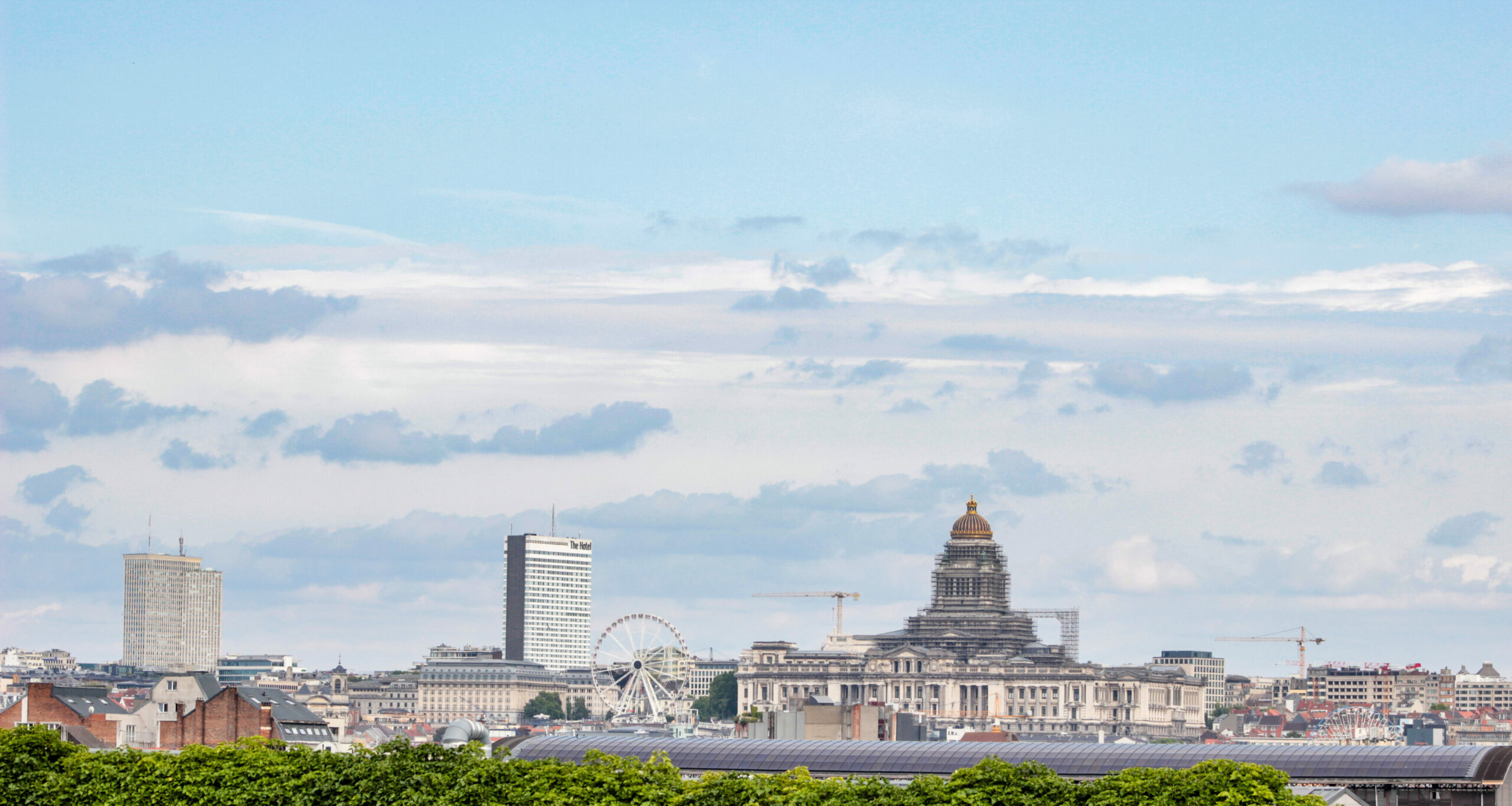
Brussels skyline. Credit: Ingrid Morales / The Brussels Times
A special Brussels law stipulates that the region is autonomous, meaning no other government can intervene in its administration – even if De Wever is itching to do so.
"The Special Brussels Act does not allow me to take over there. Otherwise, I would have done so long ago – a kind of federal crackdown on Brussels," he said. "But now I have to wait until there is a government."
If the Brussels Region were to ask the Federal Government for financial help one day, De Wever would like to play a kind of International Monetary Fund (IMF) and bail out the region.
This would involve setting up a financial rescue operation (in the IMF's case, usually reserved to bail out poorer countries), albeit under very strict conditions.
"I would take on that IMF role and impose institutional reforms," he stressed.
A conclave in Brussels
In the meantime, a conclave to form a new Brussels Government – led by the leader of the Francophone liberals (MR), Georges-Louis Bouchez – is starting on Tuesday morning, more than 600 days after the last election.
On the Francophone side, the parties involved are MR, PS (socialists) and Les Engagés (centrists). On the Flemish side of the negotiations, Bouchez invited Groen (greens), Anders (liberals), Vooruit (socialists) and CD&V (Christian Democrats). Together, they hold a majority in both the French-speaking and Dutch-speaking groups.
The negotiators are not expected to leave the meeting place until an agreement has been reached. According to Bouchez, a government could be formed "within days" in this manner, he said on social media.
This latest attempt – Bouchez's second – follows the previously collapsed talks led by former formator Yvan Verougstraete (Les Engagés), despite growing pressure from citizens and behind-the-scenes talks between MR and PS.
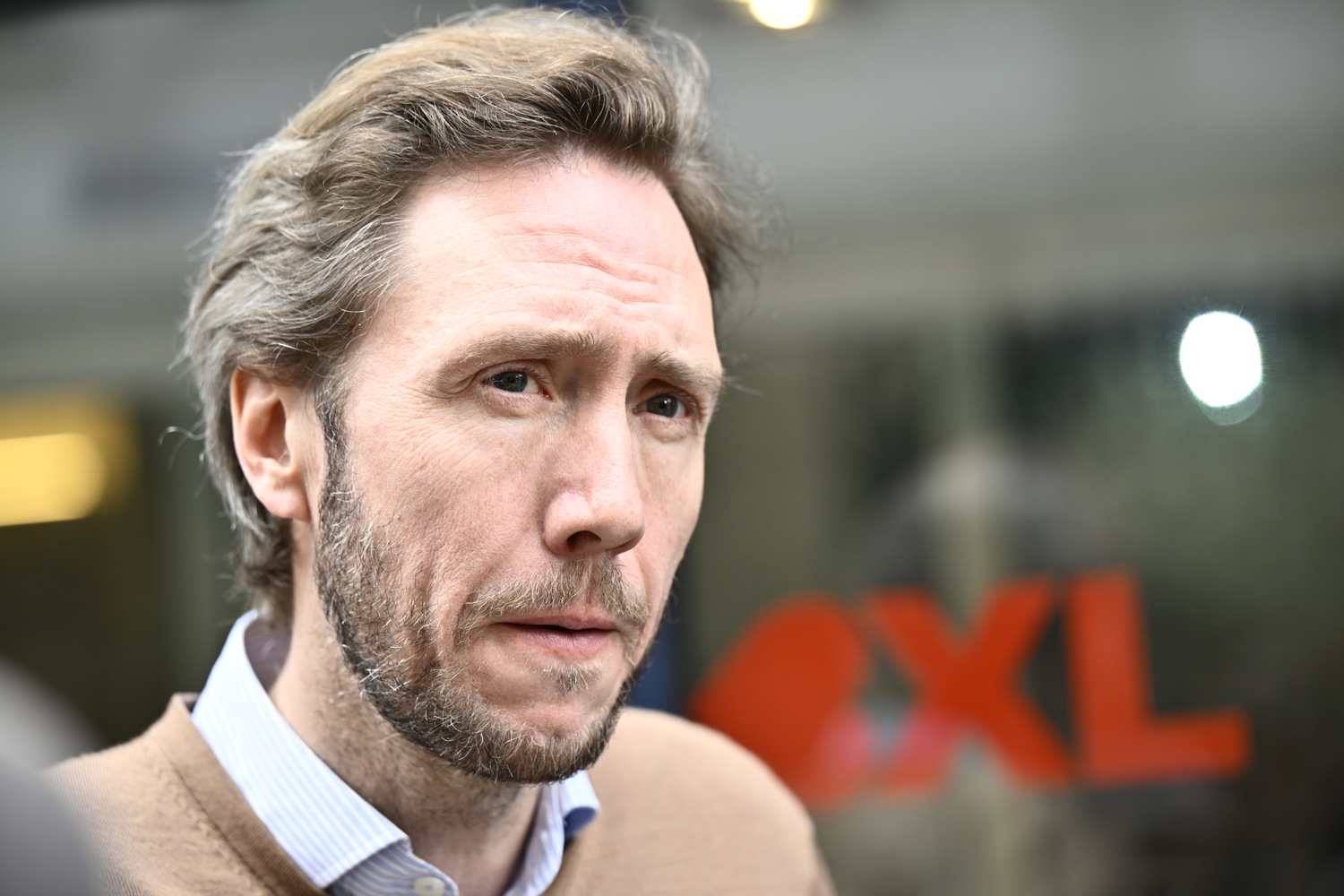
Anders' leader Frédéric De Gucht. Credit: Belga
Verougstraete blamed the Flemish liberal party Anders (the new name of Open VLD), which refused to take part in negotiations despite the promising signs – mainly because it did not want to join a government without the Flemish nationalists (N-VA).
Now, however, Anders' leader Frédéric De Gucht told VRT that he was willing to participate in the new attempt, even without an invitation for N-VA – a requirement that has so far prevented the Brussels coalition from being formed.
This same proposal was on the table a year ago, but the party (then still called Open VLD) did not agree to it at the time.
