
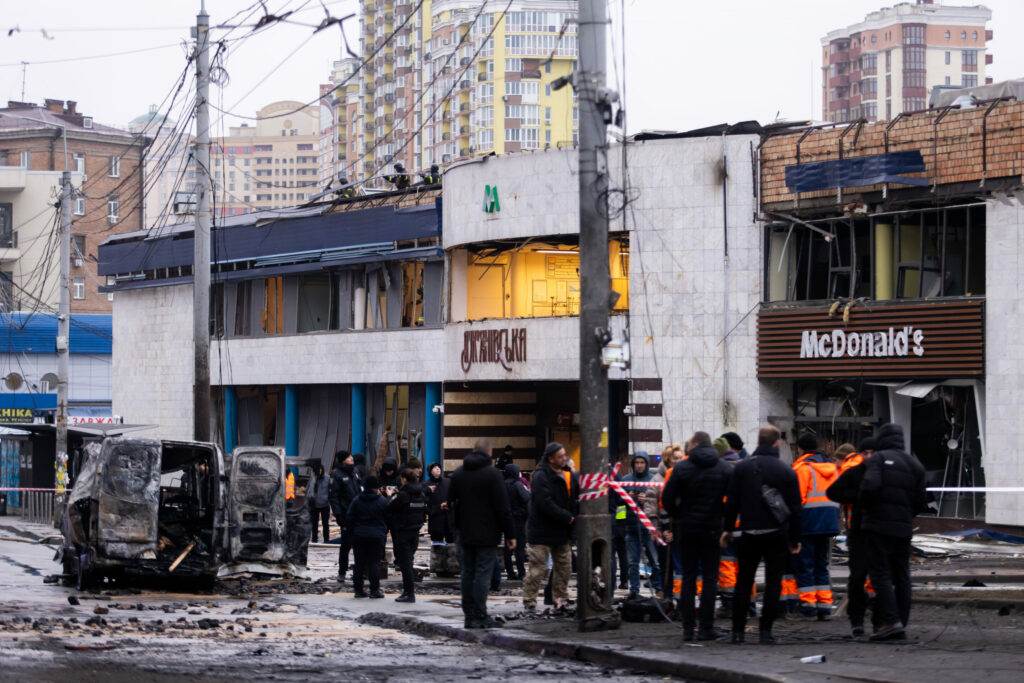
Four years ago today, I was at home in Kyiv when the wail of the first sirens pierced the skies at 05:42, alerting people that Russian missiles were coming. In the hours that followed, any notion that we were not at war quickly dissipated.
That morning, Russian artillery forces shelled Ukrainian borders. Russian missiles hit Ukraine’s military facilities and airports. Lines of Russian tanks advanced from the north to storm Ukraine's capital.
I remember those first days hazily. Confused by the sirens, my family and I went outside to hide in the cellar of a nearby car garage – a narrow space in the ground meant to store provisions in the wintertime.
Our instinct to seek safety in the cellar was, it turns out, misguided. We soon learned that it is more dangerous to be in a confined space if a missile hits; it is far better to hide out in a metro station.
The next day, it seemed as if Russian soldiers would enter Kyiv within hours. After gunshots rang out on our street, my mother decided it was time to leave.
On 26 February, about an hour before we boarded the evacuation train from Kyiv Central Station, Russian forces hit a residential building in the city – news I heard about while standing on the platform with my mother, 10-year-old brother, and our dog. I had yet to hear the shrill sound of advancing missiles in those days. That came later.
Throughout these months, 'good morning' and 'quiet night, be safe' messages became vital to maintain sanity. Russian soldiers attempted to encircle Kyiv, committing atrocities – including the unspeakably brutal massacre in Bucha – as they went. But they have failed, confronted with the unprecedented resistance of Ukrainians.
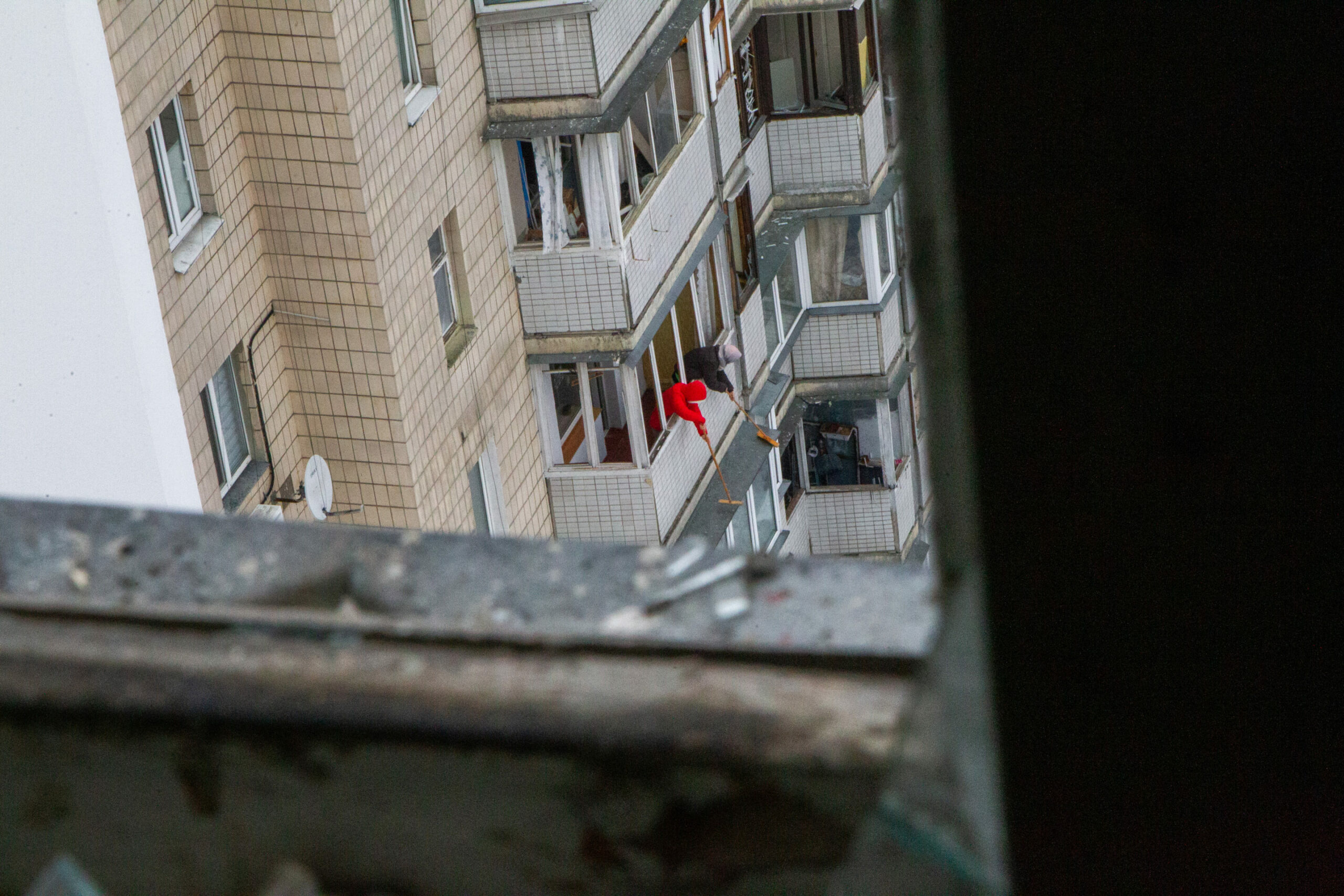
Residents of an apartment building clear broken glass after a Russian attack on Kyiv, February 12, 2026. Credit: Media Centre Ukraine
Return to Kyiv
Owing to the bravery of Ukrainians on the battlefield, I could return to Kyiv in the summer of 2022 to visit my grandparents. They had both lost weight, and the many sleepless nights and stress they had gone through were evident, but they were overcome with happiness, seeing me on their doorstep. Millions of Ukrainians no longer had the same luxury.
That week, I heard the shrill sounds of ballistic missiles waking me up in the morning. Four hit a residential building and a factory facility less than 100 metres away from my grandparents' home. Later, I learned - how cynically practical you begin to think of it - that if you hear it, it is not aimed at you. What at first seemed unimaginable has become commonplace today.
My friends have passed on stories of those I knew who volunteered to defend their land, describing inhumane conditions and the atrocities Russia has committed. They spoke of the proximity of death and the devastating impact of having to fight on each minute of the day, even as two-thirds of your comrades did not make it through the battle.
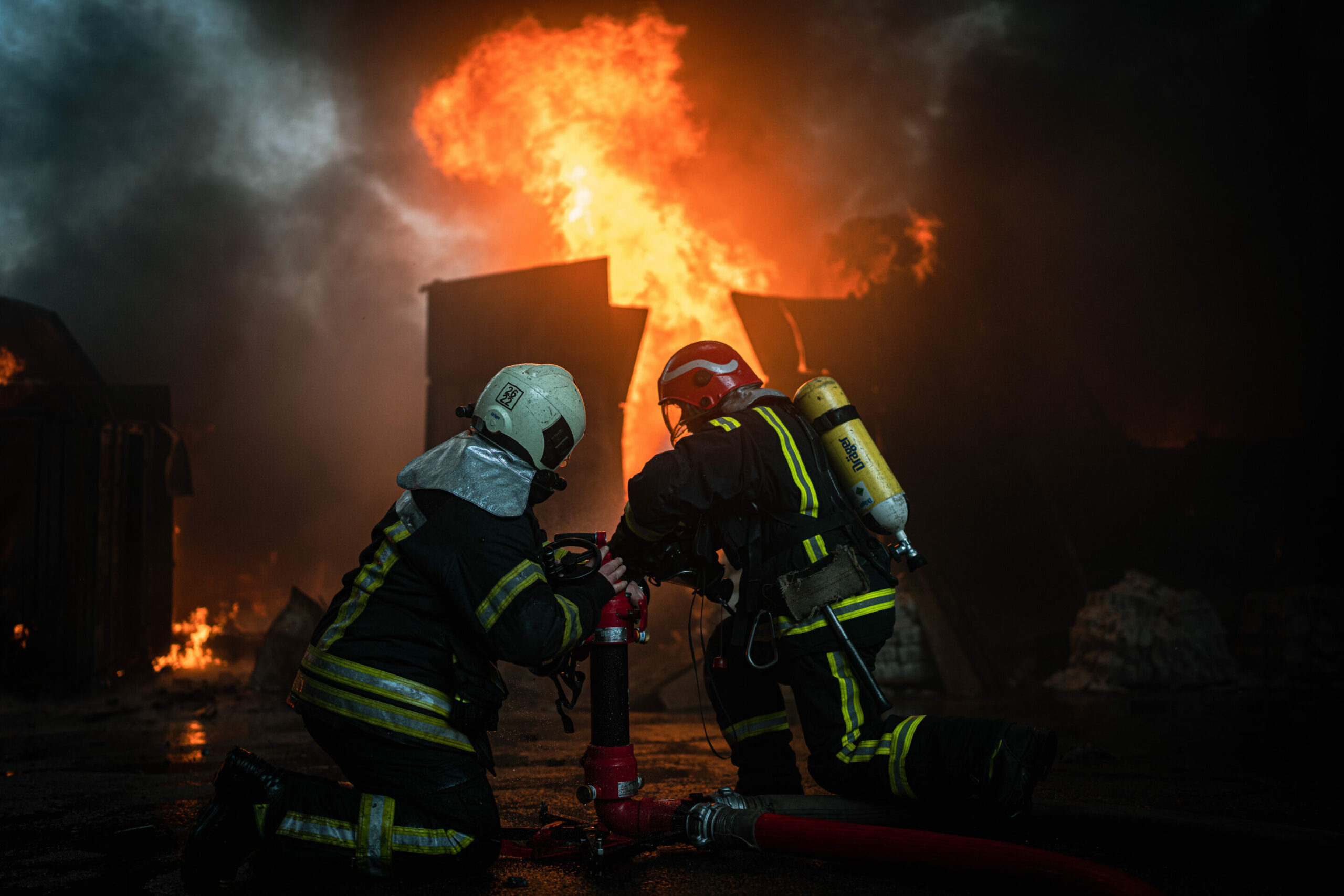
Rescuers putting out the fire, after an overnight attack on Kyiv, on February 15, 2023. Credit: Ukraine Media Centre / The State Emergency Service of Ukraine
The war goes on (and on)
Four years later, Russia has only escalated its attacks, both at the frontlines and against Ukrainian cities, whilst stalling peace negotiations, and negotiating business deals with the US government.
According to CSIS estimates, Russia’s so-called "special military operation" against Ukraine has killed as many as 140,000 Ukrainian combatants, with over half a million left wounded. OHCHR data suggests that Russia has killed at least 15,172 civilians.
Last year, Ukrainians had just eight nights of uninterrupted sleep. Relentless Russian attacks on Ukraine's energy infrastructure have also left millions of people in the dark and cold this winter. For days, sometimes for weeks on end. And even then, Ukraine keeps holding the lines.
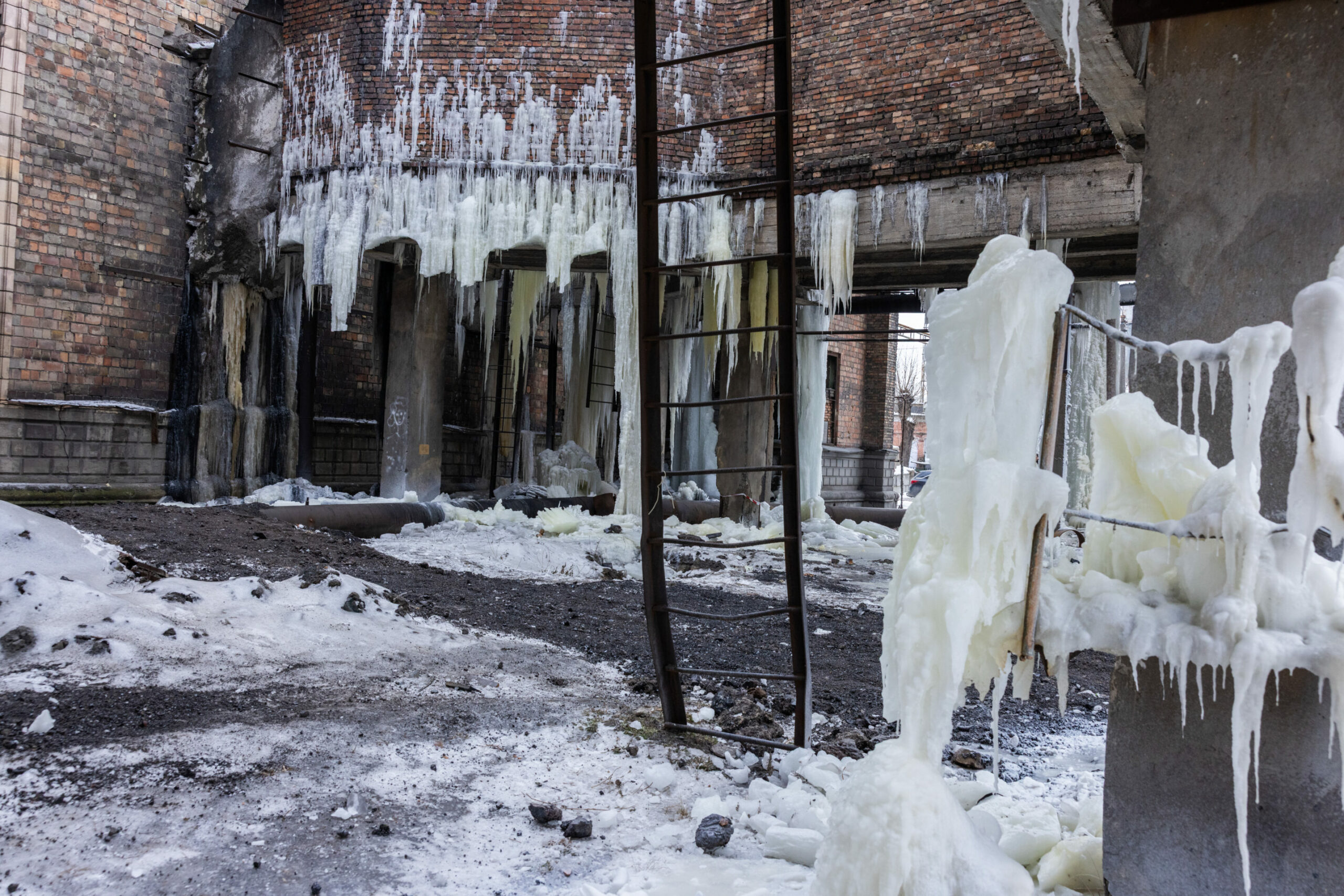
Ice at the Darnytska Combined Heat and Power (CHP) plant in Kyiv, which was damaged in a Russian strike, February 4, 2026. Credit: Media Centre Ukraine / Dmytro Vasyliev
We must show resolve
I know the hope is melting as certain governments seem to affirm the right to kill at will. I also know for a fact that Russia wants people to feel hopeless. This is why they allocate resources to undermine trust in democratic establishments and the European Union, whilst using inhumane tactics to pressure Ukrainians to surrender.
But what kept Russia away from taking over Ukraine four years ago still has real relevance today: the mobilised efforts of a resolute people – those the Russian political establishment fears most.
To all the resolute people reading this, you can help. Reading news about Ukraine will incite media outlets to report on it more; your attention is an asset in its own right. Donating to organisations helping Ukrainian soldiers, with both humanitarian and military supplies, will save lives and halt Russia's advance.
The Brussels Times has reported on locals in Brussels gathering to assemble commercial drones for Ukraine. In case you have spare Sundays, or money to spare, such a drone costs €350.
And finally, to all the EU officials skimming news in between meetings: please be fearless and decisive. You have done much and you can do even more. You can pressure Russia to end the war. You can end fuel dependency faster. You can pass the 20th sanctions package. You can send Ukraine more ammunition and fight for your seat at the negotiating table. Do not let anyone convince you that you are not strong enough for that. We are counting on you.
