
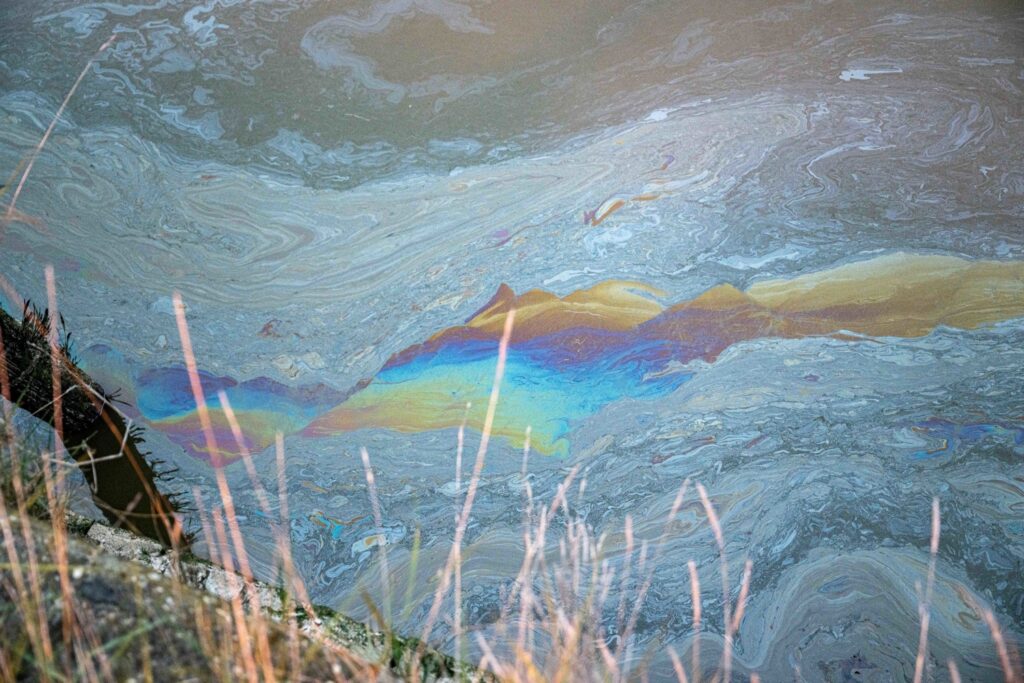
Natuurpunt and the Agency for Nature and Forests are awaiting the potential impact of an oil spill in the Port of Antwerp on nearby natural areas with concern.
Authorities are currently assessing the effects of oil pollution along the riverbanks and surrounding nature reserves. Efforts are focused on preventing further spread and cleaning vulnerable sites. Initial reports suggest areas such as Galgenschoor, Paardenschor, and the Hedwige-Prosperpolder are affected.
Lieven Nachtergale, a Schelde nature expert at the Agency for Nature and Forests, explained the spill involves three types of oil: a light film on the water surface that may dissipate naturally, a heavier fraction washing ashore, being cleaned by civil protection, and the most dense oil still submerged, which could spread into natural areas during high tides.
Tides and currents continue to influence the situation, delaying clarity on the extent of contamination and ecological impact. Nature managers fear birds will be hardest hit. “We’ve already found several dead geese. The real effect on bird populations often becomes visible days later. Birds ingest oil while grooming and end up poisoning themselves. We’re closely collaborating with bird rescue centres to care for affected animals,” said Jeroen Denaeghel, the agency’s spokesperson.
There is also concern that heavier oil fractions may seep into the soil, where they could disrupt ecosystems long-term. “The soil here is rich in worms and shellfish, crucial food for birds. Recovery could take years, as this area already faces significant environmental pressures,” noted Dirk Vandervelden, Natuurpunt spokesperson.
Flemish Environment and Agriculture Minister Jo Brouns, who visited the affected sites Saturday afternoon, highlighted the priority of halting the spread and protecting both nature and soil. “We’re closely monitoring the situation with all involved services and management teams. I want to thank everyone working hard on cleanup efforts,” Brouns said.
Cleanup operations in the port are ongoing, and the port authority confirmed that the Zandvliet Lock has been reopened, with all locks on the right bank now operational. The situation at container terminals remains unchanged.
