
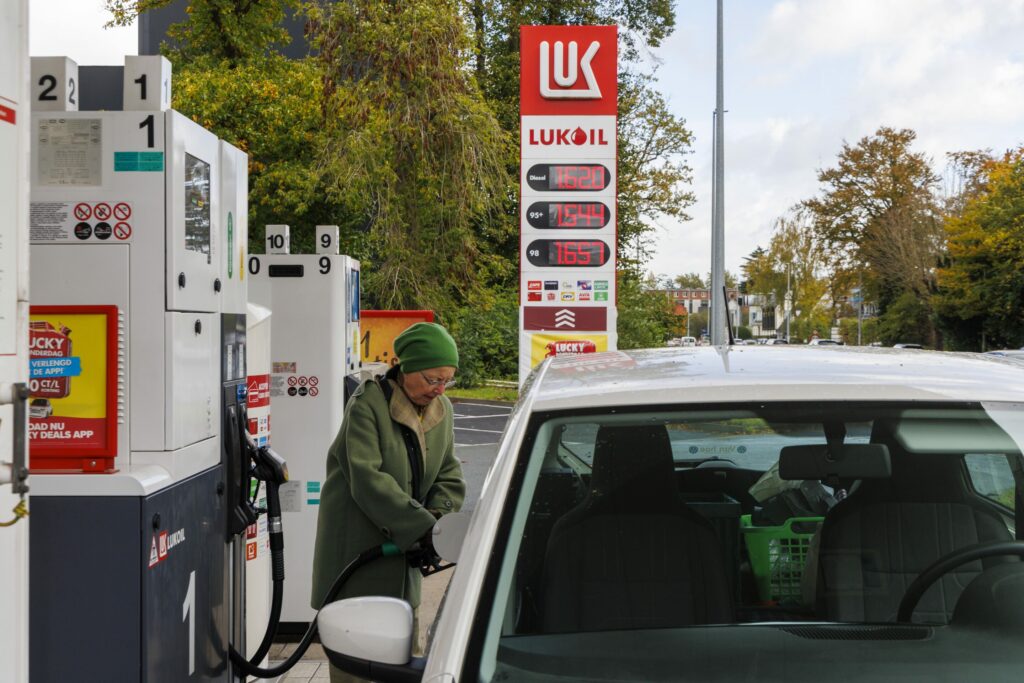
With tension mounting in Belgium and the US-Israel war against Iran driving up energy prices, Friday will be "the moment of truth" for the Federal Government to look into targeted energy support measures for the population.
While Prime Minister Bart De Wever (N-VA) was not bursting with enthusiasm in parliament on Wednesday morning, he did leave the door open for energy support in the face of the rising prices. However, he stressed that he wants to avoid "very costly decisions that do not reach the right people".
The war in the Middle East has caused gas and oil prices to rise sharply – something that is becoming particularly clear at the pump. The maximum price for petrol rose by a further €0.03/L on Wednesday, climbing to €1.91/L. A litre of diesel, meanwhile, had already risen to €2.22/L.
'Moment of truth'
Now, the French-speaking liberal MR party (the second biggest in the Federal Government) has threatened to block the government's other files if no support measures are taken.
"Friday will be the moment of truth," said MR leader Georges-Louis Bouchez on Bel RTL, referring to a scheduled Federal Government meeting to assess whether it can distribute energy support.
"I have been very clear with Prime Minister Bart De Wever. If we do not take action to protect the purchasing power of those who work, we will have a problem," he said.
Importantly, De Wever had previously said that there was "no money" for support, and on Wednesday afternoon emphasised that any potential measures must be "limited, temporary and targeted."
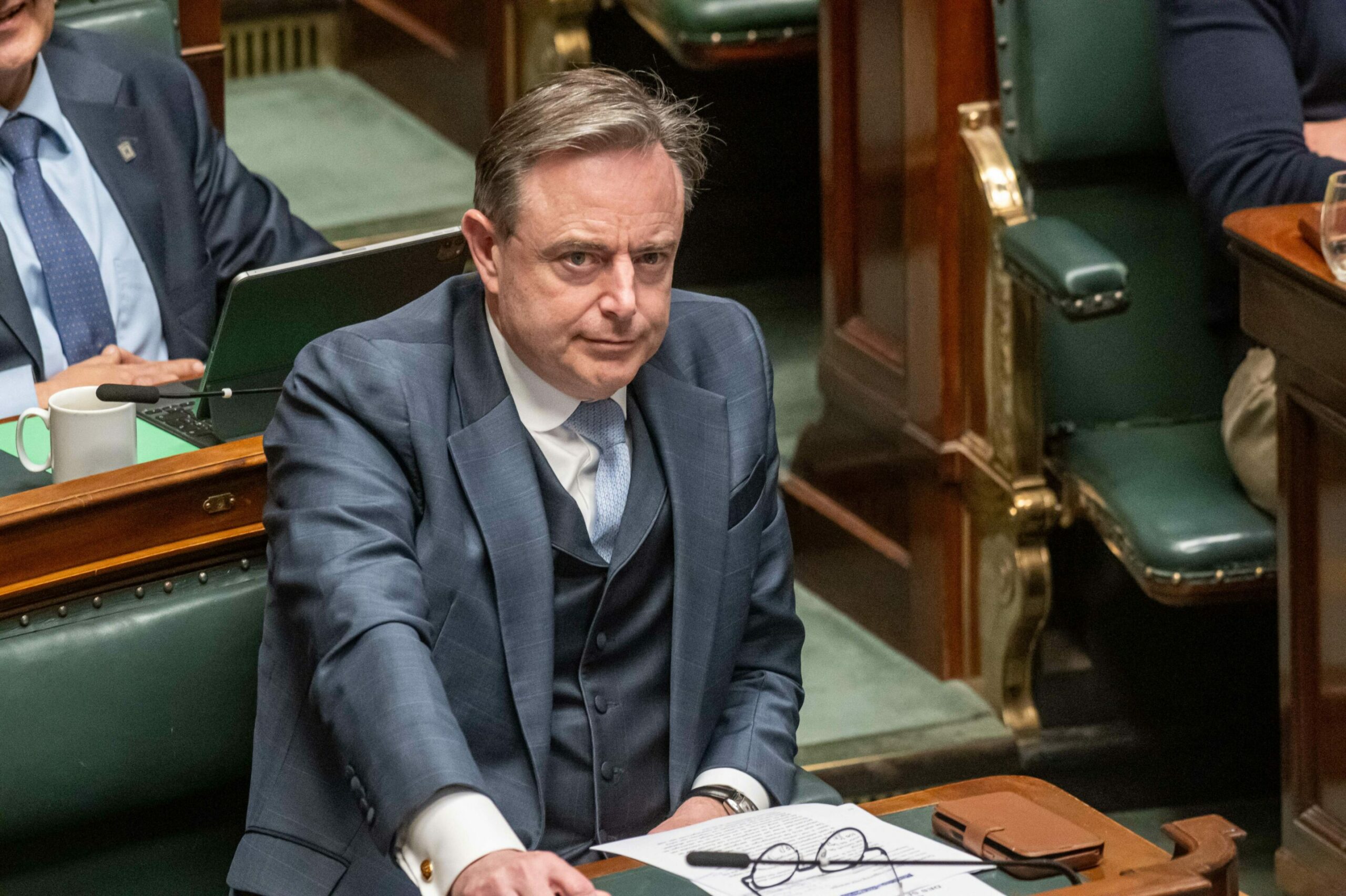
Prime Minister Bart De Wever (N-VA) in the Federal Parliament in Brussels, on Thursday 2 April 2026. Credit: Belga/Jonas Roosens
Two weeks ago, the Federal Government decided that it wanted to do something for two target groups who are struggling. The first group are vulnerable households that heat their homes using fossil fuels, the second are those who rely solely on their own cars to get to and from work.
But threats, such as those from MR, do not help anyone move forward, stressed De Wever.
"I would avoid communication that creates huge expectations among the public that a massive support package is on the way," he said. "There is absolutely no budgetary scope for that."
He emphasised that with the dire state of Belgium's budget, it is "simply not sensible" to promise energy support measures. "If there is a 'supply shock', you should not start supporting demand. That is like adding fuel to the fire."
What's on the table?
A few weeks ago, the Flemish parties Vooruit (socialists), CD&V (Christian Democrats) and MR already wanted to introduce a "reverse ratchet" system. Under this system, excise duties would fall if prices at the pump rise too much.
However, De Wever quickly spoke out against that proposal. His N-VA party does not want to "fall into the trap" of distributing support funds "too quickly and too widely" – which is what the previous Federal Government, led by Prime Minister Alexander De Croo, did following Russia's invasion of Ukraine.
For the first group of people (employees without a company car), one option being considered is an increase in the maximum mileage allowance for commuting. Currently, this allowance stands at €0.43/km.
According to Vooruit, the Federal Government must support companies to bear this additional cost.
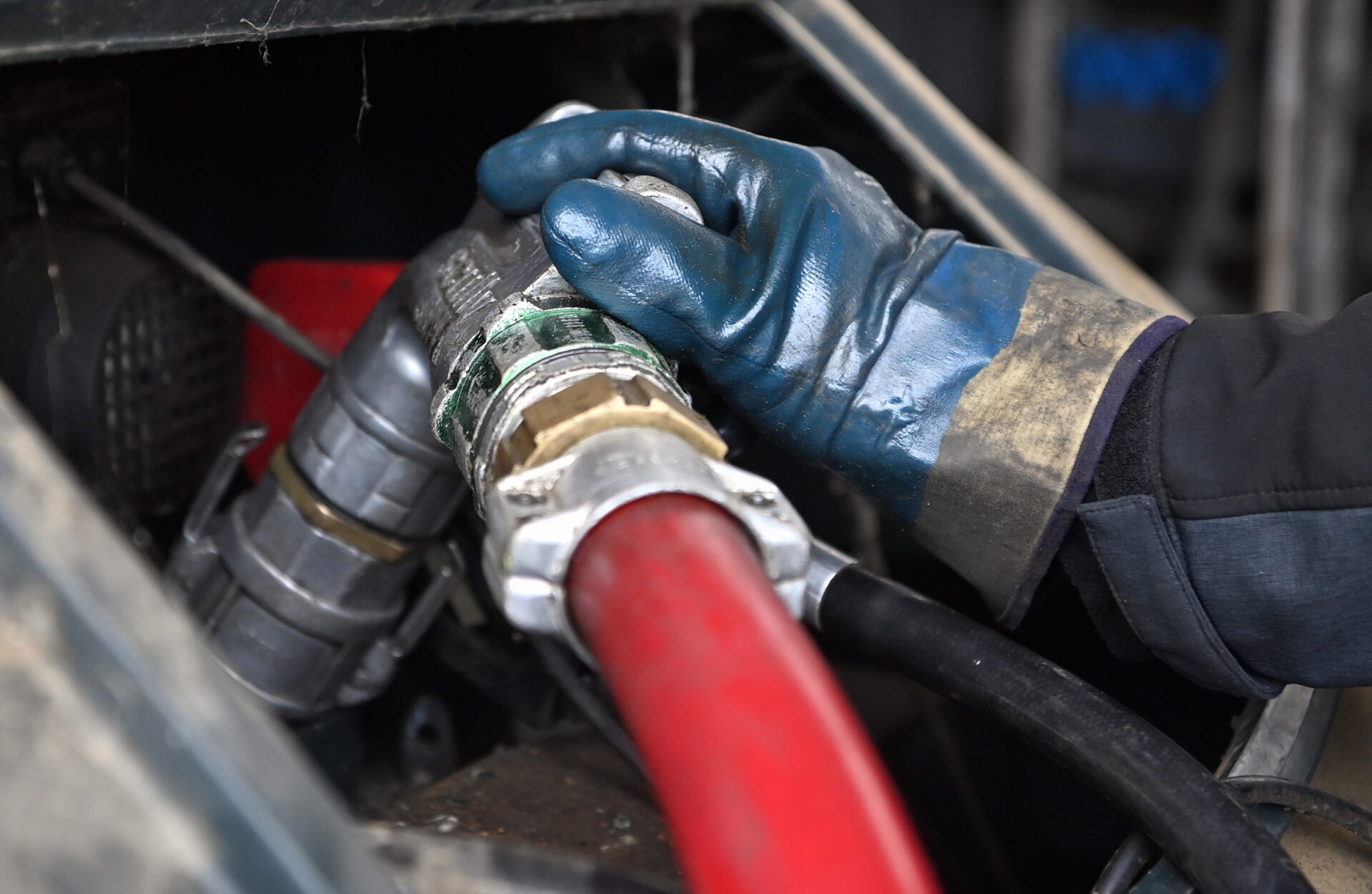
Credit: Belga / Eric Lalmand
Another option is to increase the tax exemption on commuting allowances, which are currently exempt up to €500 per year. While this measure is relatively straightforward, the effect would only be felt later.
To make sure people would feel some impact sooner, consideration is also being given to extending meal and eco-vouchers, according to L'Echo. Temporarily, these vouchers could then also be used to purchase fuel.
For the second group of people (vulnerable families who heat their homes with heating oil or gas), a direct discount on the energy bill would be an option.
A similar measure was taken during the 2022 energy crisis by the previous Federal Government, but this would be more targeted. L'Echo reports that a one-off payment of €300 has also been suggested.
How to pay for this?
In short, there is no shortage of proposals. But how much should the support measures cost, and how would the Federal Government pay for them?
According to Bouchez, allocating €50 million should be possible. "It will not alter this government’s budgetary trajectory," he told VTM Nieuws.
For Vooruit, the bar is set higher: they are calling for the introduction of a windfall tax on companies profiting from this crisis – not just energy firms, but banks, for example. The party believes that it is only logical that they do their bit in times of crisis. The support would be financed by the proceeds.
Coalition partner Les Engagés (French-speaking centrists) are also advocating an excess profits tax, but at the EU level and for energy companies. Germany, Italy and Spain are also calling for this.
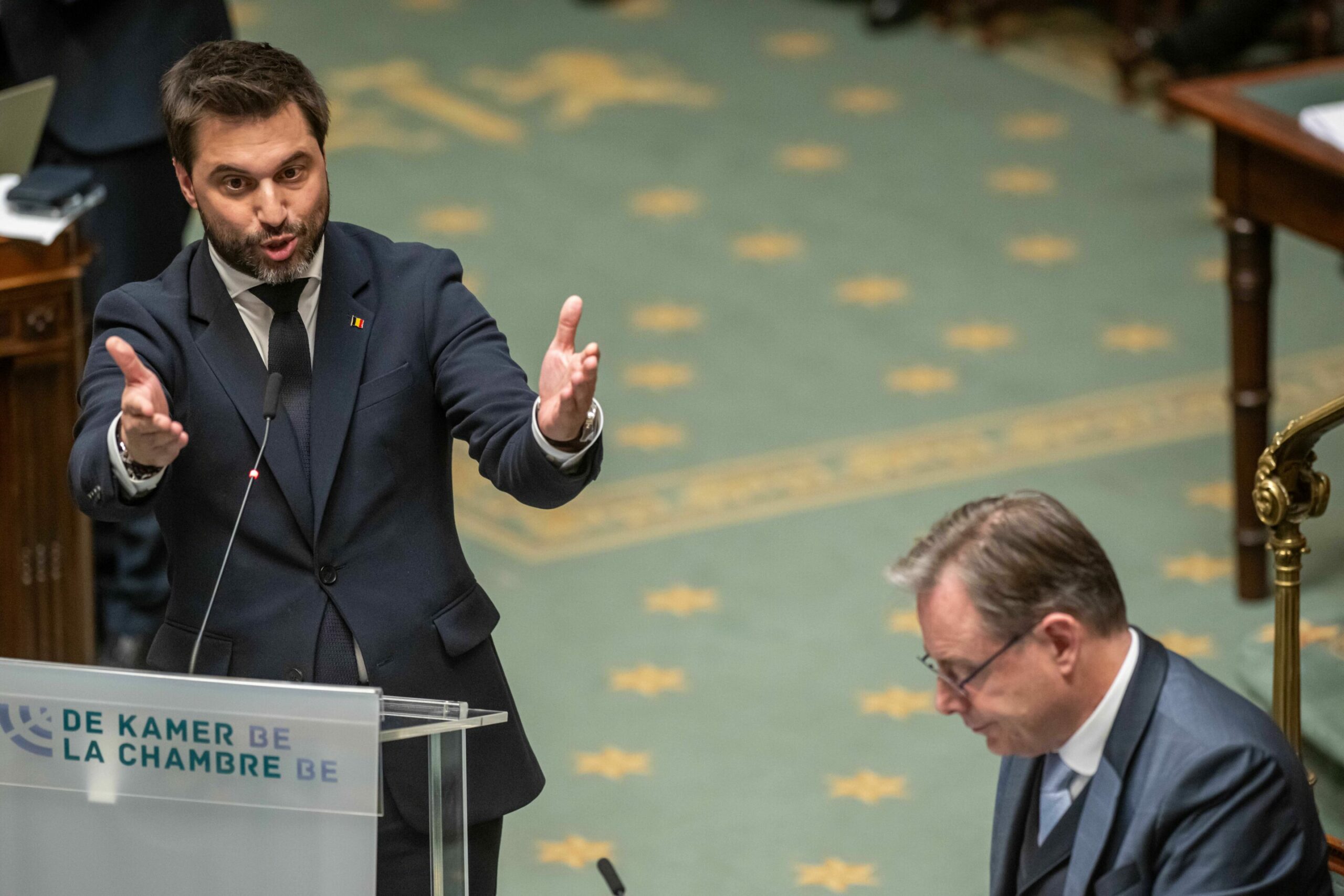
MR leader Georges-Louis Bouchez and N-VA's Prime Minister Bart De Wever in the Federal Parliament in Brussels, on Thursday 2 April 2026. Credit: Belga
In the Netherlands, Prime Minister Rob Jetten's government is aiming for a support package of nearly €1 billion, for citizens and businesses. Among other things, this includes an increase in the mileage allowance and a reduction in road tax for certain businesses.
While it seems unlikely that N-VA will be in favour of something similar at the Belgian level, they might be more open to this sort of measure at the EU level.
A European Council meeting on this is scheduled for 23 and 24 April. By then, there might also be more clarity regarding the geopolitical developments in Iran.
