
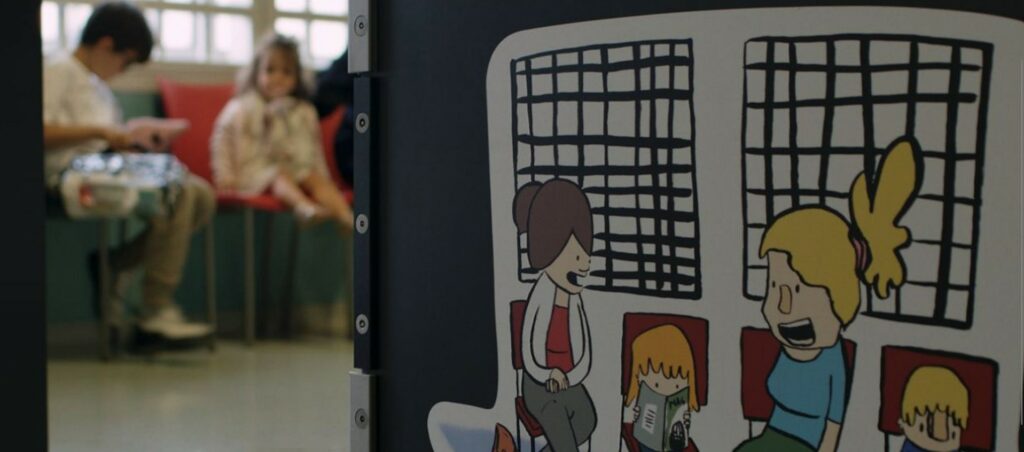
Every year, an estimated 17,000 children in Belgium grow up with a parent in detention. Yet these children remain largely invisible in policy, justice and prison practice, according to recent academic research.
Little account is taken of the fundamental rights of children of detained parents during detention, despite their generally high impact, according to a study by VUB researchers Joyce Albrecht, An-Sofie Vanhouche and Bart Claes.
"Children have diverse and often complex needs, because no two situations are the same. A standard approach does not suffice," said researcher Joyce Albrecht.
"There is a need for a broad range of support that can be deployed flexibly and tailor-made. And at least as important is that their fundamental rights are respected," she added.
Diverse needs, tailored approaches
Children with a parent in detention face a variety of challenges, including potential stigma, fear and intense emotions, as well as difficulties in school or social isolation. At the same time, many of these children show remarkable resilience.
Their needs differ according to their situation, the researchers stressed. Some need contact with their parent, others need support figures, clear information or just privacy.
According to the study, these needs are closely linked to the exercise of their fundamental children's rights, which are often under pressure in this context.
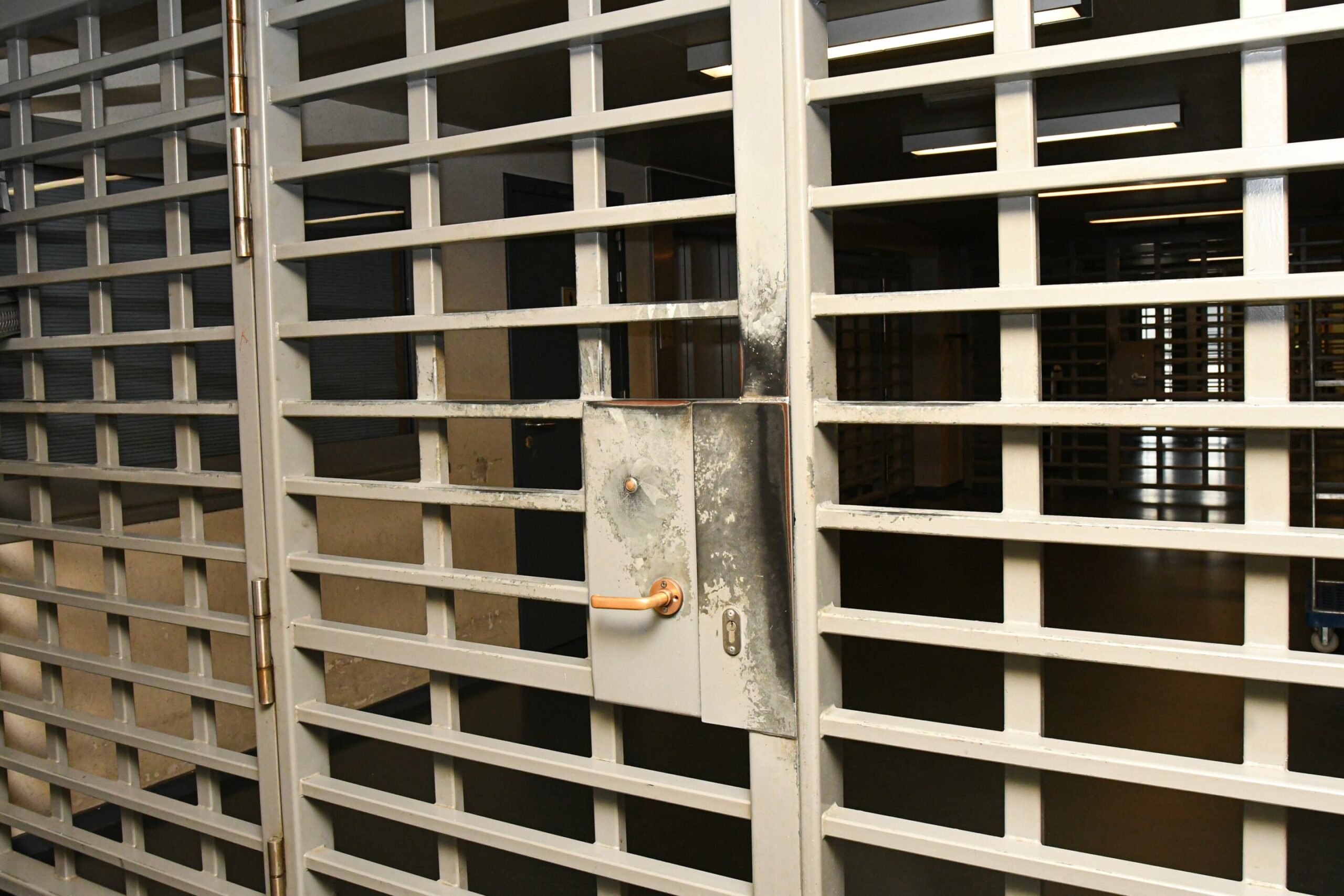
A closed door pictured at a visit to the Hasselt prison, Friday 9 February 2024. Credit: Belga/Jill Delsaux
Belgium ratified the UN Convention on the Rights of the Child, which states that children should not be harmed because of actions of their parents, the best interests of the child should be a primary consideration, children have a right to contact with their parent, and children should be heard in decisions that affect them.
Yet the analysis shows that these rights are not systematically integrated into criminal justice and penitentiary policies.
For example, children are not structurally taken into account in sentencing, are rarely heard directly on measures affecting their family life and are indirectly affected by decisions such as transfers or sanctions against the parent.
Their position is usually through the rights of the incarcerated parent, not as autonomous rights holders.
Strong differences between prisons
The study also shows that there are wide differences between prisons, in practice. Support and contact with the parent are unevenly organised: each institution takes its own approach and offers different parent-child offers.
For example, the child-friendliness of visiting rooms varies widely, family counselling is only available in a limited number of prisons, and access to contact and support is not equally accessible or affordable for all children.
Although fathers could legally also have young children with them during detention, in practice, only mother-child units exist – confirming implicit gender stereotypes around care.
Additionally, the other parent or care facilities often act as gatekeepers, without always clearly taking into account the child's wishes. As a result, contact between fathers and children can be complicated or, if desired, not restored.
This significantly limits the opportunities for children to maintain a close relationship with their detained father.
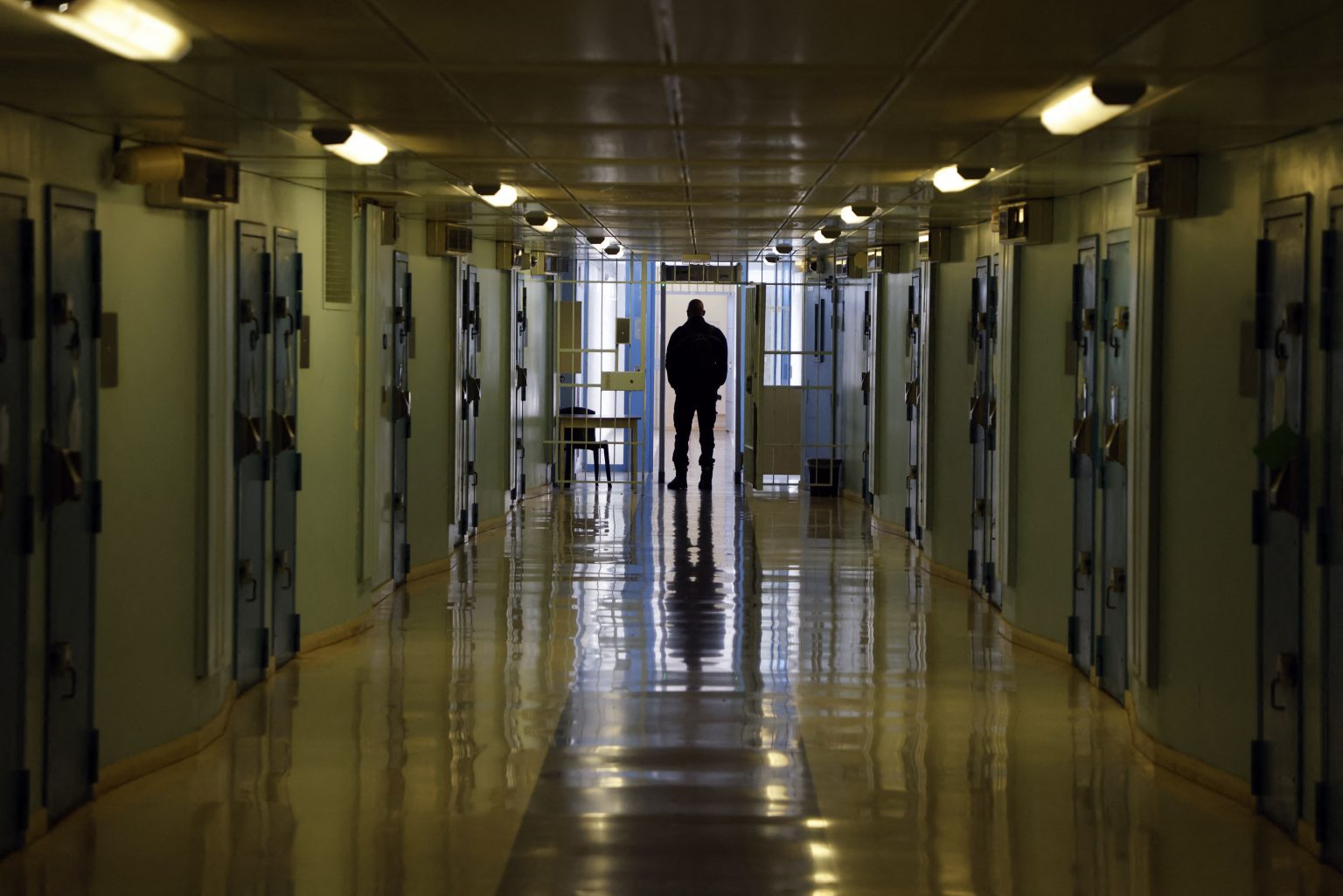
Credit: Belga
In 2018, the Council of Europe formulated recommendations to better take into account the rights of children of detainees, such as placement closer to where children live, child-friendly visiting environments, staff training and alternatives to detention for primary care parents.
The study concludes that these guidelines are only patchily and limitedly applied in Belgium.
"Our conclusion is clear: the impact of detention on children today is still too often seen as an unavoidable side effect, while in reality it is a structural lack of information, support and guidance," Albrecht said.
"Therefore, a systematic integration of children's rights into sentencing, transfer decisions, visitation policies and sentence implementation is imperative," she said. "Children are not 'fringe figures' but an explicit group of rights holders within justice policies."
