
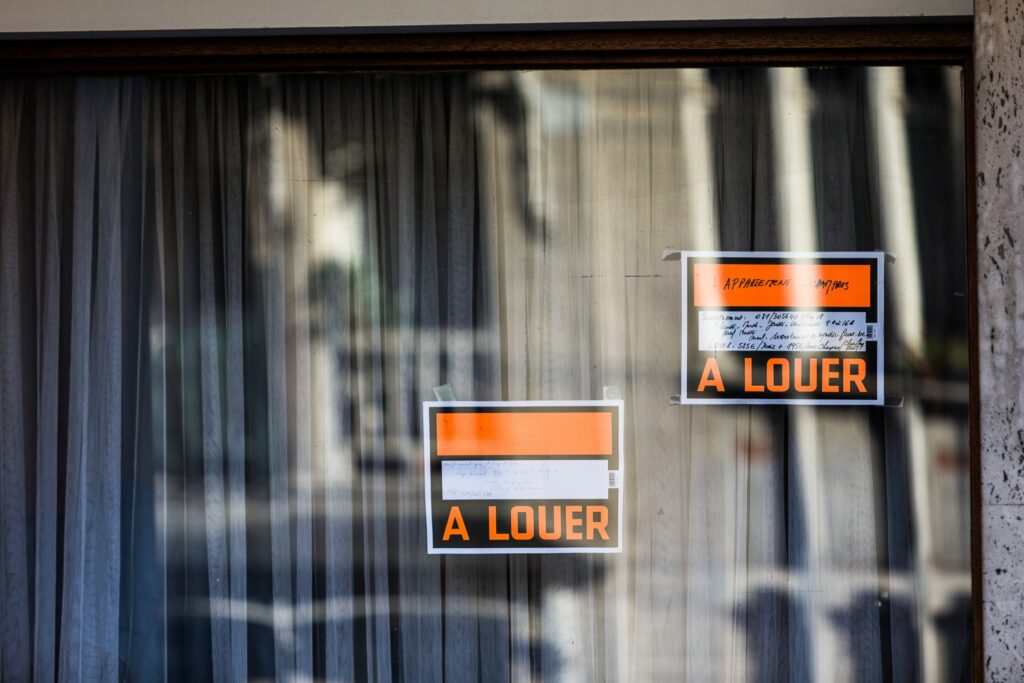
Housing costs are taking up an ever-larger share of Brussels households’ budgets, according to a new analysis by the Brussels Institute for Statistics and Analysis (BISA). Lower-income households are particularly hard hit.
Brussels families spend an average of 34.6% of their budget on housing – including rent, maintenance costs, water and energy bills, and minor repairs. This share is significantly higher in Brussels than in Flanders (29.9%) and Wallonia (30.5%).
"In the Brussels-Capital Region, house prices and rents have risen faster than the cost of living in recent years. This trend is making it increasingly difficult for more and more households to find a home," the BISA institute said.
These rising costs particularly hit households on lower or limited incomes. In Brussels, the households with the 25% lowest incomes spend an average of 43.8% of their budget on housing. In Flanders and Wallonia, the figures are 37.8% and 37.3%, respectively.
Structural pressures
A report by Federia, the Federation of French-speaking Real Estate Agents in Belgium, released earlier this year, showed that affordable rental properties are "disappearing rapidly" in Brussels.
The federation highlighted that 76% of landlords in Belgium are small investors, typically individuals owning one to four rental properties.
While rent levels stabilised to an average increase of 3.7% in 2025 (following sharp rises in 2023 and 2024), the supply of rental properties continued to decline – exacerbating structural pressures on the market. Average rents for apartments in the Belgian capital exceed €1,300, according to Federia's figures.
"The lower a household's disposable income, the greater the proportion of the household budget spent on housing costs," said BISA. "This trend is observable in all regions."
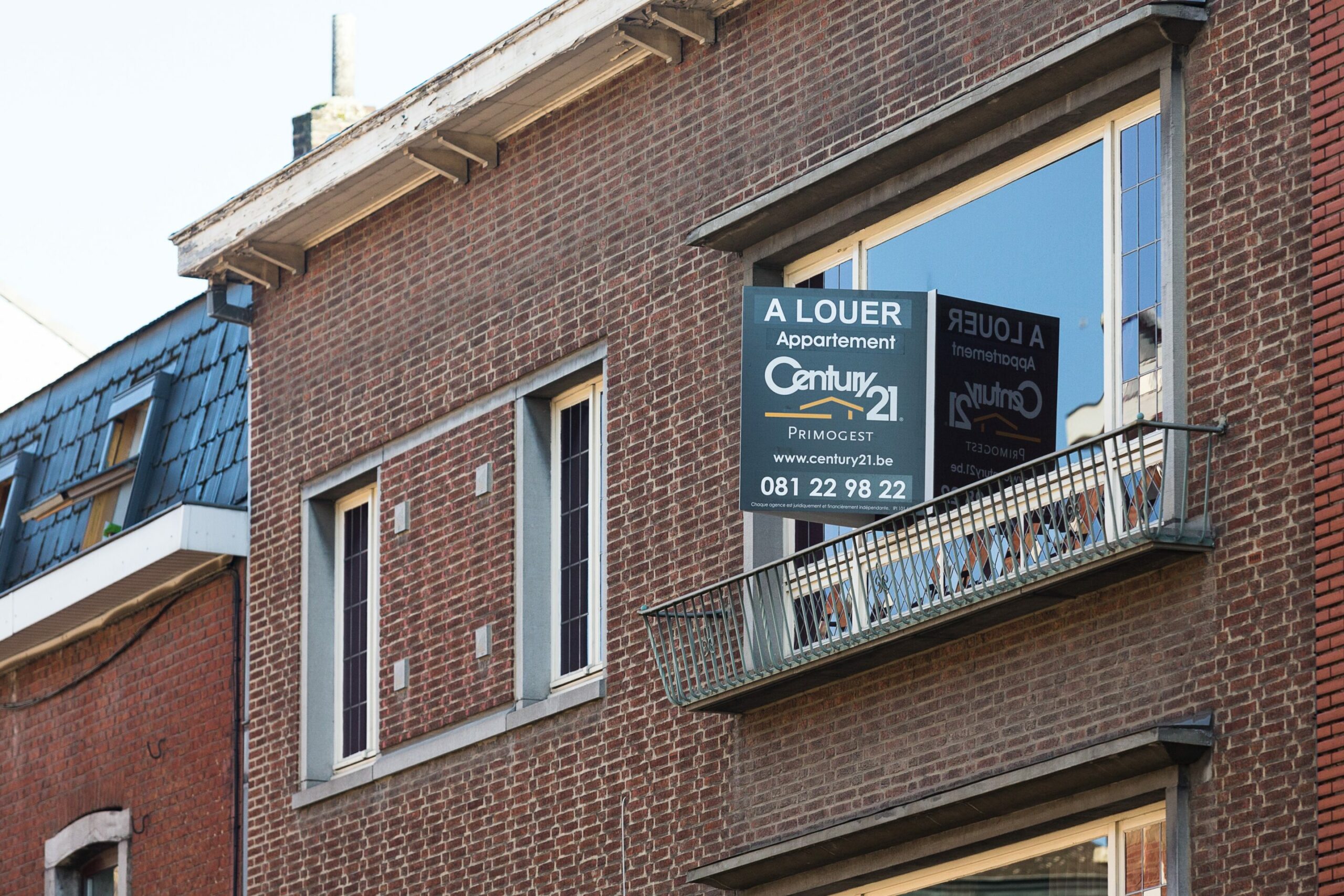
For rent. Credit: Belga/Siska Gremmelprez
Logically, the proportion of housing costs falls as income rises. Still, while the proportion of housing costs is lower for those with a higher income, the pressure remains considerable even there: in Brussels, the top 25% of earners still spend an average of 29.3% of their budget on housing.
With property owners in Belgium now having the right to verify whether their prospective tenants have an income that amounts to at least three times the rent, these figures do not bode well for many would-be residents.
Interestingly, fewer Belgians reported difficulties making ends meet last year, according to the latest figures by Belgian statistics agency Statbel. In 2025, this figure stood at 37.8% of the population – a 6% drop compared to the 43.6% recorded in 2022.
The Household Budget Survey is conducted every two years by Statbel. For the 2024 edition, 651 Brussels households were surveyed, alongside nearly 3,000 in Flanders and over 2,000 in Wallonia.
Regional differences
As usual in Belgium, the difference in levels between the different regions is particularly striking. In Flanders, just under one in three (32.1%) respondents reported struggling to make ends meet in 2025, compared with over two in five (44.6%) in Wallonia.
In Brussels, nearly half (49%) reported issues making it to the end of the month.
Statbel underlined that certain categories of people are more vulnerable and find it harder to make ends meet. Unemployed people (66.7%) and those unable to work (70.1%) say they will face difficulties in 2025, compared with 28.8% of those in work.
The situation for these different groups remains relatively the same across the various years.
The same applies to people on low incomes. In 2025, 61.8% of people in the lowest income quintile stated that they were struggling, compared with 14.6% in the highest income quintile.
