

Brussels is sweltering under this year’s first heatwave-like event with temperatures reaching well over 30°C this week.
Following the general northern European trend, Belgians are not huge air conditioner (AC) fans, according to Eurostat. So why is it the case, and how does the country cool its houses on hot days?
The many hurdles of artificial cooling
It is hard to find anyone who wouldn’t prefer a fresh AC-powered hideout from the midday sun during a heatwave – but there are good reasons why Belgium and Brussels specifically refuse to adopt it.
Historically, most residential buildings in the country and its capital were constructed to trap heat during long, damp, cold winters. Extremely hot spells during the summer are new for the region. The thick brick façades and dense stone walls are not the easiest to drill through.
These historic structures can turn something as simple as installing an AC into a logistical and legal nightmare. There are strict heritage preservation laws in place for many buildings, forbidding visible alterations to façades and noise pollution regulations.
Many renters in Brussels simply refuse to invest into a complex and costly system that they wouldn’t be able to take with them. But even if they do, they still need to persuade the building’s co-op board, as in many cases the external unit installation can require a nearly impossible majority of residents' consent.
Modern cultural values add an extra layer of complexity, as climate change-consciousness drives a new wave of rejection due to their perceived negative impact on the environment. But above all, running an AC is simply expensive for an average household.
Whether a curse or a blessing, achieving the American standard of nearly 90% of residential buildings having air conditioning, compared to 20% in Europe, is not on the horizon anytime soon.
Are air conditioners all that bad?
Traditional air conditioners are notoriously inefficient, as they trigger massive power surges due to a system of fixed stop-and-start cycles.
The energy they consume at the time of their peak used to be mostly fossil-fuel produced. If that wasn’t enough, they rely on harmful F-gases, more specifically hydrofluorocarbons (HFCs), that severely damage the global climate in case of leakage.
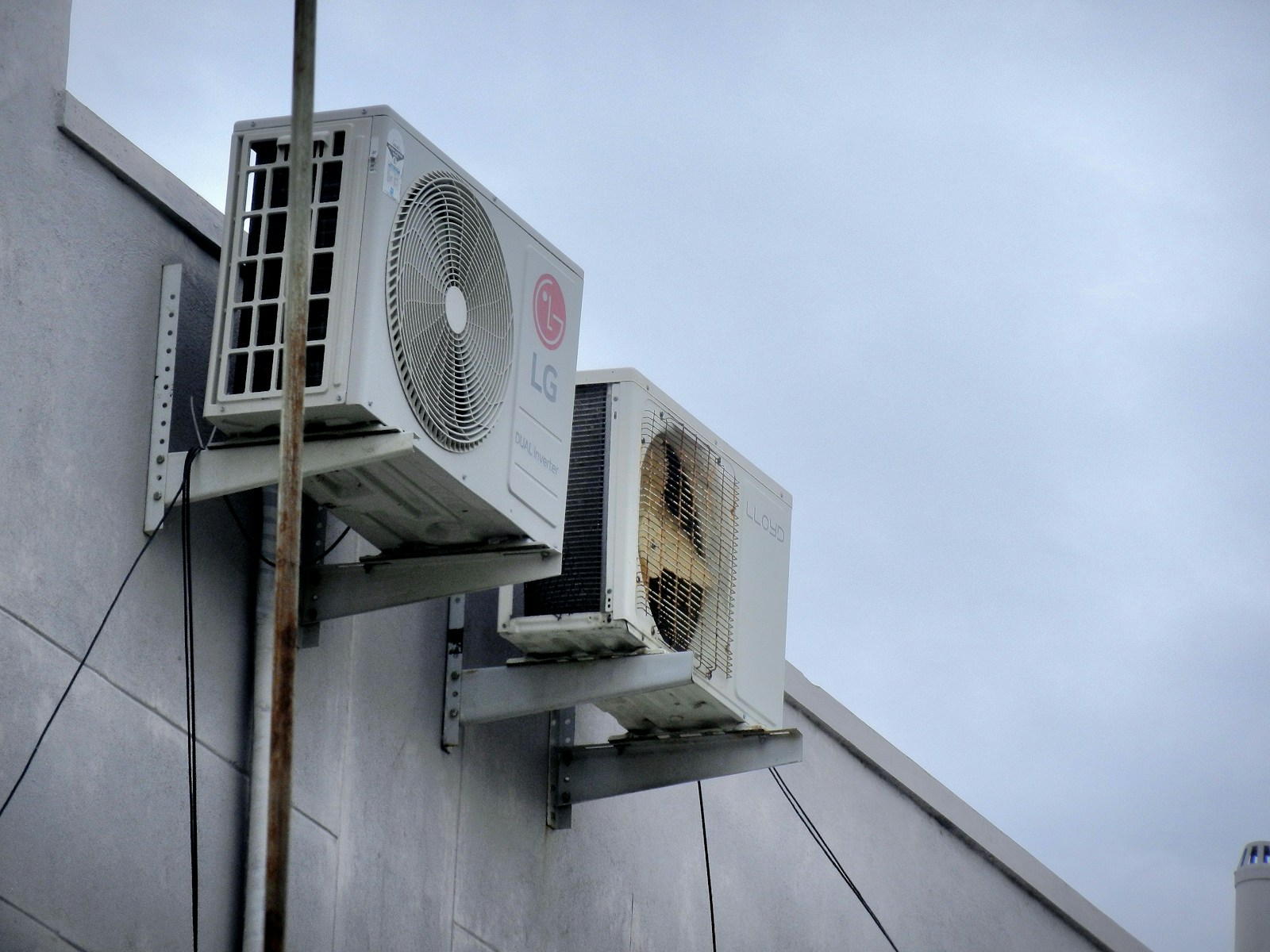
Furthermore, older units operating within major cities like Brussels contribute to the so-called urban heat island effect. They may be cooling indoors in one place, but they also pump intense heat out. This can cause big cities to have a locally higher temperature.
Credit: Unsplash
Modern inverter conditioners are a step in the right direction as they can adjust compressor speed to cut energy consumption drastically. The EU is also trying to phase out toxic refrigerants in favour of eco-friendly alternatives like propane.
But even then, the most efficient inverter unit will eat up significantly more than your average fan. The difference can reach as much as 12 times for fans against inverter ACs and 20 times against traditional ones.
Tips on how to deal with heat without AC
- Keep your windows and curtains tightly closed when the temperatures reach their peak. External shutters or blinds are even better since they can prevent the greenhouse effect.
- Once the air cools down outside, open up your windows for maximum air circulation. You can even open windows and doors on different sides of your house or apartment to create a draught, if the layout allows it. Just beware of mosquitoes and other bugs!
- A strategically placed standard electric fan, even a cheap one, can be a game-changer. The fan should point at you directly as it doesn’t cool the air, it just makes it flow. You can also freeze several water bottles and put them between yourself and the fan. This way, it will send cold air your way.
- If you overheat, you can soak your feet in a bucket or a basin of cold water. Alternatively, just run it over your wrists. Targeting pulse points helps lower your body temperature almost instantly.
- Avoid operating heavy household appliances like dishwashers, washing machines and especially ovens during the day. These devices generate residual heat that quickly warms up enclosed indoor spaces. Prioritise cold food and beverages.
- Household pets are especially vulnerable to heat as they cannot sweat like humans. Provide enough water and shaded areas for your animals. A damp towel can be placed on the floor for cats and dogs to lie on. Other pets may need their own special amenities.
- Long-term, the best cure for heat is proper home insulation and reflective window films. You will not need to get the heat out if it never gets in.
