
Chris Maene's face lights up when he talks about the Graf piano.
At 73, the West Flemish piano builder has more than 150 restorations and replicas to his name – but this one is different. In his workshop in Ruiselede, he is painstakingly recreating the instrument Ludwig van Beethoven played during the last year of his life: a period of failing health, total deafness, and some of the most transcendent music ever written.
By the mid-1820s, Beethoven had already premiered his Ninth Symphony to thunderous applause. He was playing on a piano by the prestigious London firm John Broadwood & Sons – until it needed repair. The Viennese maker Conrad Graf stepped in, building a replacement at speed. "Beethoven couldn't wait a year," says Maene.
Graf's solution was ingenious: four strings per note instead of the usual two or three, producing a volume and richness previously unheard of. The piano also spanned six and a half octaves. Beethoven was so taken with it that he kept playing the Graf even after his Broadwood was returned. "Graf was the Steinway of his time," says Maene. "Schubert, Schumann, Chopin, Liszt, Mendelssohn – they all played his instruments."
The piano was also a product of its moment. The instrument was still a novelty in the early 19th century, a technology that composers treated with curiosity – each innovation sparking fresh creative possibilities. "Beethoven was all about Sturm und Drang," says Maene. "He pushed instruments to their limits, sometimes literally, reaching for the very highest and lowest notes. Builders knew that a fuller sound required greater tension – more strings, more power."
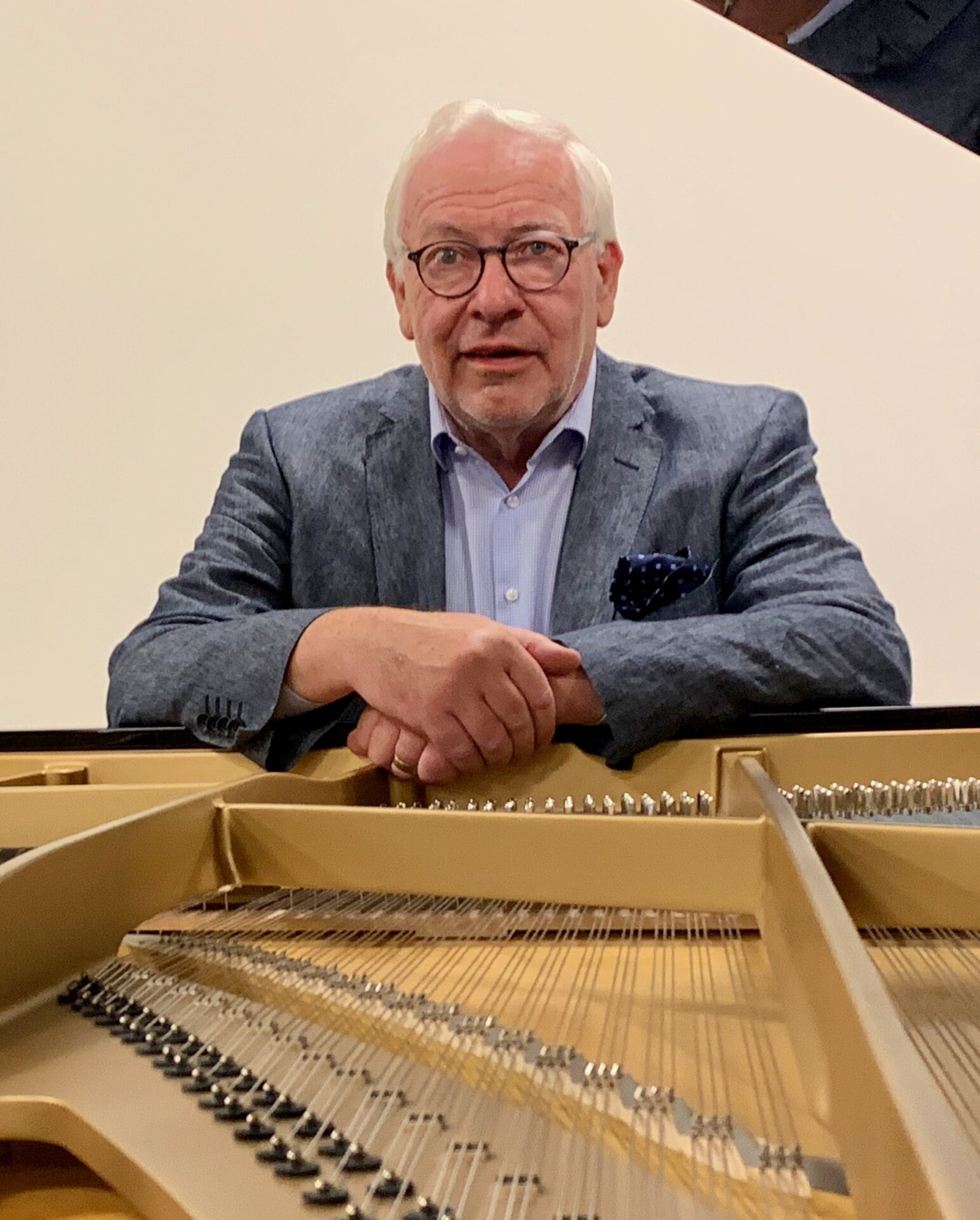
Chris Maene
Today, the original Graf is barely playable. Maene sat down at it briefly and pulls a face at the memory. "It was like a badly baked apple pie. If you know how one should taste, you notice straight away."
The initiative to build a replica came from Tom Beghin, a musicologist at KU Leuven and the Orpheus Institute in Ghent, who had previously collaborated with Maene on replicas of Beethoven's Erard and Broadwood pianos. "I thought it would be wonderful to complete the set," says Beghin. The Beethoven Haus in Bonn agreed – and with the bicentenary of this composer’s death approaching in 2027, agreed to grant the pair rare access to the original instrument.
That access was hard-won. The Beethoven Haus is famously protective of its holdings, and Maene's credentials were essential. He has built around a dozen Graf pianos and owns four original examples. "Museums want people they can trust," he says. The responsibility weighs on him. "I don't want someone saying in ten years that it still needed work."
Digital map
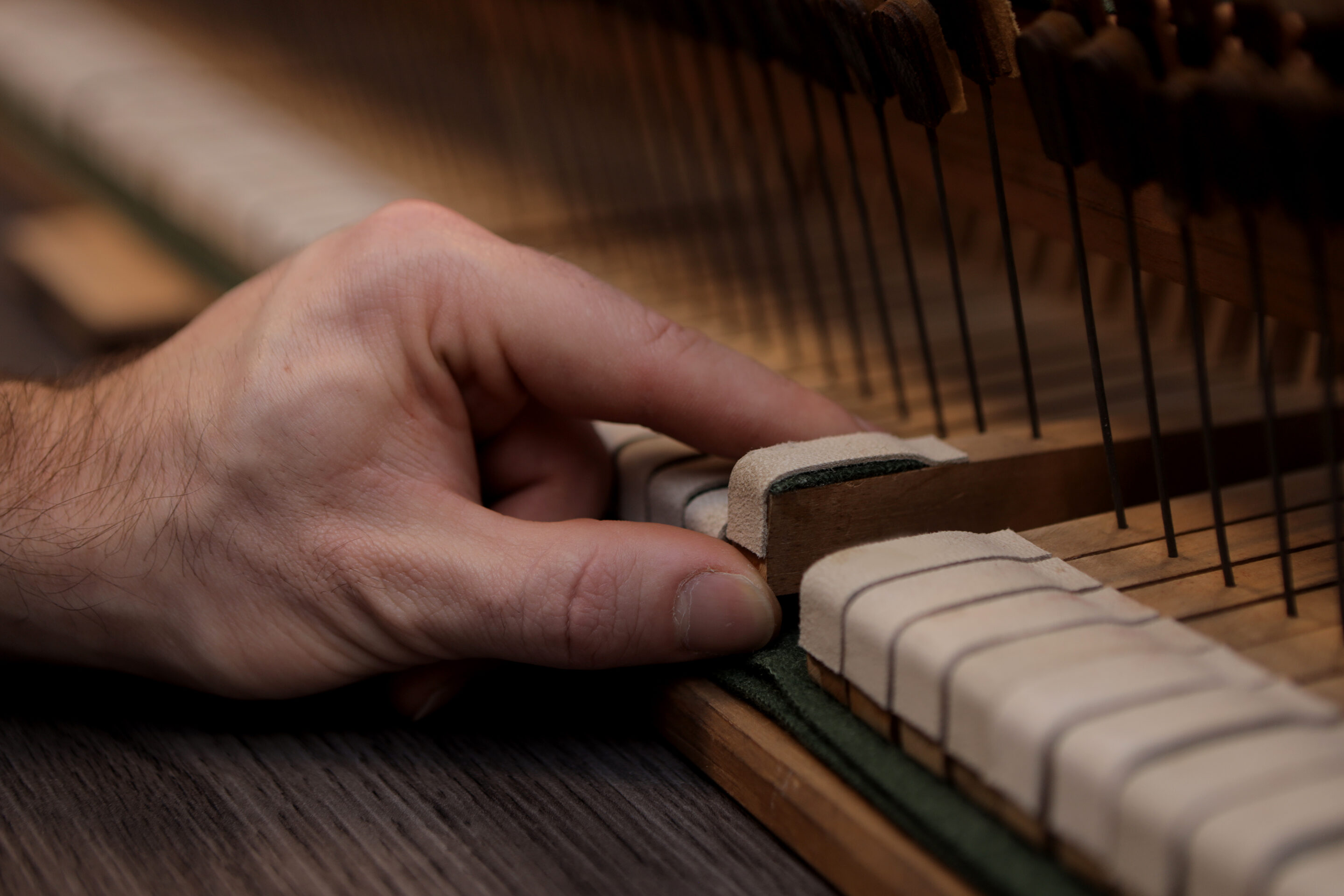
The process, Maene says, is detective work. Every centimetre of the instrument is mapped and digitised before anything is touched. Previous restorers have not always been so careful – well-intentioned interventions have left their mark. "If you're restoring an instrument from 1770, you shouldn't use techniques from 1820," he says. "Wrong strings, wrong tension, and the whole thing warps. You can hear it."
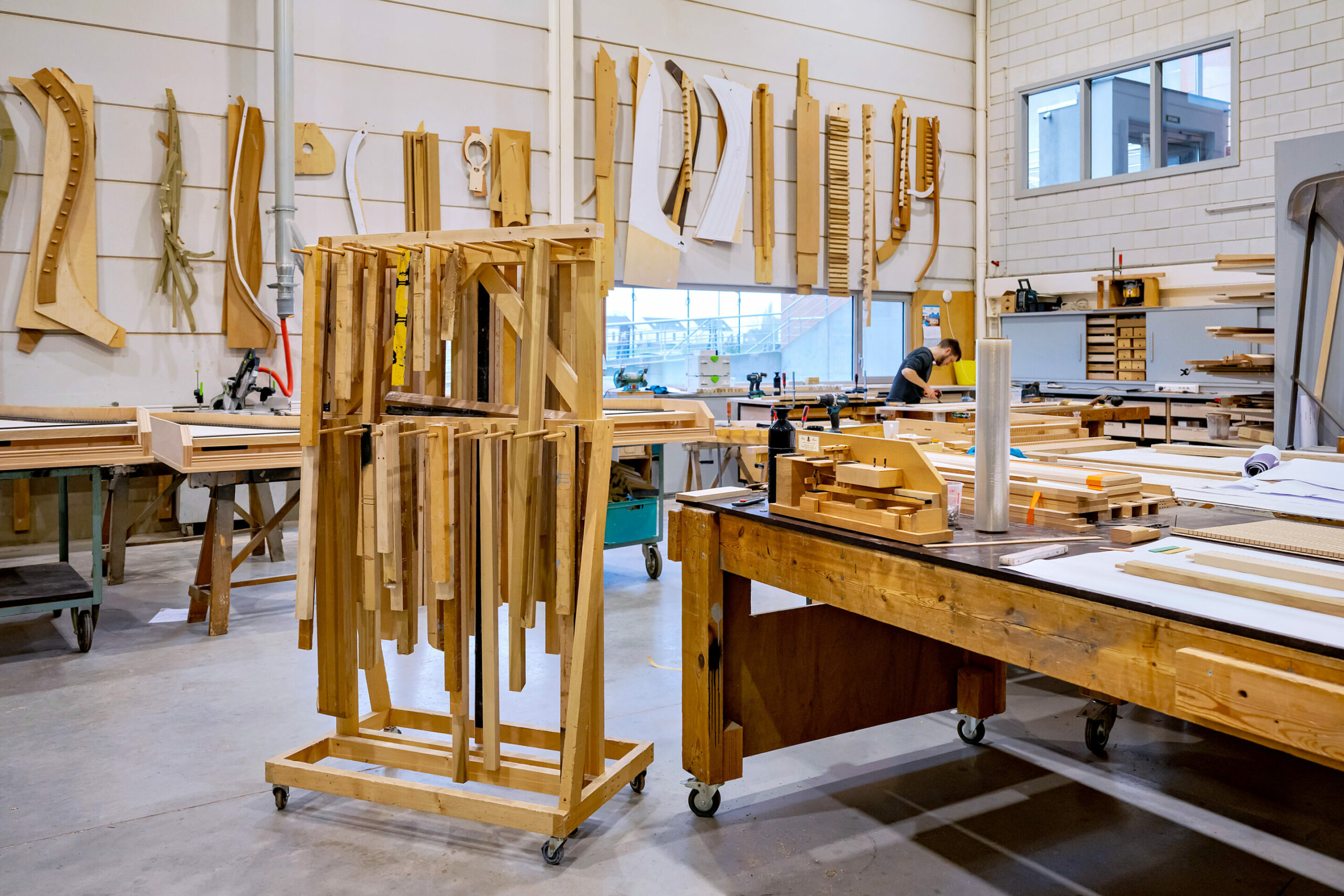
Chris Maene's pianobuilding workshop
Even decorative details matter: a floral motif on the cabinet has partially vanished, but traces of the original fittings remain visible beneath the hinges. "We keep investigating until every detail is right," he says. "It's like building a house – you have to get the foundations absolutely right before you can raise the walls."
Maene came to the trade as naturally as anyone could. His father was an organist and piano teacher who ran a shop out of the family home; musicians were always passing through. By the age of six, Maene was tinkering in the workshop.
At 16, he built his first harpsichord during the school holidays – an achievement his English teacher flatly refused to believe. "He crossed the word out in red. 'You've looked it up wrong in the dictionary,'" Maene recalls with a grin. He brought the instrument to school. The teacher had no choice but to concede. Five years later, Maene built his first piano – a copy of a 1794 pianoforte – entirely alone, with little reference material available. It was shown at the Musica Antica festival in Bruges. The commissions followed.
Piano forte
Today, his workshop is among the most prominent in Europe for historical instruments, with 60 to 100 specialists working in the field worldwide. Maene is circumspect about the future of the craft. "Most have no successor, no workshop. We have trained staff, which gives us continuity – and continuity gives us experience." He is also restoring Richard Wagner's 1876 Steinway grand piano for the 150th anniversary of the Bayreuth Festival and has recently taken on a commission from the Sibelius Museum in Turku.
As for the piano's broader fortunes, Maene is bullish. The idea that the instrument is in decline – overtaken by synthesisers and screens – strikes him as wrong. "People are playing more piano now than they did ten years ago," he says. "You can learn via an app, via YouTube, in a music school, on TikTok. Since the 1970s, pianos have become far more affordable, and that evolution is continuing."
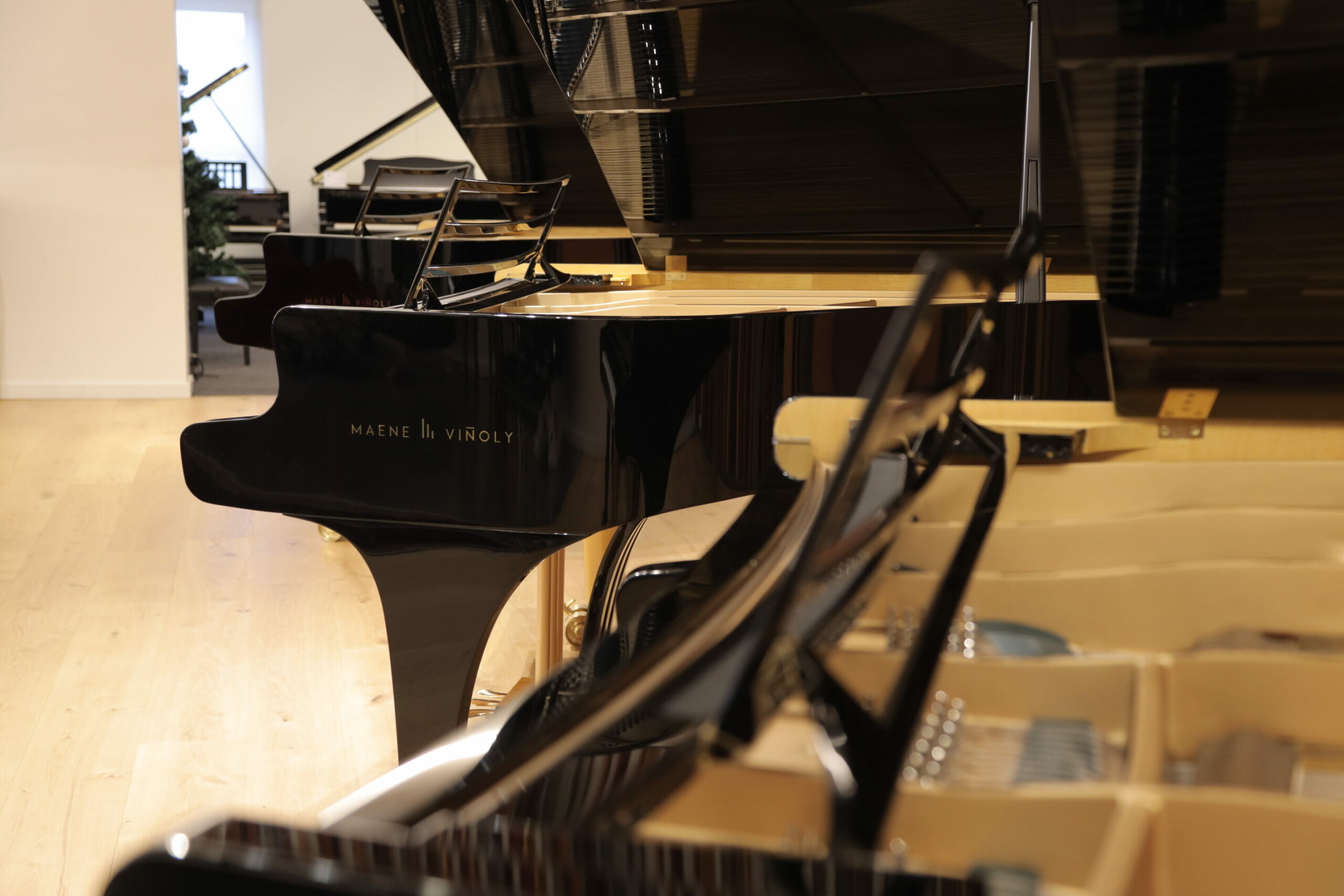
Chris Maene straight strung vinoly
Maene has placed instruments in Zaventem Airport – free for anyone to play – and runs three museums across Belgium, including one in Saint-Gilles, Brussels, focused on Belgian piano-making. The company's collection runs to 300 historical instruments.
The deadline is April 14, 2027. On that date, Tom Beghin will perform on the completed replica at the Concertgebouw in Bruges. Maene will play the instrument only to check the sound. "I'm not a great pianist," he says, with a brief smile. "I've always been better at tinkering and drawing. But then – how many pianists can say they're an excellent piano builder?"
After the premiere, the replica will remain with the Orpheus Institute for five years before touring Europe and taking up permanent residence at the Beethoven Haus in Bonn, where it will be both displayed and performed on. Some 200,000 people visit each year. Maene's face, once again, lights up.
