
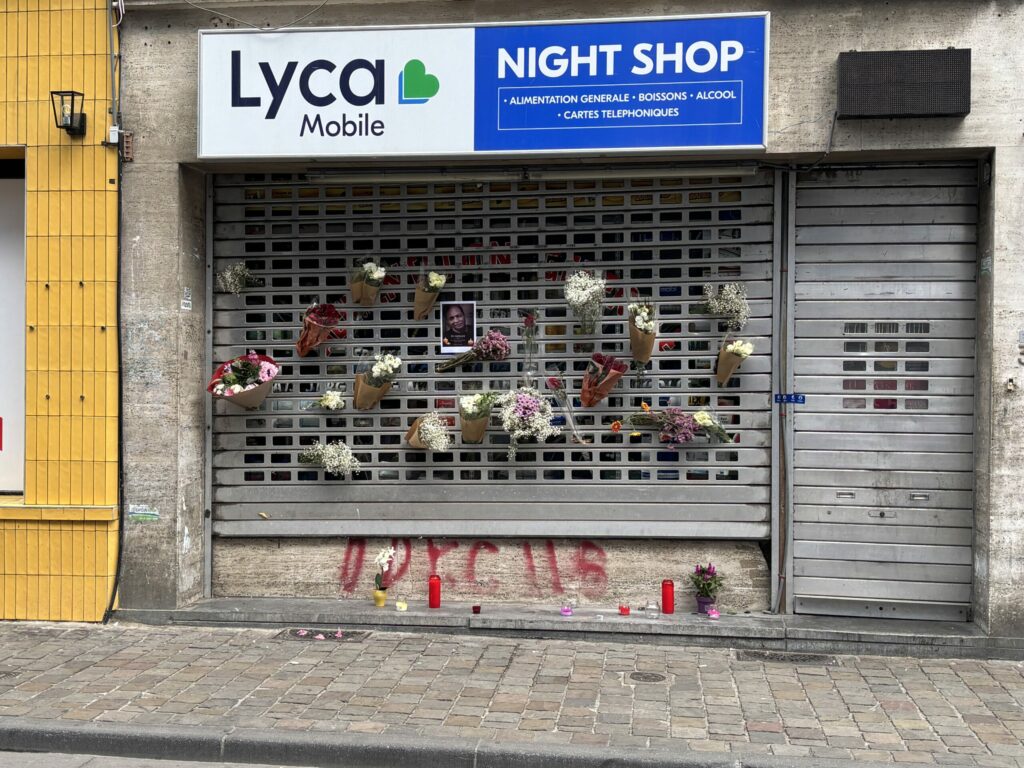
After the death of a beloved nightshop owner in the Matongé district of Ixelles earlier this week, nearby shopkeepers are sounding the alarm about safety and security in the area.
Jaswinder Singh, 67, was killed in a violent robbery at his shop in the early hours of Tuesday, 4 August. It is believed that the perpetrators forced their way into the nightshop and tied up Singh’s wife in the cellar. She later found her husband’s body upstairs after she successfully freed herself. The exact circumstances of the incident have not yet been established.
Singh and his wife were well-known in the neighbourhood. Residents interviewed by Belgian media say he was “the nicest shopkeeper in the neighbourhood” and affectionately dubbed him “Papi”. They blamed crack-cocaine users, who they said have blighted life in the neighbourhood.
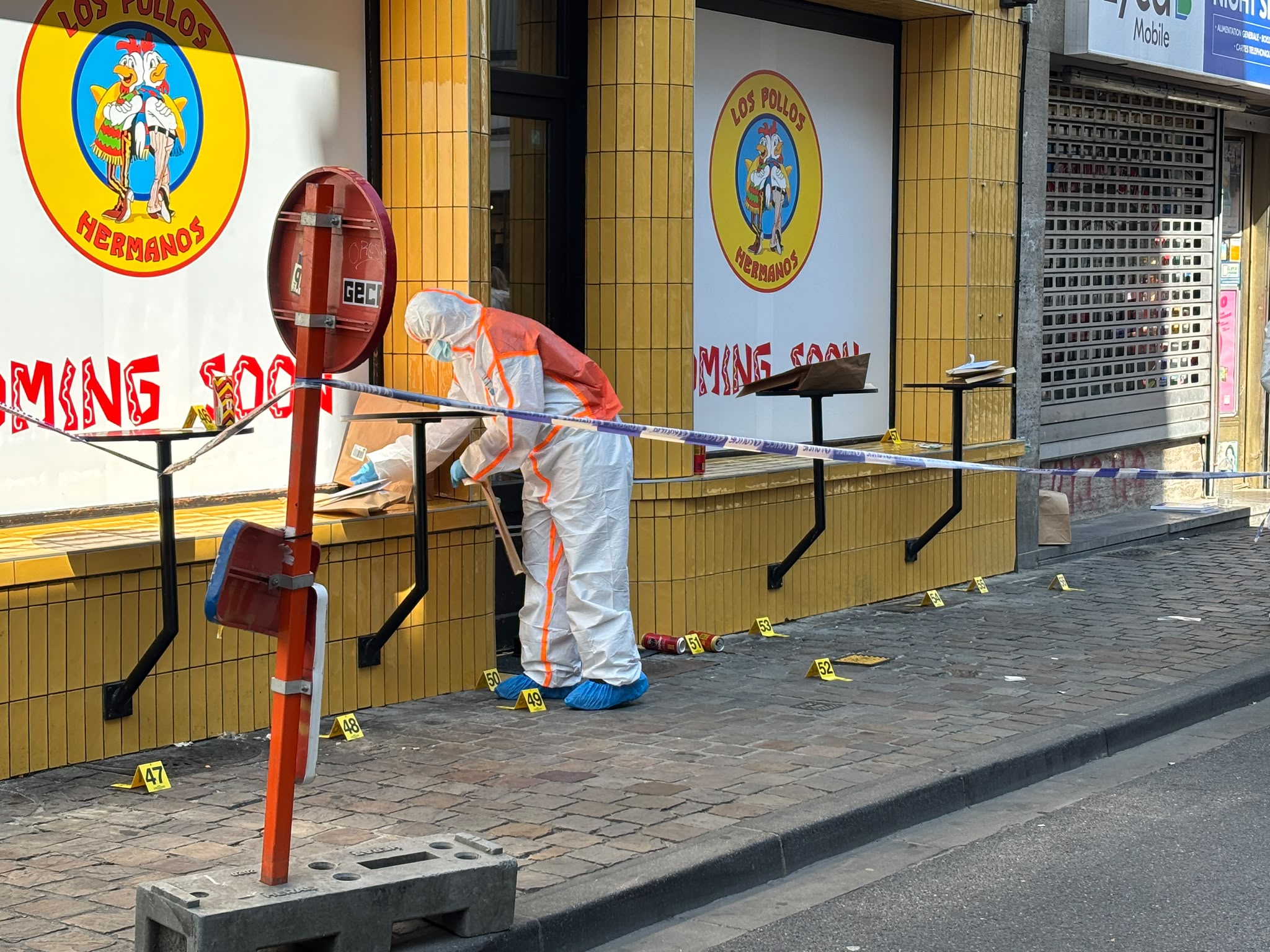
Evidence being collected outside the nearby restaurant after a nightshop owner was killed on Rue de la Paix in Ixelles on Tuesday 4 August 2026. Credit: The Brussels Times
'We feel powerless'
Singh, who was of Indian origin, ran the nightshop with his wife for 30 years and had become a fixture on the busy Rue de la Paix.
Many of the shopkeepers we spoke to on the street lamented the current state of the neighbourhood. Some say they have become accustomed to it. "That does not mean we have accepted it, but we feel powerless," one tells us.
Leïla, 30, runs a sushi restaurant near Singh’s nightshop. Speaking to The Brussels Times, she says she is still in disbelief at how things got "real” very rapidly. “I had been to his shop on the same night he was murdered. The next morning, I arrived, and it was a crime scene," she says.
Her restaurant is open until 23:30. She says that drunk people and drug users regularly come into the restaurant, visibly disoriented. She and her staff have to stay calm, because “one word could make the situation escalate,” she says. She considers herself lucky that so far, nothing has happened to her or her colleagues.
On her way to the tram station to get home, Leïla walks on "high alert", looking left and right, afraid that she might become a victim of intoxicated men. “It's very intimidating,” she says.
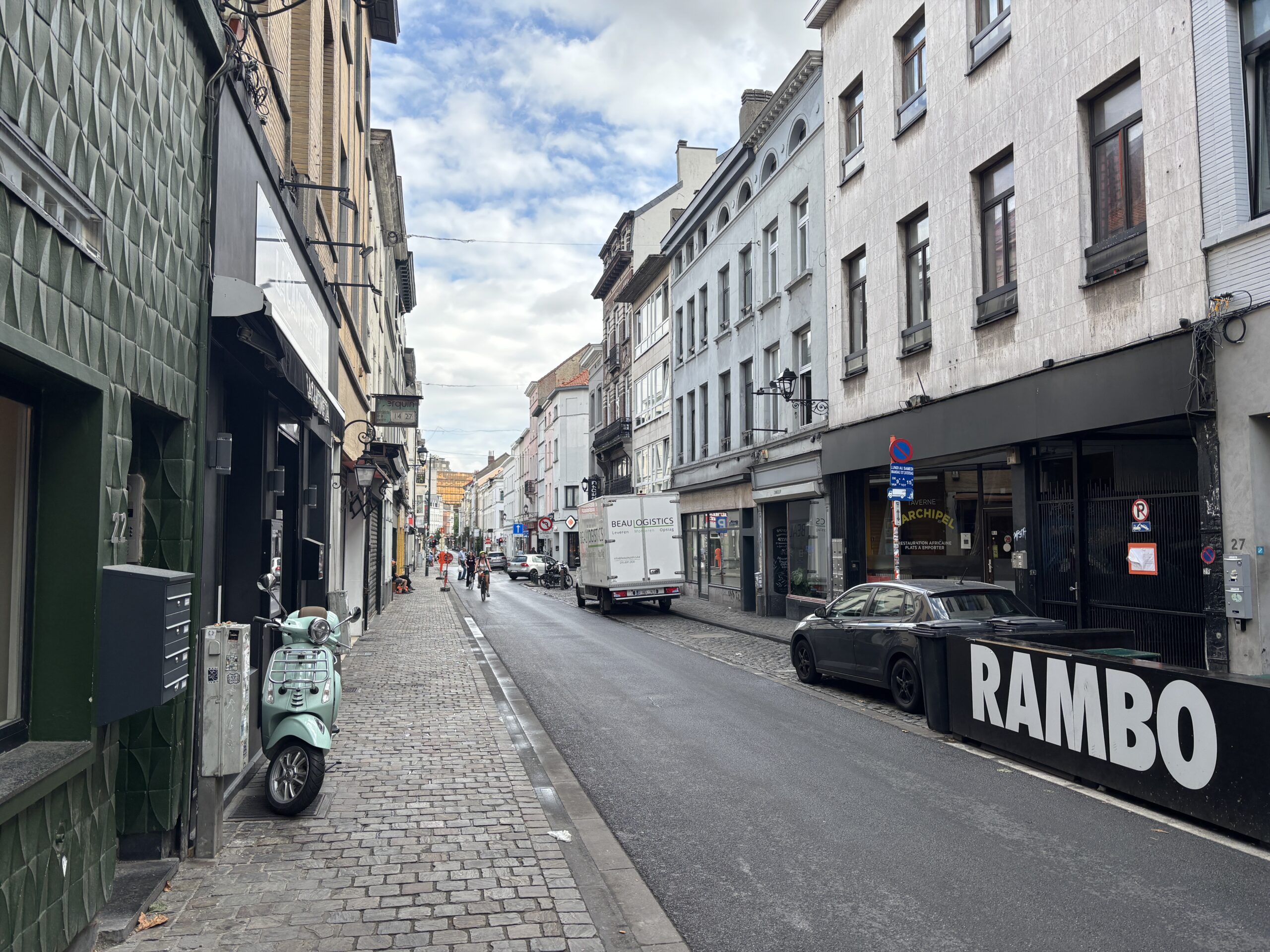
Rue de la Paix host a variety of shops and restaurants and has a quite dynamic nightlife. Credit: The Brussels Times/ Anas El Baye.
A narrow street less than five meters wide separates Singh’s night shop from Radowan’s shop. Radowan, 25, had operated a nightshop for three years before turning it into a normal convenience store last year following multiple incidents.
The straw that broke the camel’s back was a shooting where a bullet almost pierced his shop on in May last year. He recalls conversations with Singh at the time about installing cameras inside their shops. Radowan claims Singh did not have CCTV installed.
Behind a nervous smile, Radowan tells The Brussels Times he is worried. “The area has changed noticeably. Violence has increased," he says.
“It has got worse,” he adds. “There were always drug users and dealers, but never like this”. On multiple occasions, he has called police about drug dealing outside his business. “They came and cleared the area, but dealers came back the next day."
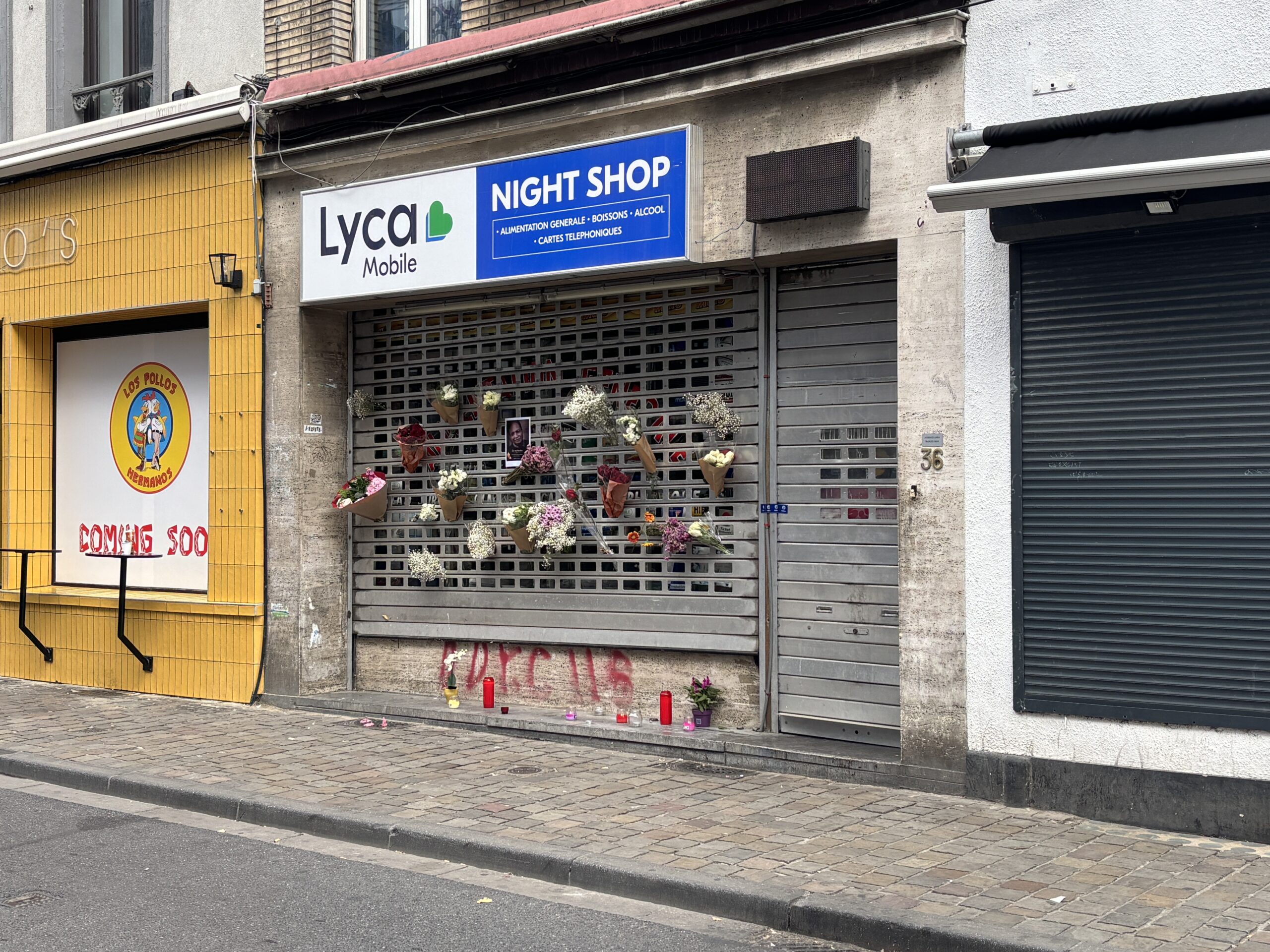
Flowers, candles and handwritten tributes now stand outside the night shop where Jaswinder Singh was killed during a violent overnight attack that has shaken one of Brussels' busiest neighbourhoods. Credit: The Brussels Times/ Anas El Baye
'You can feel the tension in the air'
A few doors down, Louis Leysen, 40, is outside his restaurant-café, Goods Bakery and Savage. Setting out chairs and tables early in the morning, he recalls how different things were when he first came to the area in 2016.
“Police regularly patrolled the area in the evening,” he tells us. “It was reassuring for our customers and us.”
But he claims that concerns have been brewing for years, especially after the Covid pandemic. He says people "just do not feel safe" after certain hours of the evening. “You can feel the tension in the air.”
Often, his staff have to lower the blinds, shut the doors, and then start counting cash, fearing robberies. Leysen says he tried to come to an efficient solution with other shopkeepers, but in vain.
Erring on the side of caution, Leysen says he is still waiting for detectives to establish what exactly happened in Singh’s case, but feels that his death only reinforces fears that have been growing in Rue de la Paix.
"Every time something like this happens, it damages the neighbourhood's image. Customers become more reluctant to come here," he explains. "Let alone cleanliness. When a neighbourhood looks neglected, people feel it has been abandoned."
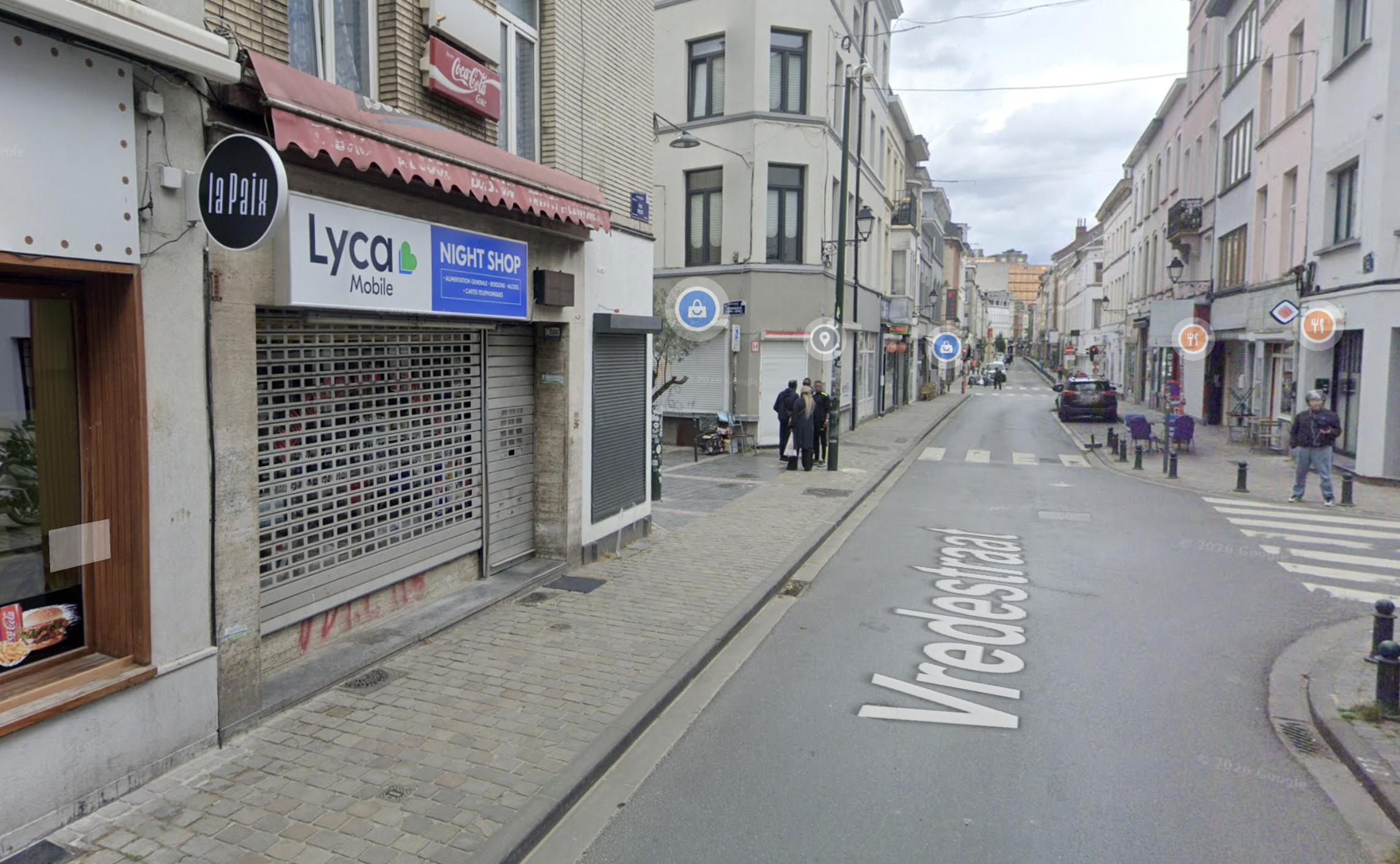
Radowan's shop, a short distance from Singh's nightshop. Credit: Google Maps
'This neighbourhood has always experienced drug trafficking'
After taking the oath on 29 November 2024, Ixelles Mayor Romain De Reusme (PS) designated Matongé as a regional “hotspot”, allowing additional police resources to be deployed in an effort to combat drug dealing.
He started a joint operation with Brussels Public Prosecutor Julien Moinil in March 2025. That operation, he tells us, produced “significant results”. He claims the number of drug dealers arrested in the neighbourhood tripled last year compared with previous years.
"This neighbourhood has always experienced drug trafficking," he says. "After the Covid pandemic, however, the problem intensified and spread across a much larger area, from Porte de Namur to Place de la Tulipe."
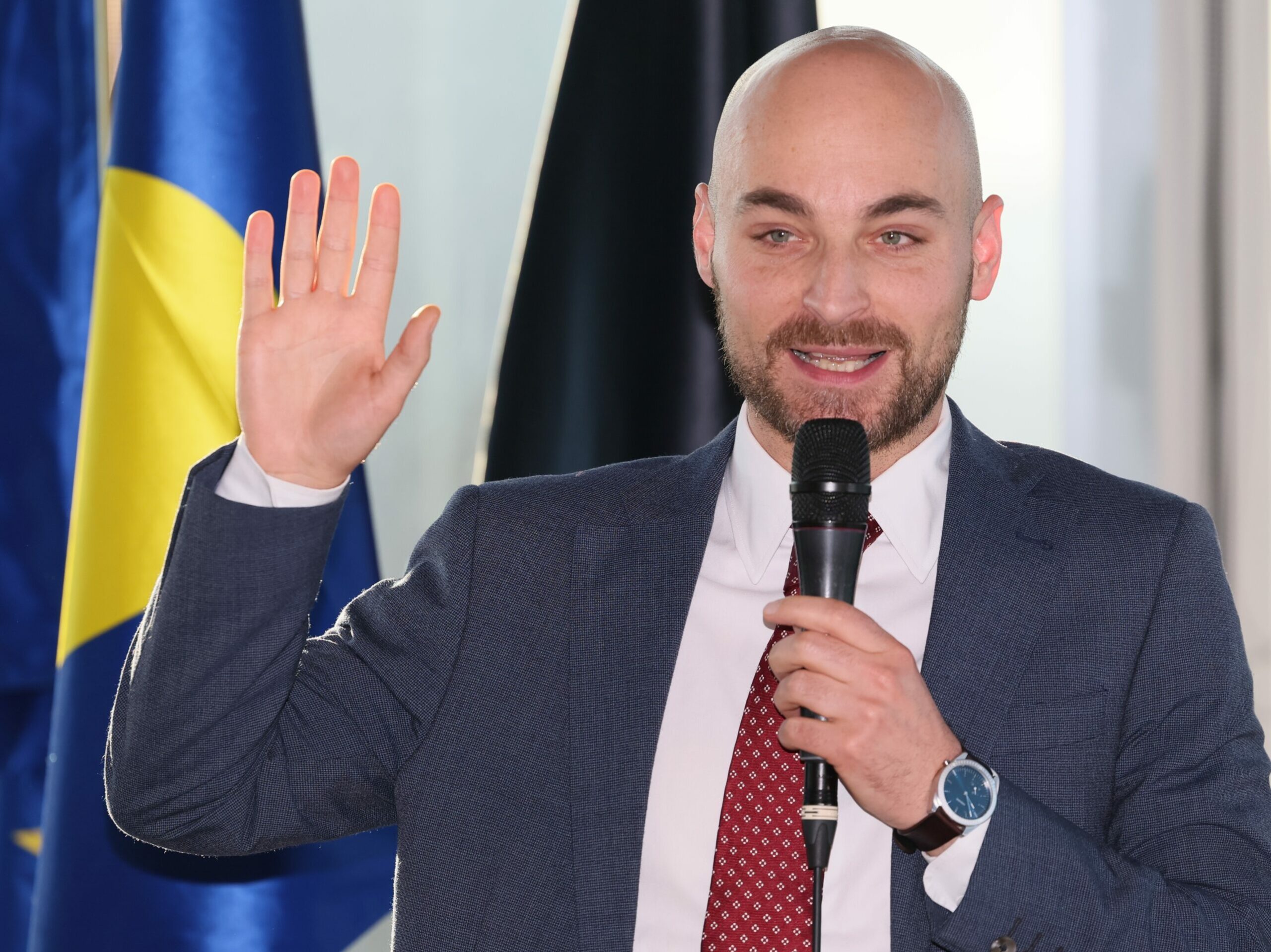
Ixelles-Elsene mayor Romain De Reusme takes the oath during a ceremony for the new mayors of the Brussels Capital Region, Friday 29 November 2024, in Brussels. Credit: Belga.
Contradicting claims by shopkeepers that police presence in the area have diminished in recent years, De Reusme maintains police resources have, in fact, increased since he took office. "Whenever the public prosecutor requests police resources to combat drug trafficking, they are made available immediately," he says.
De Reusme declined to provide detailed figures, saying they belong to the Public Prosecutor’s office and are not always made public while investigations are ongoing.
The mayor says he is "terribly sorry" for what happened to Singh and his family. "My thoughts are with the victim's family, but also with everyone in the neighbourhood, because he was a shopkeeper who was very well known and appreciated there."
He recently opened a condolence register at the municipality offices, where people can write tributes to Singh.
The register will be handed over to the victim’s family after the Ixelles Municipal Council meeting on 17 September, allowing councillors to express their condolences as well.
De Reusme confirmed he has instructed police to strengthen their presence in the Matongé district. "This is one of the busiest and most densely populated parts of the municipality," he explains. "Police are already present here every day, and we will reinforce that presence."
He claims to have spoken with shopkeepers and residents in the wake of the killing. "There are strong ties between residents and local shopkeepers. It is only natural that people are deeply shocked after an attack of such violence," he says.
The mayor refuses to speculate on the motive behind the killing, saying only the ongoing judicial investigation would establish what had happened.
"The problem is the criminals who carried out this attack," he says. "I hope they are identified, arrested, and severely punished as quickly as possible."
The investigation has been entrusted to the Brussels Federal Judicial Police under the supervision of an investigating judge. At this stage, prosecutors have not confirmed whether anything was stolen during the incident.
