
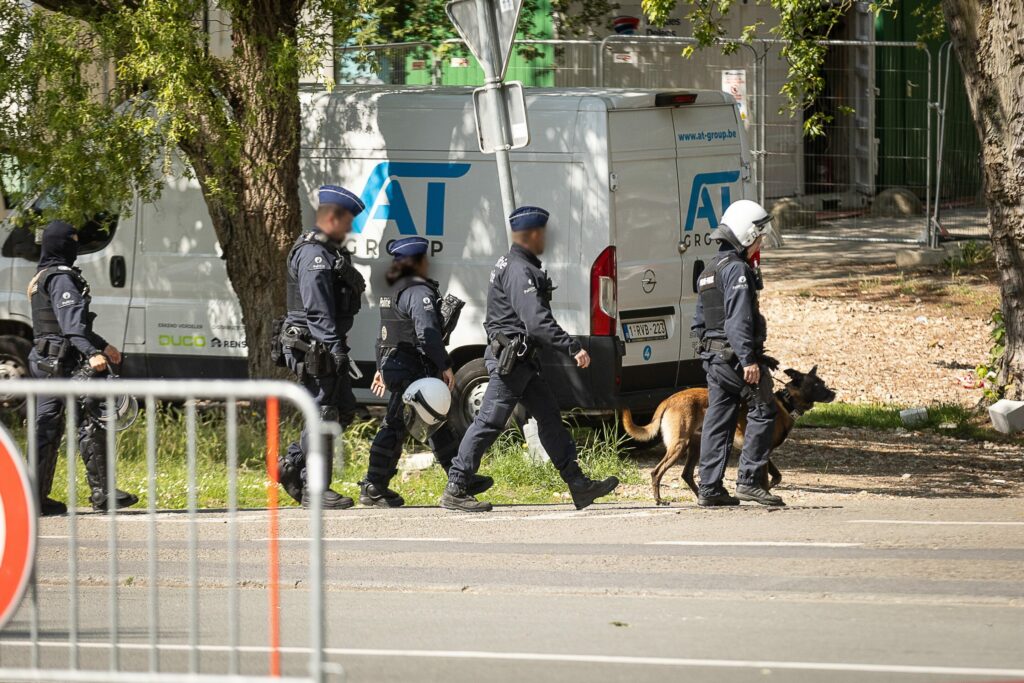
While Brussels initially introduced its drug 'hotpsot' strategy as a temporary measure in March 2024 to combat the ongoing drug issue in the capital, the associated measures and restrictions are slowly becoming a permanent part of life in certain areas.
An investigation, published by Le Soir on Wednesday, found that the drug 'hotspot' strategy, first introduced for six months after a spate of shootings in February 2024, will be extended again when the current order expires on 2 September.
The authorities designated 18 hotspots across the Brussels-Capital Region. In these priority areas, police can conduct checks around the clock and carry out security searches. Public alcohol consumption is banned, and shops cannot sell takeaway alcohol between 22:00 and 07:00.
Several municipalities have introduced other restrictions. For instance, in Anderlecht's Peterbos district, people who do not live there or cannot provide a legitimate reason for being there risk a €500 fine.
Other bans introduced elsewhere in Brussels concern gatherings, mandatory closing times for businesses and individual access.
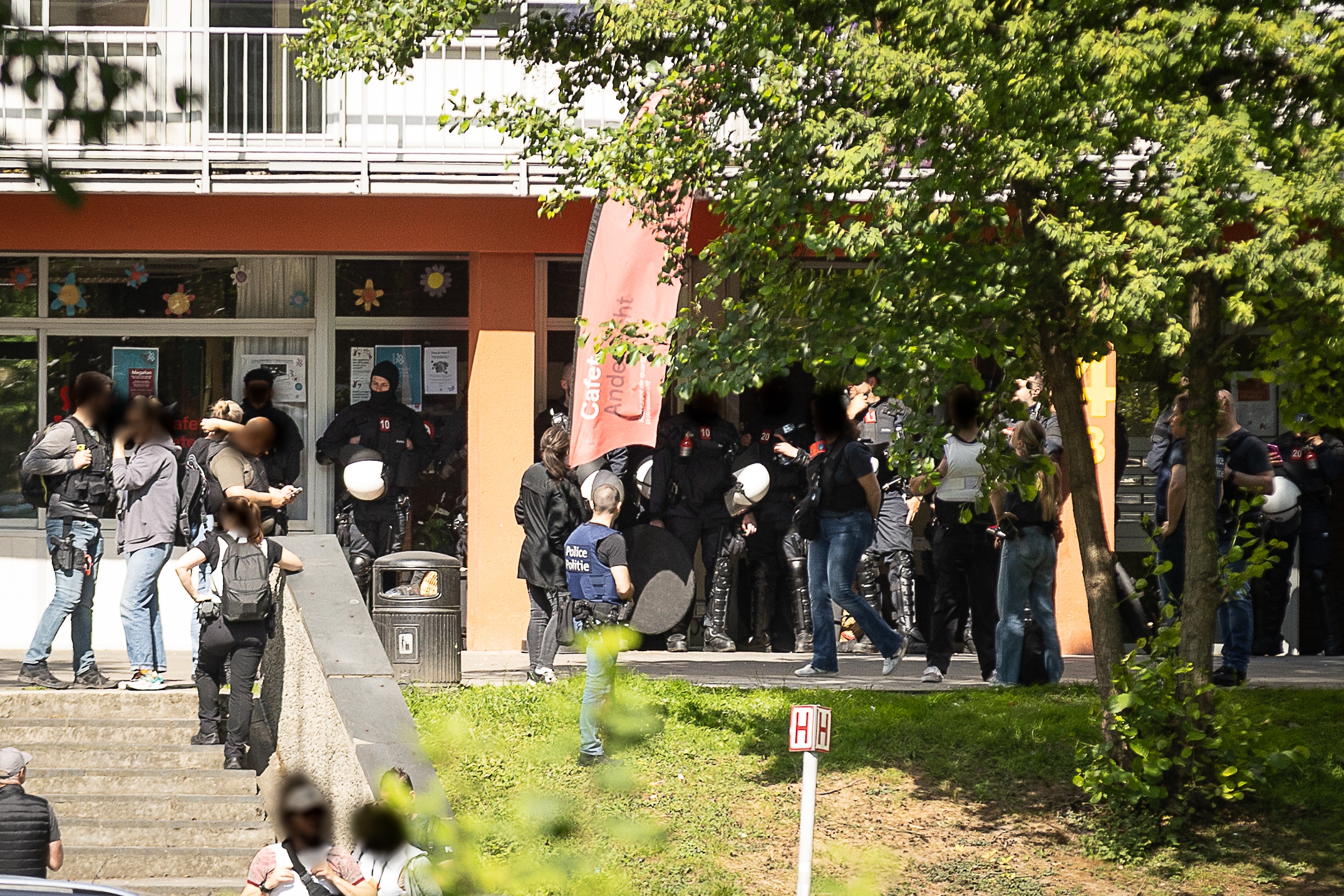
Police carry out a large-scale operation against drug trafficking in the Peterbos neighbourhood in Anderlecht, Brussels, on Wednesday 11 June 2025. Credit: Belga/James Arthur Gekiere.
However, no comprehensive assessment of the overall strategy has been carried out yet. Safe.Brussels, which coordinates the regional approach on the drug issue, said it had no figures to provide and referred questions to individual municipalities.
The office of Brussels Minister-President Boris Dilliès (MR) said the future drugs commissioner, expected to take office this autumn, will assess the strategy.
Some mayors, however, said that the restrictions are working. Anderlecht mayor Fabrice Cumps (PS) stated that 250 administrative fines have been issued in Peterbos over the past year and a half, and that tensions in Peterbos have fallen since the measure was introduced.
Federal police figures, cited by Le Soir, show that 57 shootings were recorded in Brussels between 1 January and 31 July this year, leaving two people dead and 21 injured. Most of these incidents were linked to the drug trade.
Yet, some see that tougher policing might push drug dealing and consumption elsewhere: restrictions in one neighbourhood can push criminal activity to another. Fanny Verslype of the Socio-epidemiological Observatory on Alcohol and Drugs, Eurotox, told the newspaper that arrests do not necessarily mean less trafficking or less consumption.
Social organisations have meanwhile called for greater investment in prevention and support. They warned that security measures alone can not address the underlying issues of drug use and trafficking in Brussels.
