
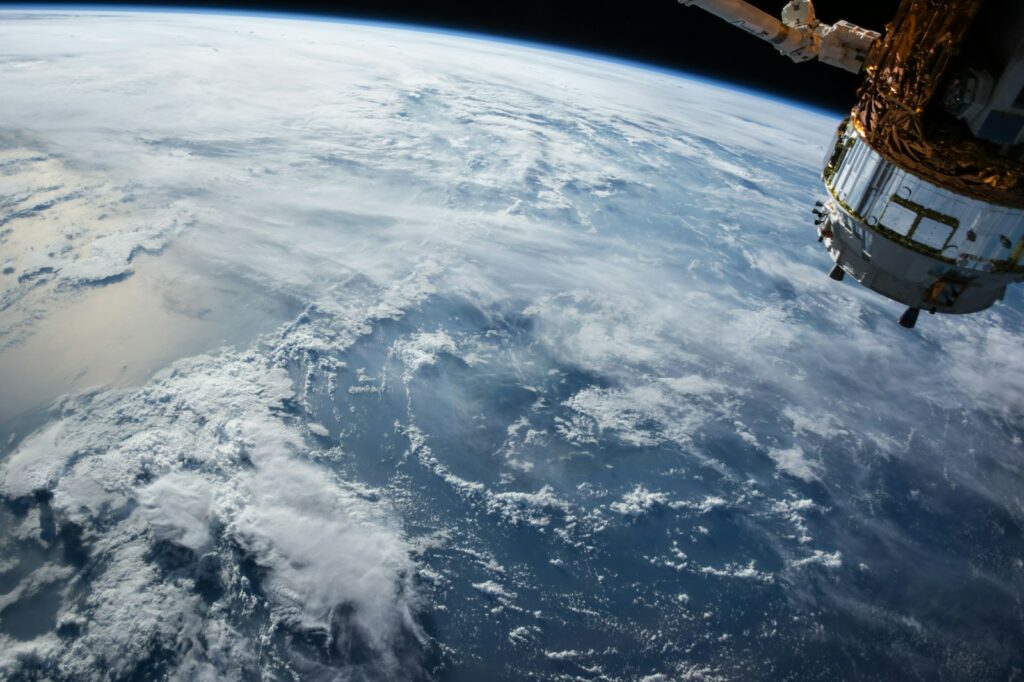
NASA has launched the Nancy Grace Roman Space Telescope from Cape Canaveral in Florida on a SpaceX Falcon Heavy rocket, marking the start of a mission expected to transform the study of the universe.
The telescope is named after Nancy Grace Roman, one of the first women to hold a senior leadership role at NASA.
It is due to reach its orbit around Earth, about 1.6 million kilometres away, in roughly a month. The first images are expected to be sent back in early 2027.
The mission has a total budget of more than $4 billion (€3.45 billion).
According to NASA, astronomers will use the telescope to study exoplanets, exploding stars and black holes.
The Nancy Grace Roman Space Telescope operates in a similar way to the Hubble Space Telescope, which was launched in 1990 but is now ageing and only partly operational.
NASA scientists say Roman will be far faster and more powerful. They estimate that observations Roman can complete in a single month would take Hubble 100 years.
Over more than 35 years, Hubble has collected about one terabyte of data. Scientists expect Roman to deliver more than 500 terabytes a year.
The James Webb Space Telescope, named after a former NASA administrator, was launched in late 2021 to complement Hubble. It operates in a different frequency range from both Hubble and Nancy Grace Roman.
