
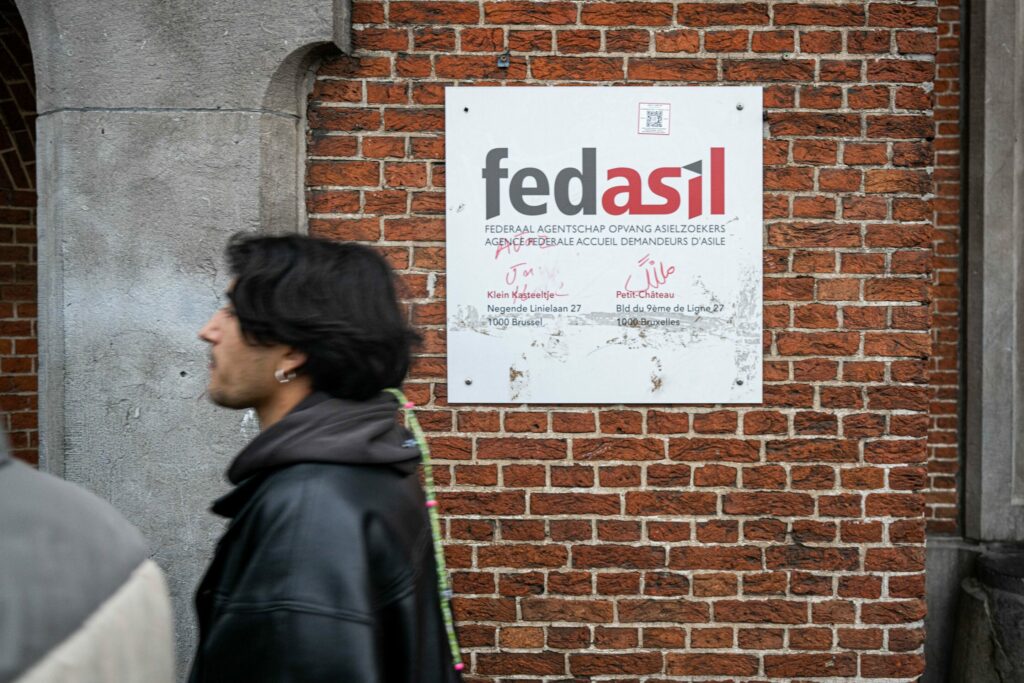
In the first half of this year, the 27 EU Member States, Norway, and Switzerland received 332,000 asylum applications – a 17% decline compared to the same period last year, and the lowest number in a first half-year since 2021.
The decrease is explained by "several simultaneous developments", according to the European Asylum Agency. They reported a significant decline among Venezuelans and Syrians, but an increase among Sudanese, Bengalis, and Haitians.
Afghans constitute the largest group, with 39,000 applications.
Four countries account for the majority of applications. France, Italy, Spain, and Germany together received 244,000 applications, or three-quarters of the total. Greece accounts for another 7%, and Belgium ranks sixth with 12,285 applications, or 3.7%.
Related News
- Brussels landlords update rent scale: What does this mean?
- ‘Inefficient and obsolete’: Should the Francophone Community of Belgium be scrapped?
- Deal on EU air passenger rights: What changes for travellers?
When considering the population of the countries where the applications are made, Greece receives the most applications per million inhabitants (2,254), followed by Cyprus (1,732 per million inhabitants).
Belgium ranks seventh in this ranking, with 1,028 applications per million inhabitants.
The recognition rate across the 29 countries was 31%, comparable to the low level in 2025. For 770,000 applications from the first half of the year and previous months, no decision has yet been made, which is 8% lower than a year earlier.
In June, the new European Migration and Asylum Pact came into force. This new pact includes, among other things, a European list of safe countries of origin, enabling faster processing of applications from nationals of those countries.
Just over half of the applications came from countries on that list, candidate member states, or countries that last year had a recognition rate of less than 20%.
