
Circulation of the Covid-19 virus in Belgium has multiplied tenfold since June, driven by the XFG sub-variant – informally dubbed "Frankenstein".
General practitioners report a sharp rise in consultations, with a clear rise in cases since the start of the academic year, La Dernière Heure reports.
Recent wastewater testing reflects this shift. Concentrations of the virus sank to historic lows before the summer break, but have now rebounded significantly, confirmed Belgium's national health institute Sciensano.
Giving comment to the publication, Sciensano virologist Steven Van Gucht told reporters that the rise is acute in the last ten weeks. While he noted that while the virus is circulating actively, its overall impact remains moderate.
Related News
- Four in ten cervical cancers in Belgium goes undetected until late stage
- How Belgium's most beautiful train station has narrowly escaped the wrecking ball
- Cardiovascular disease remains leading cause of death among Belgian women
During the third week of September, GP consultations for suspected Covid-19 cases reached 16.7 per 100,000 inhabitants. Confirmed infections stood at 4.8 per 100,000. Hospital admissions for severe acute respiratory infections linked to the virus currently sit at 0.9 per 100,000.
Medical professionals expect the wave to peak without severely overwhelming healthcare facilities, thanks to widespread population immunity from past infections and vaccines.
The early timing of the outbreak caught some experts off guard. Autumn respiratory waves typically begin in mid-October. This year's premature start aligns closely with the post-holiday return to offices, schools, and daycare centres.
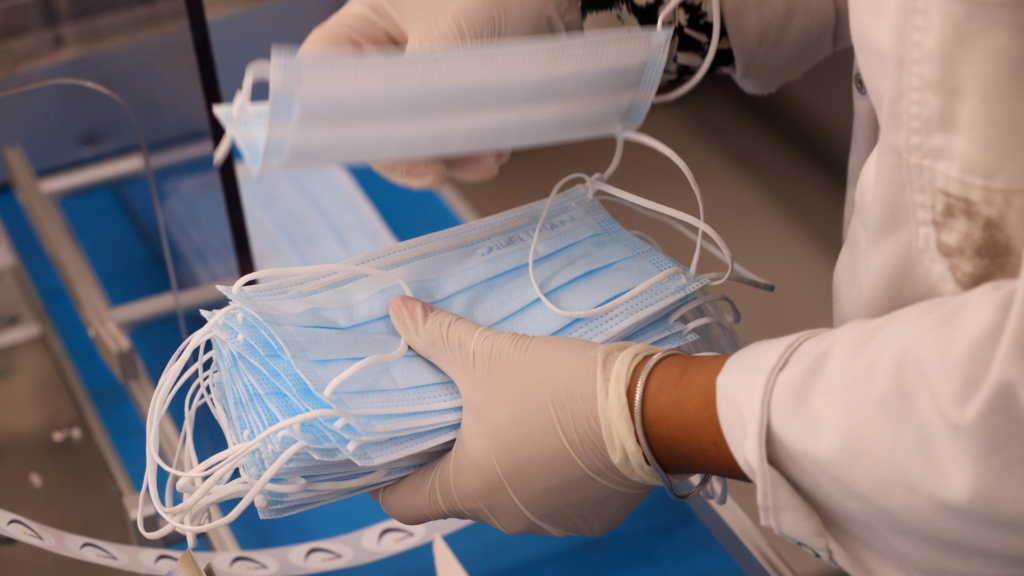
Authorities advise staying at home in case of any symptoms, while wearing a face mask around others if contact is needed. Older adults and immunocompromised patients face the highest risk of severe complications.
