
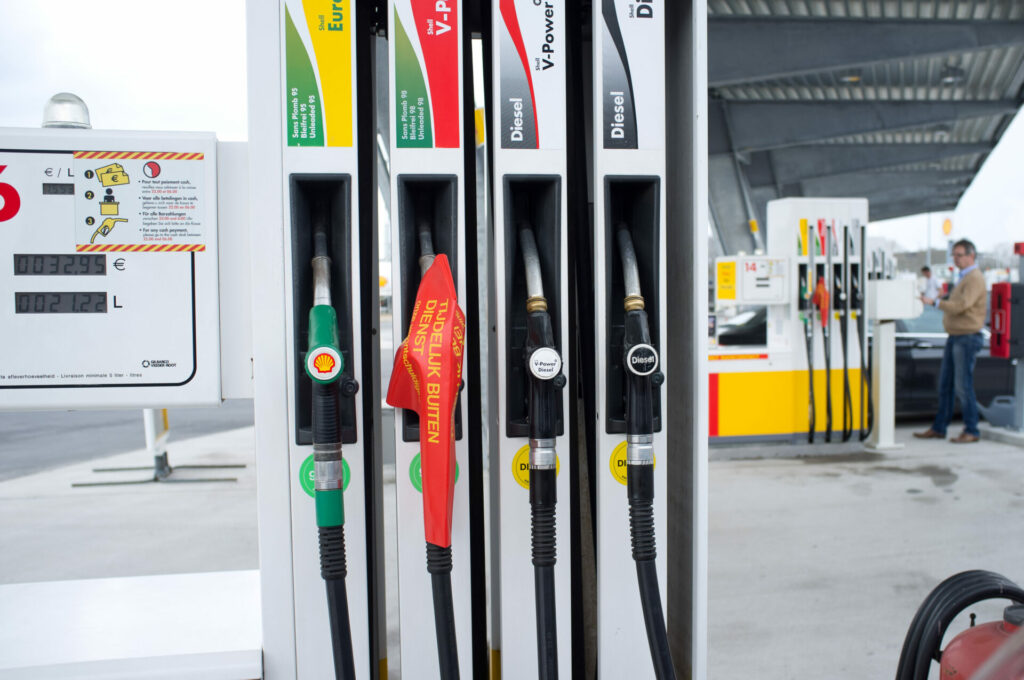
Electric vehicles are becoming cost-effective more quickly than in previous years due to the rise in recent months of diesel and petrol prices.
While electricity costs have risen from 0.31 cents in December 2025 to 0.39 cents per kilowatt-hour today, petrol costs have risen more sharply, from €1.60 per litre to €2.32 over the same period, driving the improved cost-effectiveness of electric vehicles.
The Belgian newspaper Gazet van Antwerpen has calculated that someone buying an electric Peugeot 2008 today could recoup the extra costs of the electric variant in just three years despite the electric equivalent of the Peugeot 2008 costing €12,000 more.
Last year, this same purchase would have taken five years to break even.
The time to recoup has fallen for all electric vehicles analysed by the Gazet van Antwerpen.
The calculations were based on someone driving on average 15,000 kilometres a year, and are based on the Flemish government's comparator website for new vehicle purchases.
Recent Statbel figures show that electric and hybrid cars have overtaken diesel in Belgium's overall vehicle fleet.
The main driver of this shift is financial incentives, particularly for company car fleets, that lower the purchase cost of an electric vehicle.
As a result of these incentives, four in five electric vehicles registered between August 2025 and 2026 were in the name of a company.
Overall, the number of electric cars registered in Belgium grew by almost 40% over the same period, while diesel (-12.13%) and petrol (-0.01%) vehicles declined.
In total, Belgium now has 1,512,874 hybrid or electric cars, against a diesel total of 1,493,622. Statbel calls this crossover point a "significant milestone."
