
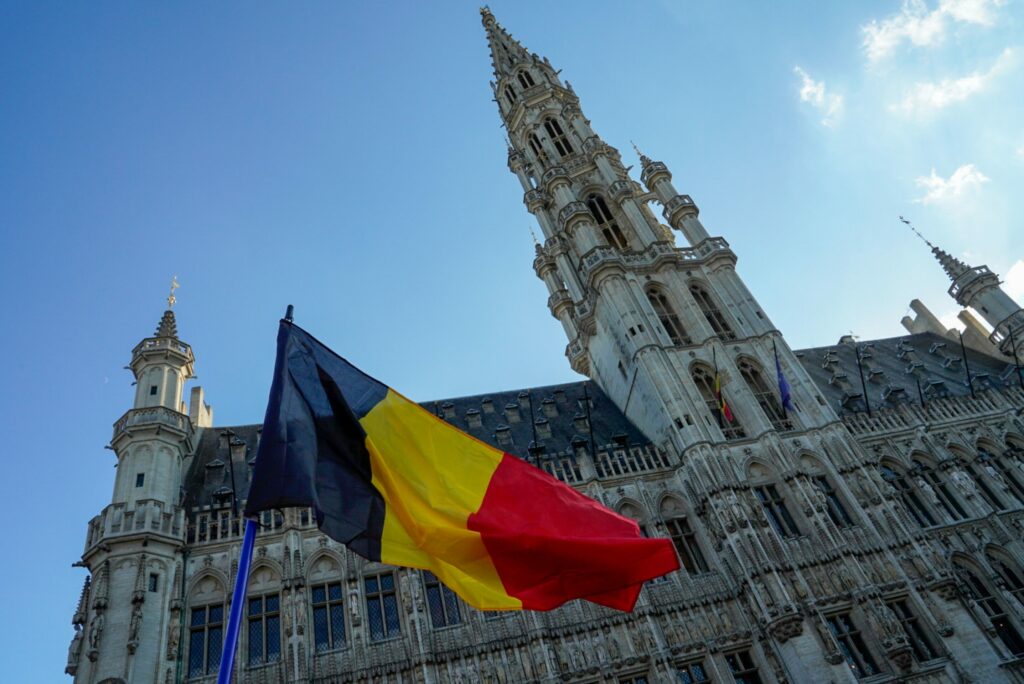
For those choosing to acquire Belgian nationality, the decision is often shaped by love, work, family, security – or simply the feeling of belonging to this country.
Ahead of Belgian National Day, The Brussels Times asked its readers who recently acquired Belgian nationality: why did you do it? Their accounts reveal that becoming Belgian is seldom just about obtaining a passport. For many, it is the final step in a long journey.
'Brexit made England stop feeling like home'
Gemma Bellhouse, 39, became Belgian on 16 July 2026, almost six years after moving from London to Brussels.
Her Belgian story began years before Brexit. She first visited the country in 2013 and immediately fell in love. "I fell in love with the architecture, the waffles, the multiple languages, and the welcoming nature of the people," Bellhouse says. "I wanted to come back".
In December 2020, a work opportunity in Belgium arose. Bellhouse accepted it without hesitation, imagining that she would stay here for only six months or a year. Then Brexit happened.
"I often call myself a 'Brexit refugee' because I lost my European rights and freedom of movement," she explains. "The day of the referendum results was the day my home country of England did not quite feel like home anymore."
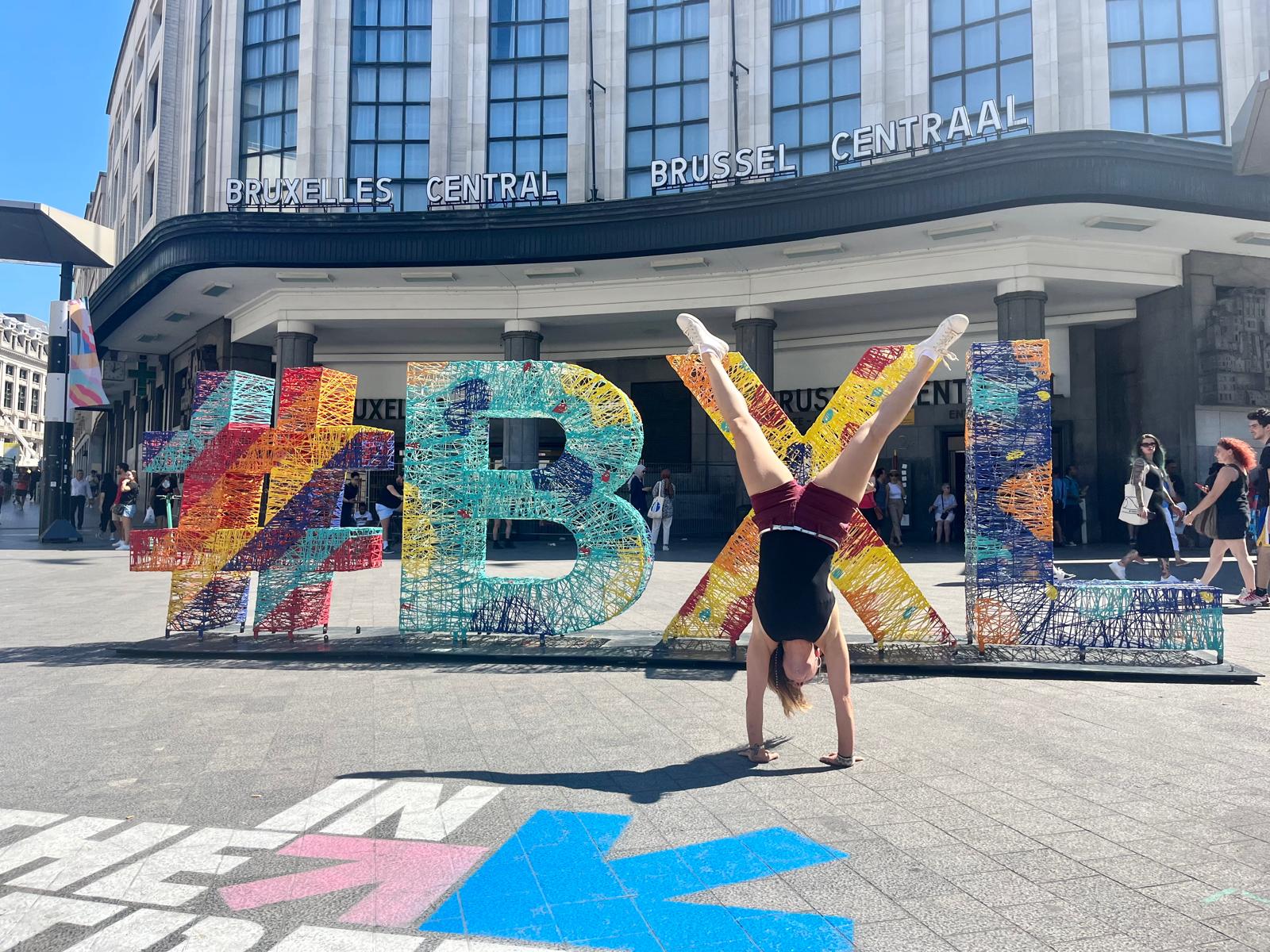
Gemma doing a handstand. Credit: Handout.
Disappointed, Bellhouse decided to not return to the UK and instead build a life in Belgium. She first settled in Schaerbeek before buying a home in Saint-Josse, where she now resides.
Belgium became more than just "a place to work"; it became home. To this day, she is delighted to introduce her visiting friends to the simplest Belgian things: fries with Andalouse sauce whilst roaming around the Grand Place, or attending Stromae or Angèle's concerts.
"Now I can't imagine living anywhere else because my friendship circle, my quality of life and my love of this country have grown so much that Belgium is absolutely my forever home," says Bellhouse.
The moment she received her Belgian citizenship, she says she felt privileged, humbled, and "so grateful".
"Not everyone has the chance to become Belgian or to reclaim their European identity," she says. "I am so lucky, and so happy, and so proud. Merci beaucoup, la Belgique."
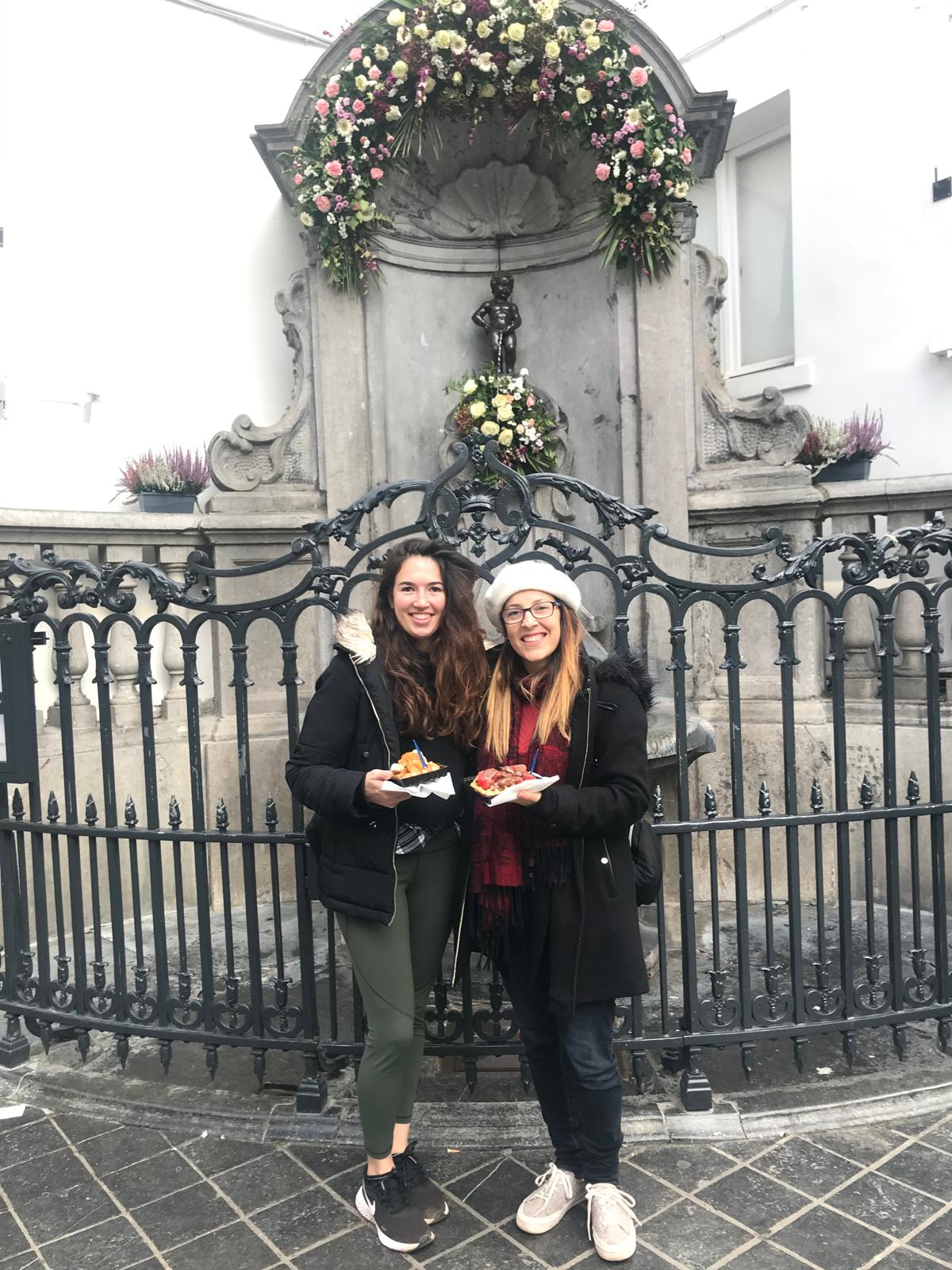
Gemma and her friend, who was visiting Brussels from the UK. Credit: Handout.
'People go to India to discover themselves. I left India and discovered a home.'
Brahm Verma, 36, left India at 30 in search of a fresh start. "People go to India to discover themselves," he tells The Brussels Times. "I left India to discover the world. Somewhere along the way, I discovered a home instead."
Nearly seven years later, that home is Brussels. He arrived in Belgium knowing almost no one. He hustled in his early years, and gradually his new life began to take shape.
He advanced his consulting career, bought his first apartment and created a solid circle of close friends from more than 15 different nationalities."I don't know many places where that would have happened so naturally".
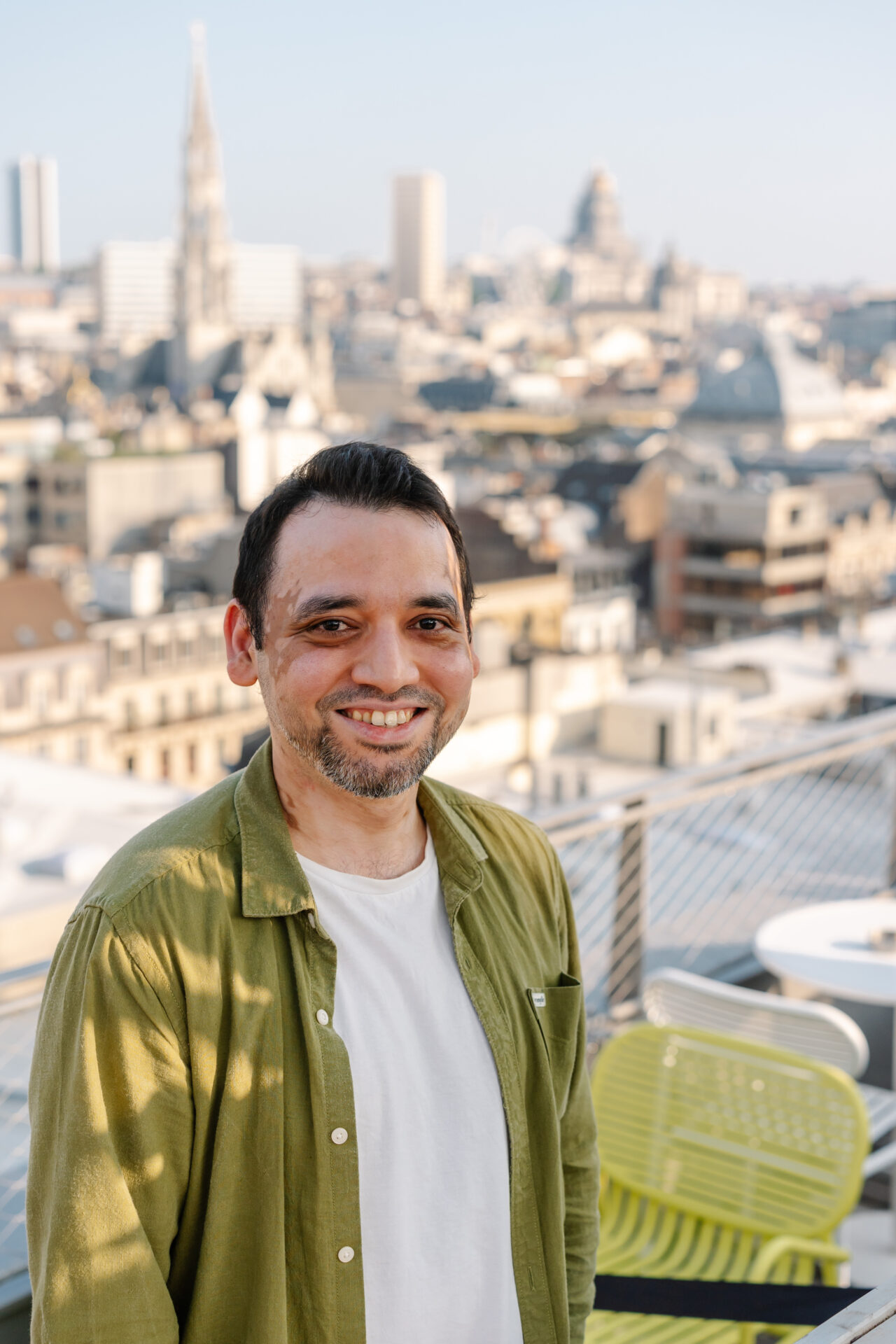
Brahm. Credit: Handout.
"Somewhere along the way, I became Belgian without really noticing it," he says. "Filing the citizenship application simply made it official."
Though India remains an important part of his identity, he does not feel he has split loyalties. "India will always be where my roots are. It shaped who I am. Belgium, however, is where I see my future growing. For me, these identities don’t compete; they complement each other."
The news about acquiring Belgian citizenship was like a Christmas gift, he says, arriving as it did on 26 December. He jokes that now he has the utmost right to complain like a proper Belgian.
"I have earned the right to complain about Brussels being permanently under construction, joke about the Schuman roundabout and navigate bureaucracy that somehow exists in three languages while I have yet to master any of them."
While travelling abroad, Verma finds himself comparing everything with his new country: digital public services in Germany? Nothing like Belgium. But the striking thing is finding himself missing Brussels when going home to visit his parents. "That's when I realised something unexpected: Brussels had become home."
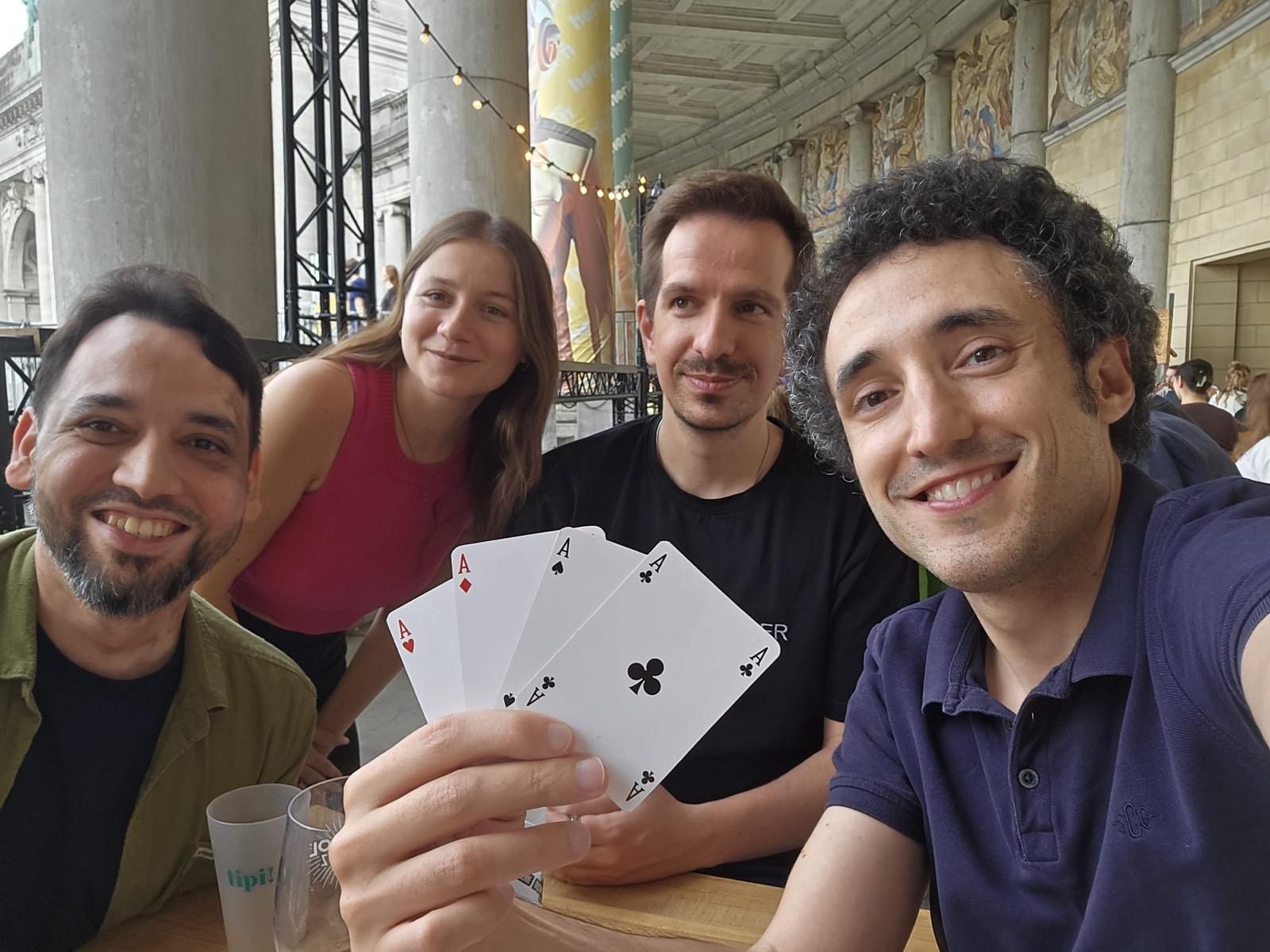
Brahm with his friends. Credit: Handout.
"Eight years ago, I could never have imagined myself sitting on the Grand-Place on a summer evening, eating fries, drinking a Belgian beer and calling this rainy little country home," he says.
"The day I became Belgian was the day I started calling a three-minute train delay 'not bad'."
'Belgium was not just his country anymore. It became mine too'
On 3 November 2026, it will be ten years since Ntasha Suyin Azemi, 50, first arrived in Belgium – but everything began with a ferry crossing in Thailand.
In July 2024, whilst on holiday from her native Malaysia, Ntasha met a young Belgian man. They spent the ferry journey talking and exchanged numbers before embarking on a long-distance relationship. Eventually, he asked her to move to Ieper.
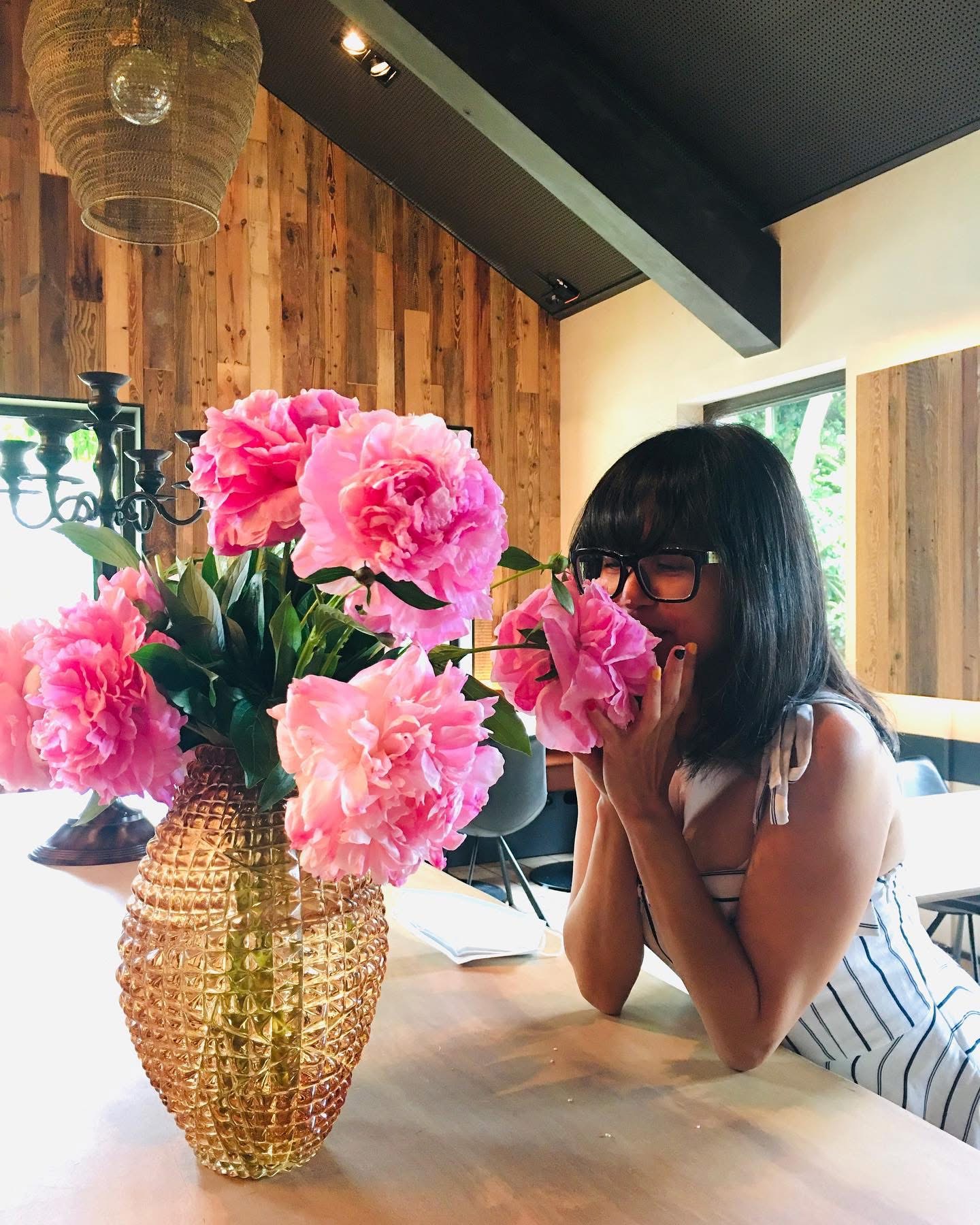
Ntasha. Credit: Handout.
Moving to Belgium was never part of Ntasha's life plan. Raised in a well-travelled family, she had lived abroad and believed she could adapt almost anywhere. Belgium was where life led her.
The relationship eventually ended after eight years together, but her relationship with Belgium did not. "It was not just his country anymore. It was mine too, in the way a place becomes yours slowly and without asking permission," she says.
In September 2024, Ntasha renounced her Malaysian citizenship because Malaysia does not allow dual citizenship. She settled on Belgian citizenship, and that same year, she became a Belgian citizen. "When the news came through that my citizenship had been approved, I was ecstatic."
After decades of relying on others to manage the practical aspects of life, Ntasha says that Belgium became the place where she learned to live independently: "On paper and in every way that matters, I am simply Belgian, and for the first time in a long while, entirely my own."
'I became Belgian long before I realised Belgium had become home'
Marlene Rios met her husband, a Flemish man, while studying in Spain. Originally from Venezuela, Spain was a country she was familiar with, but it was love that made her move to Belgium.
Nothing prepared her for the cultural shock, Rios says she really suffered the first few years, "It was overwhelming, everything was different. The language, the people, the country itself."
Her relationship with her now-husband might have been love at first sight, but not with Belgium. She was determined to ignite some feeling of belonging inside, she explains, and started learning Dutch. "Looking back now, those first years feel blurry because I was trying to do so much in such a short time. It was survival."
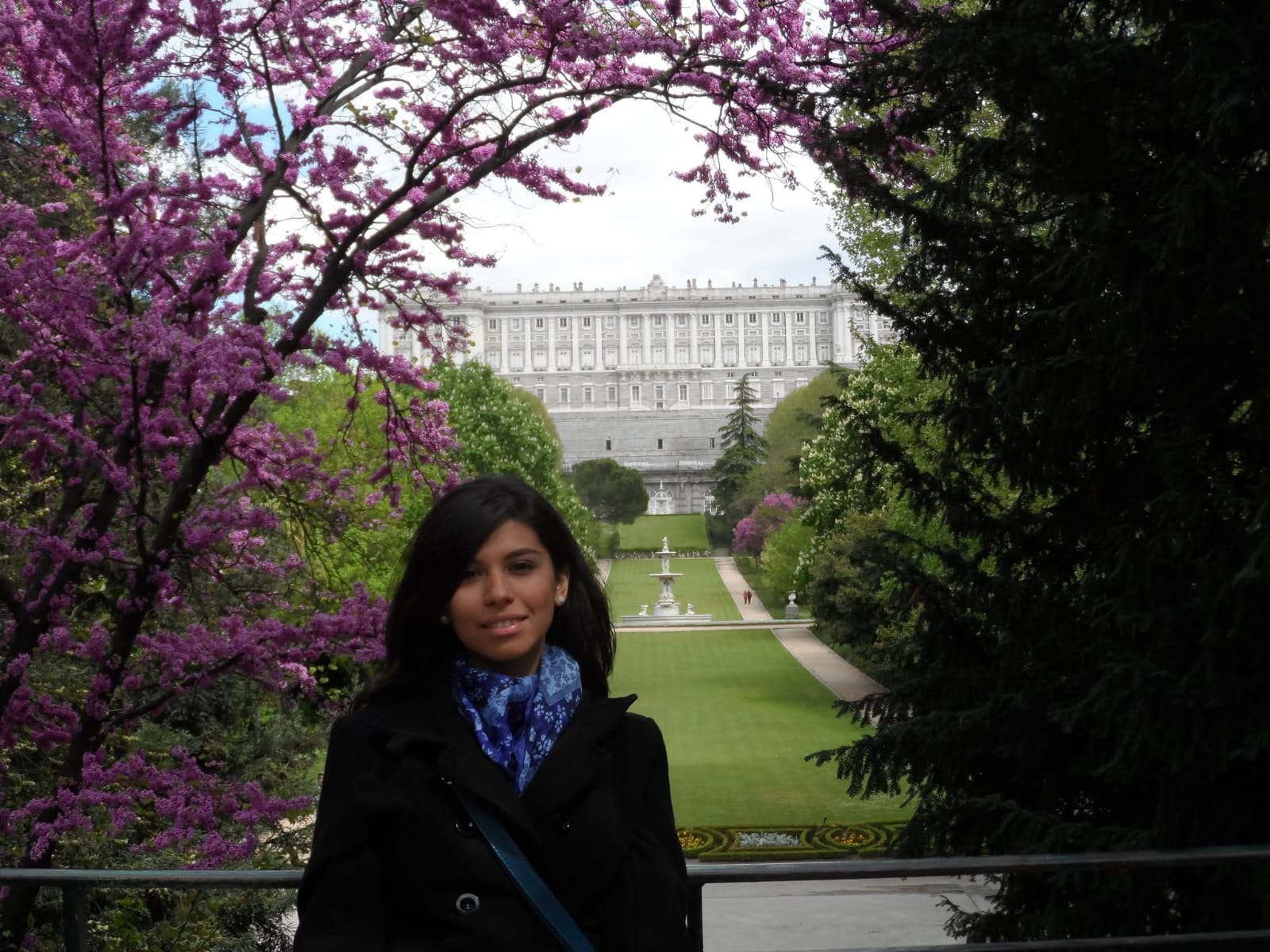
Marlene is originally from Venezuela and says that in Belgium, healthcare and other public services cost almost nothing compared to other countries, which she greatly appreciates. Credit: Handout.
She eventually learnt Dutch and landed a job she is passionate about, but something was still missing. "I had a good life, a comfortable one, especially in comparison with my life in Venezuela, but still I did not feel like I belonged," says Rios.
"For years, every time I went on holiday to Spain or Italy, I would think, 'I'd love to live here.' Then I'd come back to Belgium wondering why I was here."
The feeling began to fade when she became a mother, and after receiving Belgian citizenship, which she describes both days as "nirvana moments".
"I could finally appreciate the good things about the country. I could really see the goodness in people and in the culture. I didn't have that immediate rejection anymore," she says.
Today, there are many things she values about her adopted country: the respect for personal boundaries, the sense of security, the healthcare system and the opportunities it has given her.
"Coming from a country with high levels of violence and criminality, being able to drive at night without being afraid is something I don't take for granted," she says.
Looking back at some of her friends who settled elsewhere, she realises how fortunate her own journey has been.
"I've been able to build a life that aligns with my values and my principles. That's a privilege."
"Some Belgians may see the country differently because they grew up here. My reference point is different. When I look at education, healthcare and the support people receive, I see incredibly valuable things."
"I didn't become Belgian the day I received my passport," she says. "I became Belgian the day I came back from holiday and realised I was happy to be home."
