
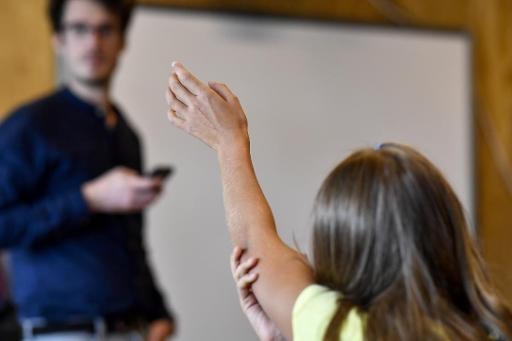
New OECD figures reveal that around one in seven teachers in French-language education in the country is not fully qualified for the job they are doing.
OECD published its annual Education at a Glance 2026 report on Tuesday, which makes a comparison between education systems across developed countries.
The report found that around 15% of primary and secondary teachers in the Fédération Wallonie-Bruxelles were not fully qualified, compared with only 7.1% in Flemish schools.
The situation in French-speaking Belgium has also worsened in recent years, as the share of teachers without all the required qualifications rose from 10% in 2018 to 15% in 2025.
Being “not fully qualified” does not necessarily mean that someone has no qualifications or teaching experience.
It can include teachers who have the necessary academic degree but have not completed the required teacher training or certification. It can also include people who have completed teacher training but do not have the academic qualification normally required for the subject or position that they teach.
These figures come as French-speaking schools continue to struggle to find enough teachers.
Earlier this month, The Brussels Times interviewed French-speaking Education Minister Valérie Glatigny (MR), who argued the education system needed an “electroshock,” as she defended a series of reforms being introduced by the Fédération Wallonie-Bruxelles.
“I am not interested in popularity,” the not so popular Minister told us. “I'm interested in the next generation.”
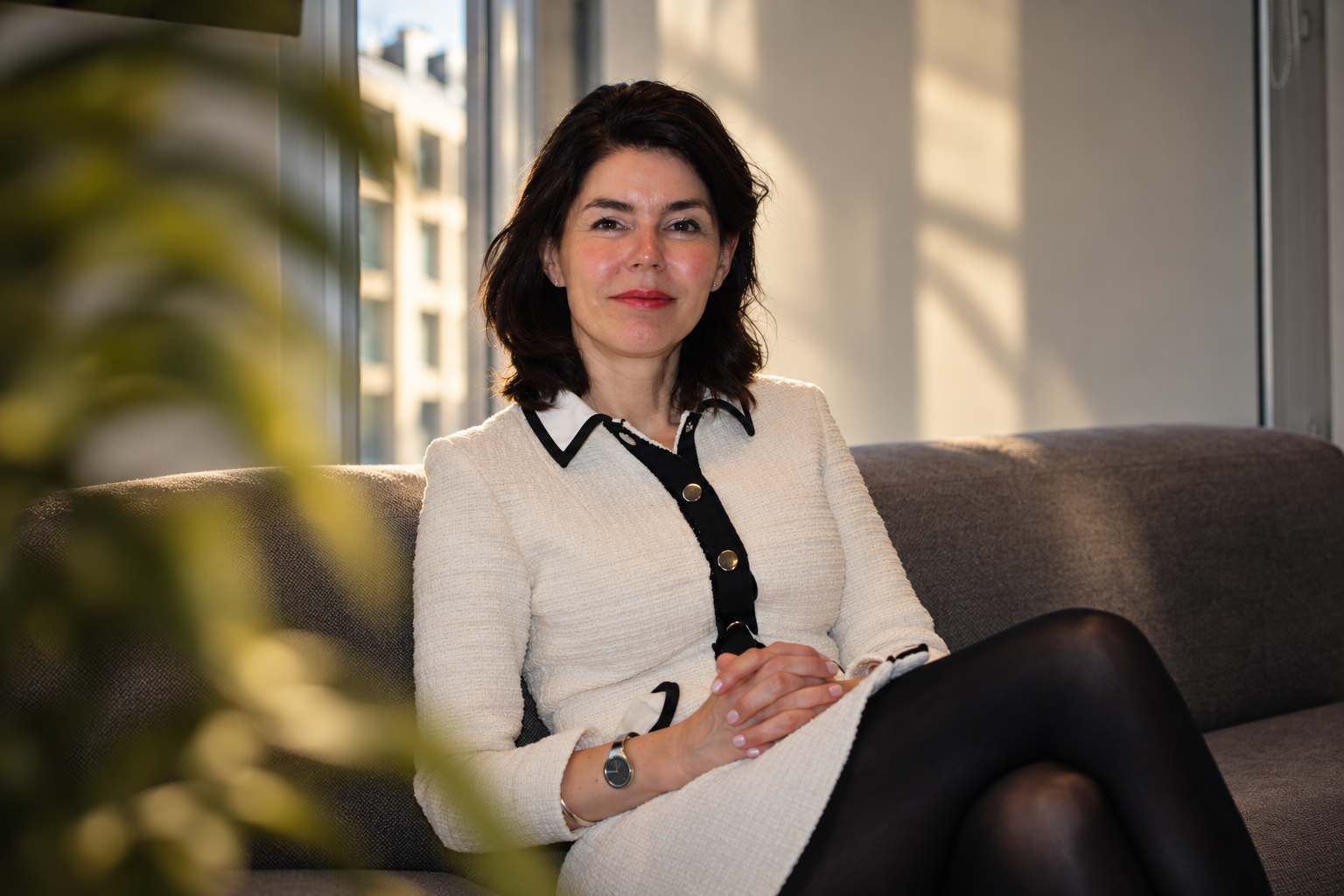
"Overall, we have been declining for the past 20 years. We need to create an ‘electroshock’" says Valérie Glatigny, Minister of Compulsory Education of the French Community in Belgium in a recent sit-down with The Brussels Times. Credit: The Brussels Times/ Anas El Baye.
During the 2024-2025 school year, 11.6% of teachers in French-speaking Belgium left their post, compared with 7.8% in Flanders and an average of 6.4% among the countries examined. This figure includes teachers retiring, resigning, or moving to another position.
OECD warned that education systems are finding it more and more difficult to attract, train, and keep qualified teachers.
Pay alone does not explain the shortage in Belgium, however. Around 66.1% of French-speaking lower-secondary teachers said they were satisfied with their salary, compared with just 39% across the OECD. In Flanders, the figure was even higher, at 71.2%.
More than three-quarters of French-speaking teachers also said they were satisfied with their working conditions, excluding pay.
The latest figures were collected before Glatigny decided to increase classroom teaching time from 20 to 22 periods per week for some secondary school teachers. This measure has contributed to protests by pupils, teachers, and sometimes their parents, who took to the streets to express their frustration. Headteacher of the Institut Maris Stella in Laeken, Imane Kenfaoui, described these protests to The Brussels Times as a response to a “we know what is best for you” and “very top-down” approach.
