
From miniature barge captains to world-class police trackers, Belgium boasts a surprisingly rich canine history.
However, as breeder Thomas Schuler from Woefkesranch told The Brussels Times, they are becoming less popular and ever harder to find. So, who are these furry Belgian companions.
Griffon Bruxellois – the Brussels’ goofball
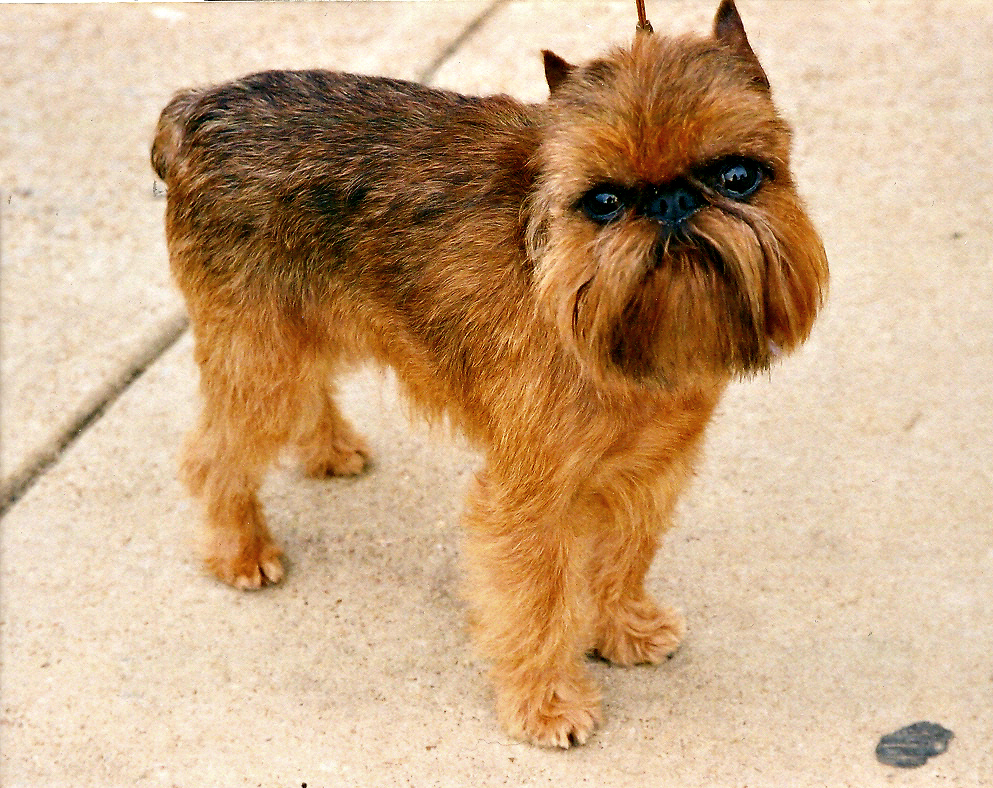
Griffon Bruxellois. Credit: Wikimedia Commons
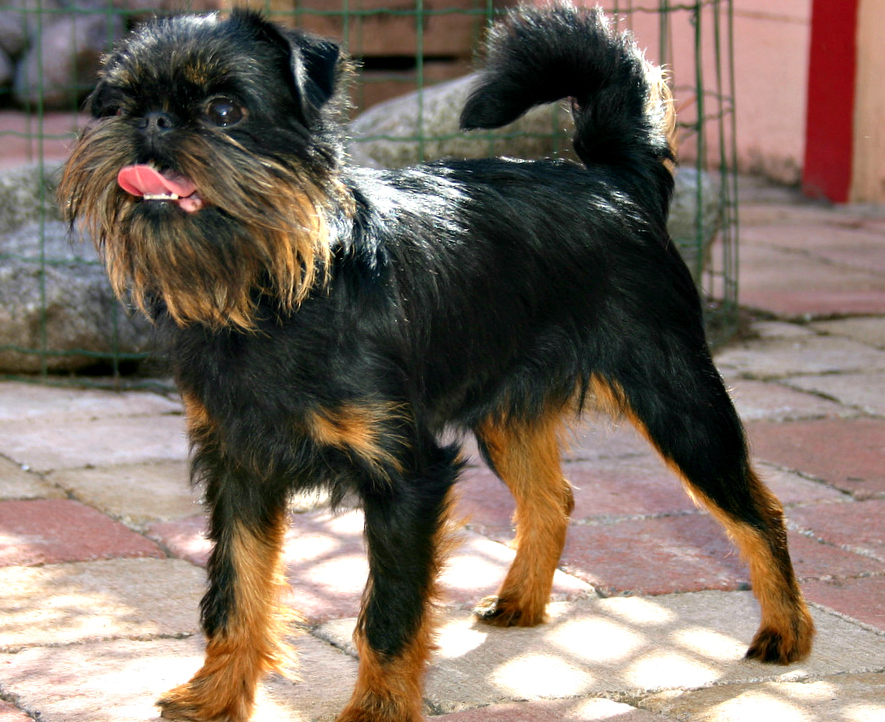
Sturdy frames and squished, human-like faces define the Griffon Bruxellois, the toy breed that inspired the design of Star Wars' famously cute Ewoks. Having either a wiry or smooth coat in shades of red, black and tan, adults weigh just four to five kilograms.
These tiny bodies pack big personalities. Griffons bond fiercely with their owners, play endlessly with household cats or ferrets, and lack any concept of their own small size when trying to challenge massive dogs for dominance.
"If a certain breed is known to be dominant, you need to know that you need to be dominant as well," Schuler advised.
Nineteenth-century Brussels coachmen originally bred local rat-hunting stable dogs — known as smousjes — with Pugs and Ruby King Charles Spaniels to eliminate vermin. Queen Marie Henriette of Belgium later championed the breed, boosting its international fame before the First World War nearly wiped it out.
Apartment dwellers who want a comical companion with zero boundaries for personal space will love this dog.
However, prospective owners must stay home often, as Griffons despise solitude. Moreover, being related to pugs, griffons often need veterinary checks, especially on their prominent eyes.
Schipperke – the charming ‘black devil’
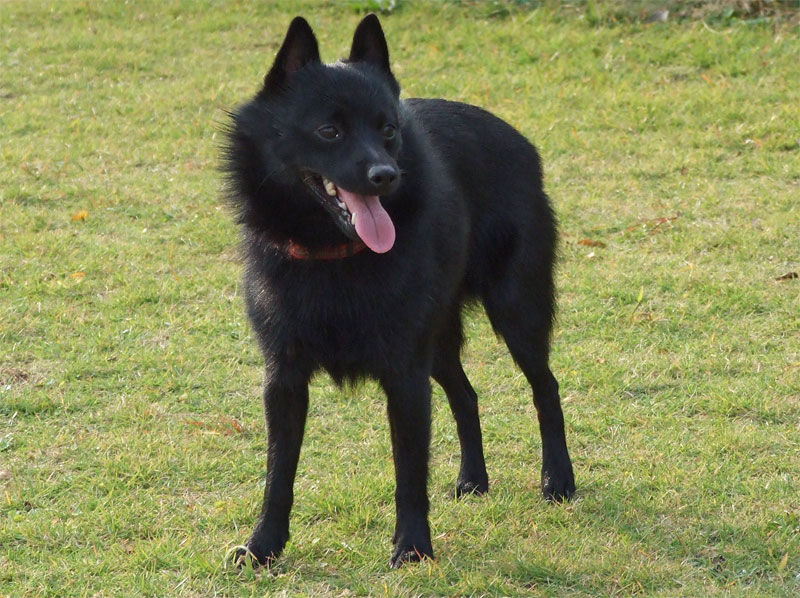
Schipperke. Credit: Wikimedia Commons
Belgian locals nicknamed this Spitz-type breed the "little black devil" for good reason. Fiercely curious and high-energy, these loud watchdogs chase everything that moves. They are often called the Flemish Shiba Inu, drawing comparison to the famously independent Japanese breed.
Akin to a larger Pomeranian, pointed ears and a thick, jet-black double coat give the Schipperke a distinctly fox-like silhouette. Another iconic feature is a distinctive ruff around the neck and long fur on their hind legs.
Originating in 17th-century Flanders, working-class guildsmen and canal boatmen used them to guard barges and hunt mice between Brussels and Antwerp. During the Second World War, the Belgian Resistance even utilised Schipperkes to smuggle secret messages past unwitting Nazi forces.
Schuler noted that the Schipperke's sharp maw is indicative of an athletic dog good at running. Active households with secure, fenced gardens suit these tireless canines best. Owners will need patience for early obedience training and a tolerance for frequent barking.
Bloodhound – the red-eyed sniffer
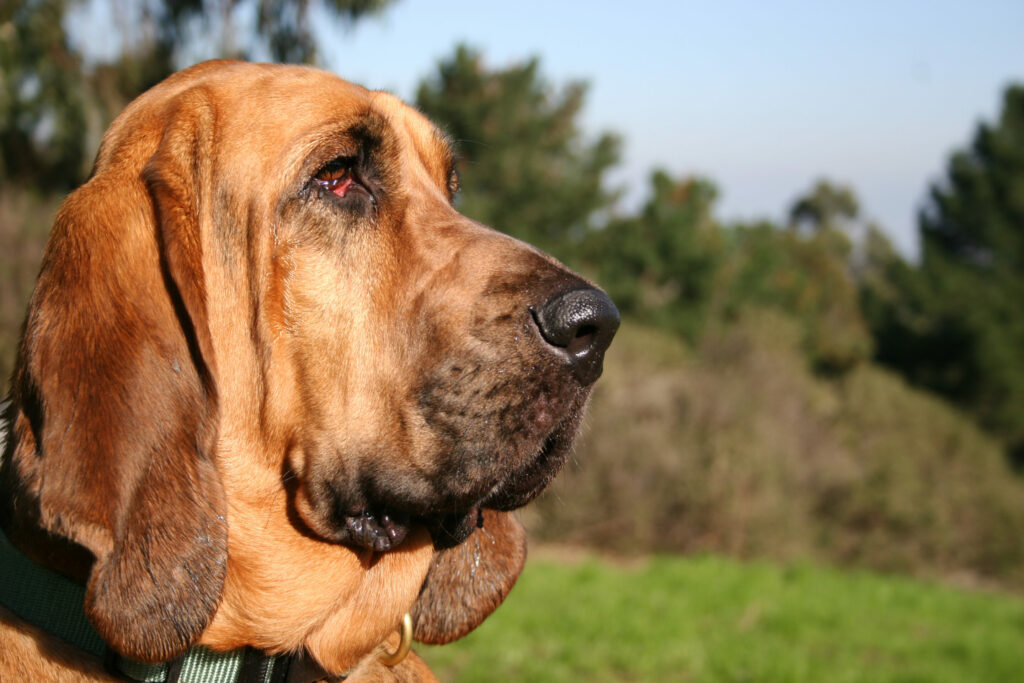
Bloodhound. Credit: Wikimedia Commons
Monks at the Abbey of Saint-Hubert in the Belgian Ardennes bred these black-and-tan scent hounds as early as the year 1200. Every year, the monastery gifted several pairs of chiens de Saint-Hubert, or in English, Bloodhounds, directly to the King of France.
Loose skin folds, long drooping ears and heavy body define the looks of a Bloodhound. Weighing up to 72 kilograms, their sagging lower eyelids expose the deep red underneath, giving them the iconic mournful gaze. Beneath that expression sits a gentle, affectionate giant.
"People always think it's a hunting dog, but it's not bred as such anymore," Schuler said.
Prospective buyers face significant maintenance costs and potential separation anxiety. "If those dogs get bored they can howl really loud," he warned.
Veterinary bills and food expenses quickly accumulate for the 72-kilogram canine. "Bloodhounds are not the healthiest dogs. To me, it's ultimately a rich man's dog," Schuler said.
Suburban or rural residents with strong arms and endless stamina for long, sniff-heavy walks can handle this breed. The Bloodhound is considered one of the best dogs for scent-tracking, and once it locks onto a fresh trail, its stubborn instincts take over. The dog will ignore all voice commands to follow its nose for kilometres.
Neat freaks should look elsewhere though: it slings drool across walls and furniture daily.
Bichon Frisé – the ultimate lap dog
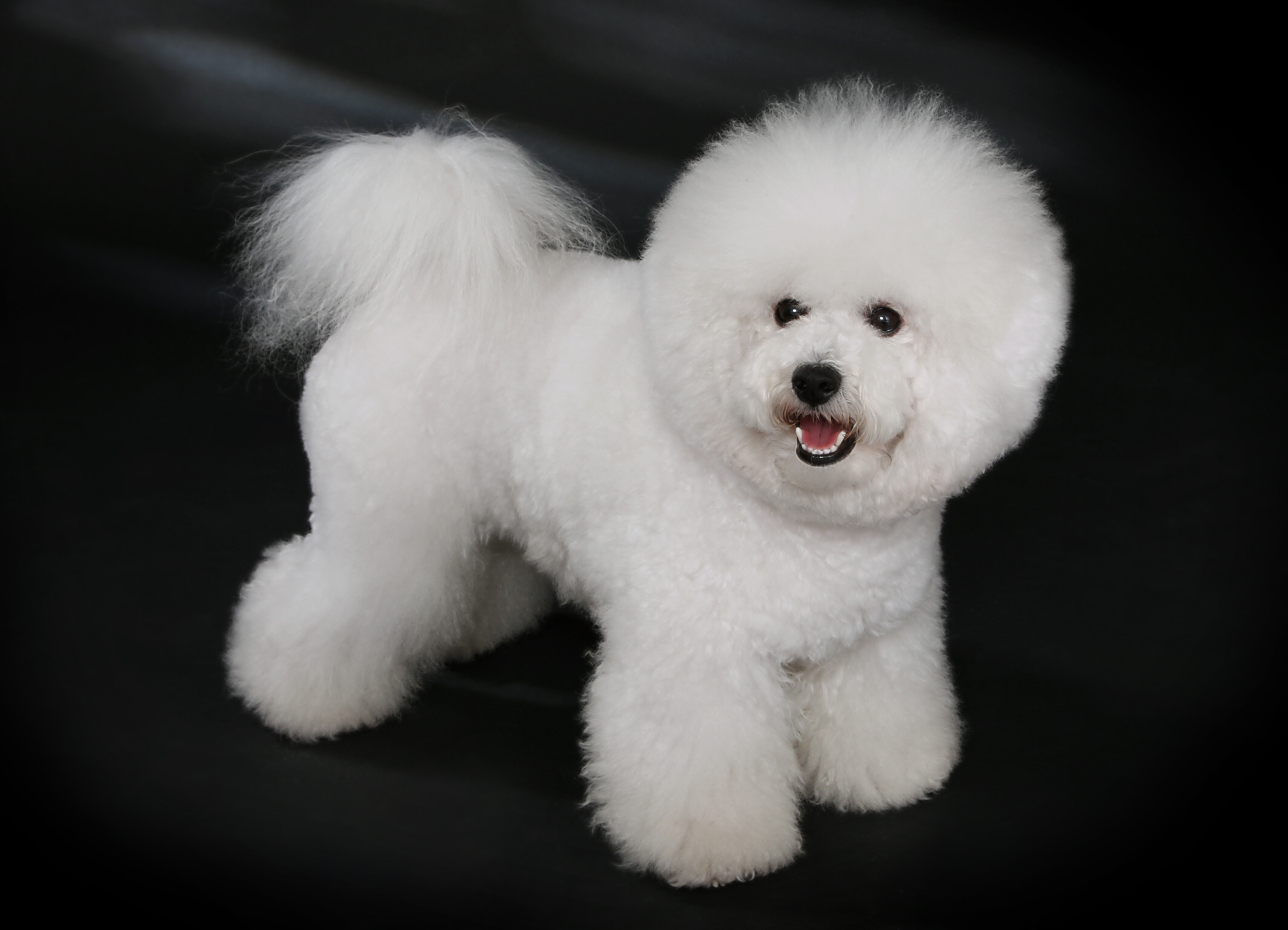
Bichon Frisé. Credit: Wikimedia Commons
Resembling a walking cotton ball, the Bichon Frisé has a silky, pure-white curly coat. Its dark, expressive eyes contrast sharply against its snowy fur, which rarely sheds.
Beneath that curly white coat hides a simple, low-energy companion. "Maltese dogs, and Bichons by extension, are the best definition of a lapdog," according to Schuler.
Cheerfulness is the defining feature of the Bichon. They are gentle, sociable and eager to please, thriving on human attention without tipping into hyperactivity.
The Bichon operates purely as a domestic lapdog as Schuler notes its temperament closely mirrors the Maltese, so owners seeking exercise partners should look elsewhere. "If you take a dog for walking, then you should not take one of these," he advised.
Spanish sailors originally brought the breed's ancestors to Tenerife before Italian nobility adopted them during the Renaissance. Following the First World War, Belgian and French breeders standardised the modern variety, earning official recognition.
Families with young children, first-time dog owners and mild allergy sufferers find an ideal match here, but you will need the time and budget for daily brushing and professional grooming every month.
Belgian Shepherd – the professional working dog
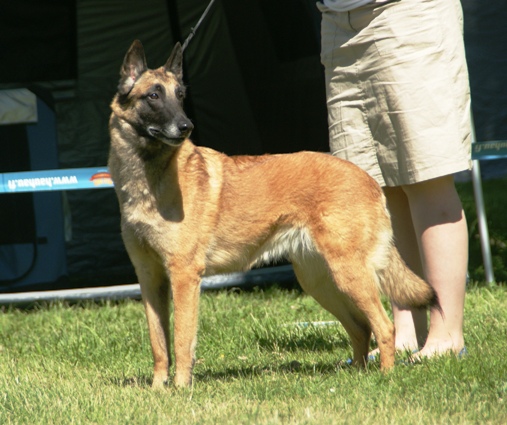
Belgian Malinois Shepherd. Credit: Wikimedia Commons
Built for pure endurance and work, the Belgian Malinois Shepherd is often placed within the wider Belgian shepherd group, including the black long-haired Groenendael, the fawn long-haired Belgian Tervuren, and the rough-coated Laekenois.
These dogs possess razor-sharp intelligence and the relentless drive of athletic guardians. They are alert and fiercely protective of their owners, demanding constant mental and physical stimulation to prevent destructive boredom.
The breed is renowned worldwide as a top-notch service dog, even being bred with German shepherd to give the latter positive traits. But, Schuler warns, "I can only see them as service dogs, not to be placed in most families."
Western European herders relied on these working dogs for centuries before Veterinary Professor Adolphe Reul officially gathered 117 dogs in Cureghem to establish a national breeding standard in 1891. Belgian military forces later deployed them as ambulance dogs and machine-gun cart pullers during both World Wars.
