
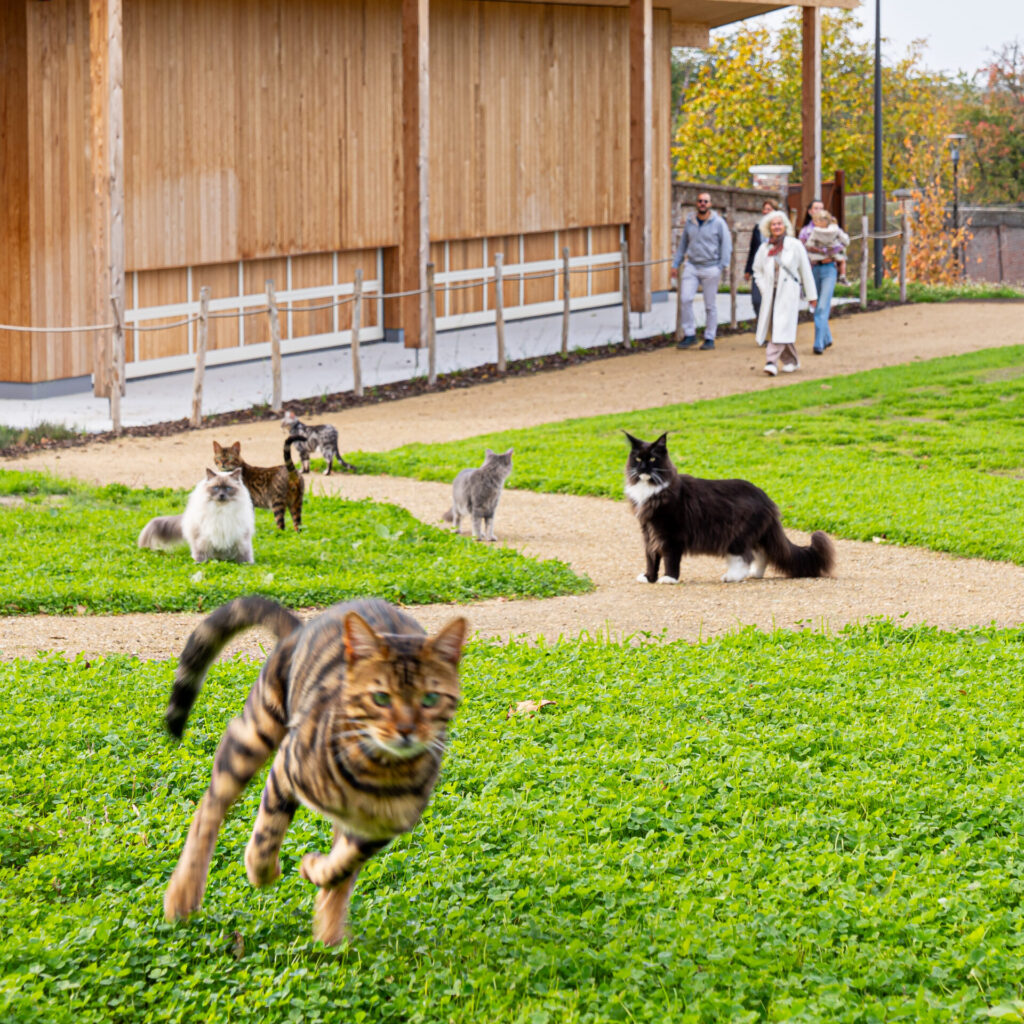
Just a few kilometres from Brussels, a unique museum is opening its doors to celebrate everything feline. From interactive exhibitions and cat-themed karaoke to dozens of rescue cats roaming freely, Catland promises an experience unlike any other.
Located in Asse, just outside of the Brussels-Capital Region, Catland is no ordinary museum.
Spread across 4,000m² of exhibition space and surrounded by a 20-hectare estate, the attraction combines history, science, art and interactive entertainment with something rather unusual: dozens of real cats living freely within the museum grounds.
The idea came from Kevy Van Belle, whose family operates a network of museums around the world, particularly dedicated to chocolate. But for him, there was another passion worth turning into a museum.
"I love cats, as you can probably imagine. I wanted to combine my passion for cats with my work in museums to create the world’s first living cat museum," he told The Brussels Times.
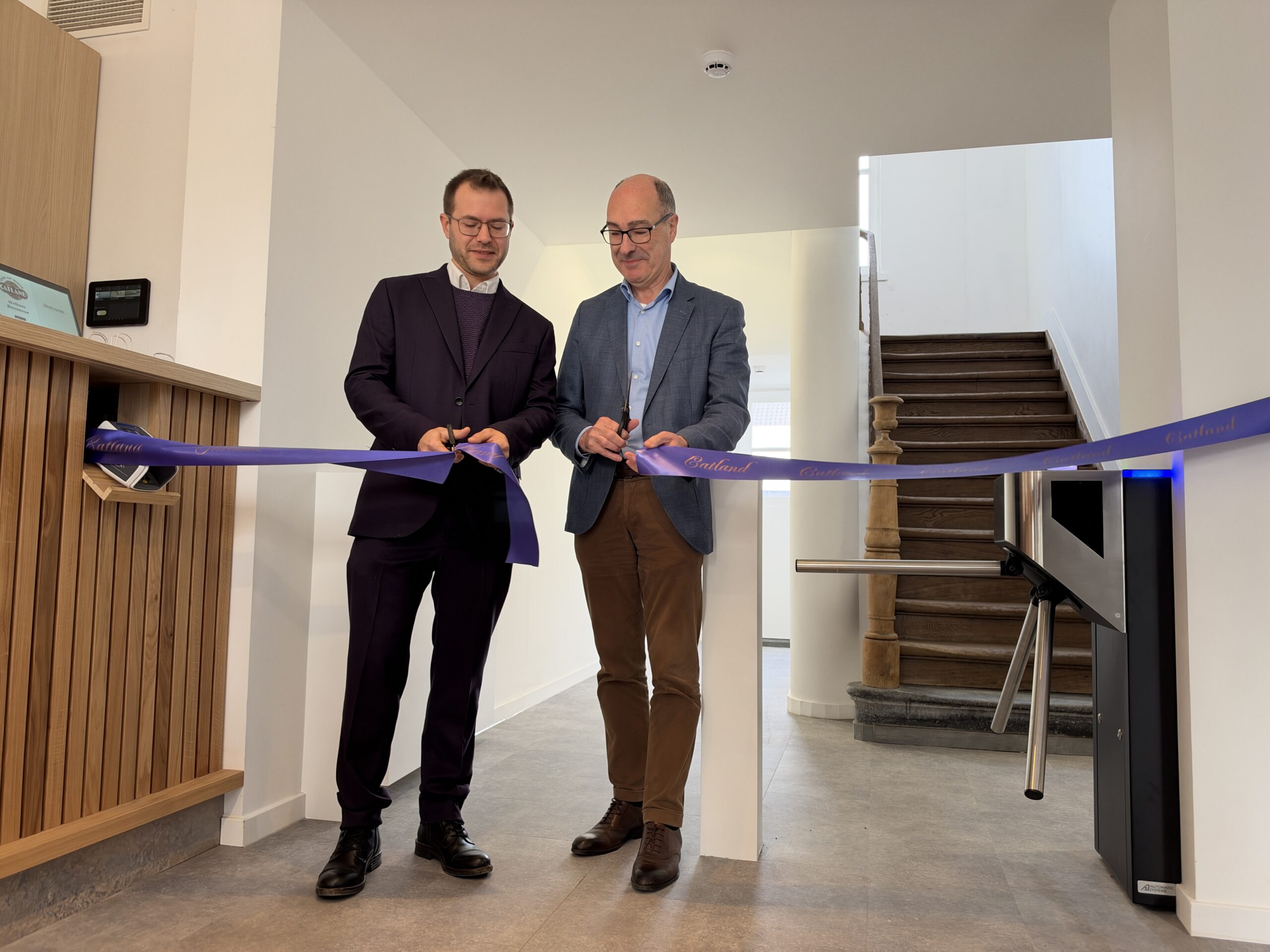
Kevy Van Belle is the creator of the museum. Credit: The Brussels Times/Léa Huppe
Following in Happy’s pawprints
At the heart of it all is Happy, a ginger cat whose memory inspired his owner to turn a lifelong passion into reality.
“Happy was my cat. Unfortunately, he passed away a year ago,” Van Belle said. “We were looking for a mascot for the museum, and rather than choosing just any mascot, I decided to choose Happy.”
Happy may no longer be around to witness the opening of Catland, but he is very much the star of Belgium’s newest museum. His face welcomes visitors, his adventures feature on the big screen, and his story is woven into a project that has taken more than a decade to bring to life.
The museum is divided into five main sections, taking visitors on a journey through the fascinating world of cats, from their prehistoric origins to their place in modern society.
Visitors can discover how cats evolved, explore their remarkable senses, learn about different breeds and behaviours, and admire an extensive collection of feline-inspired artworks and historical objects, including a rare mummified cat.
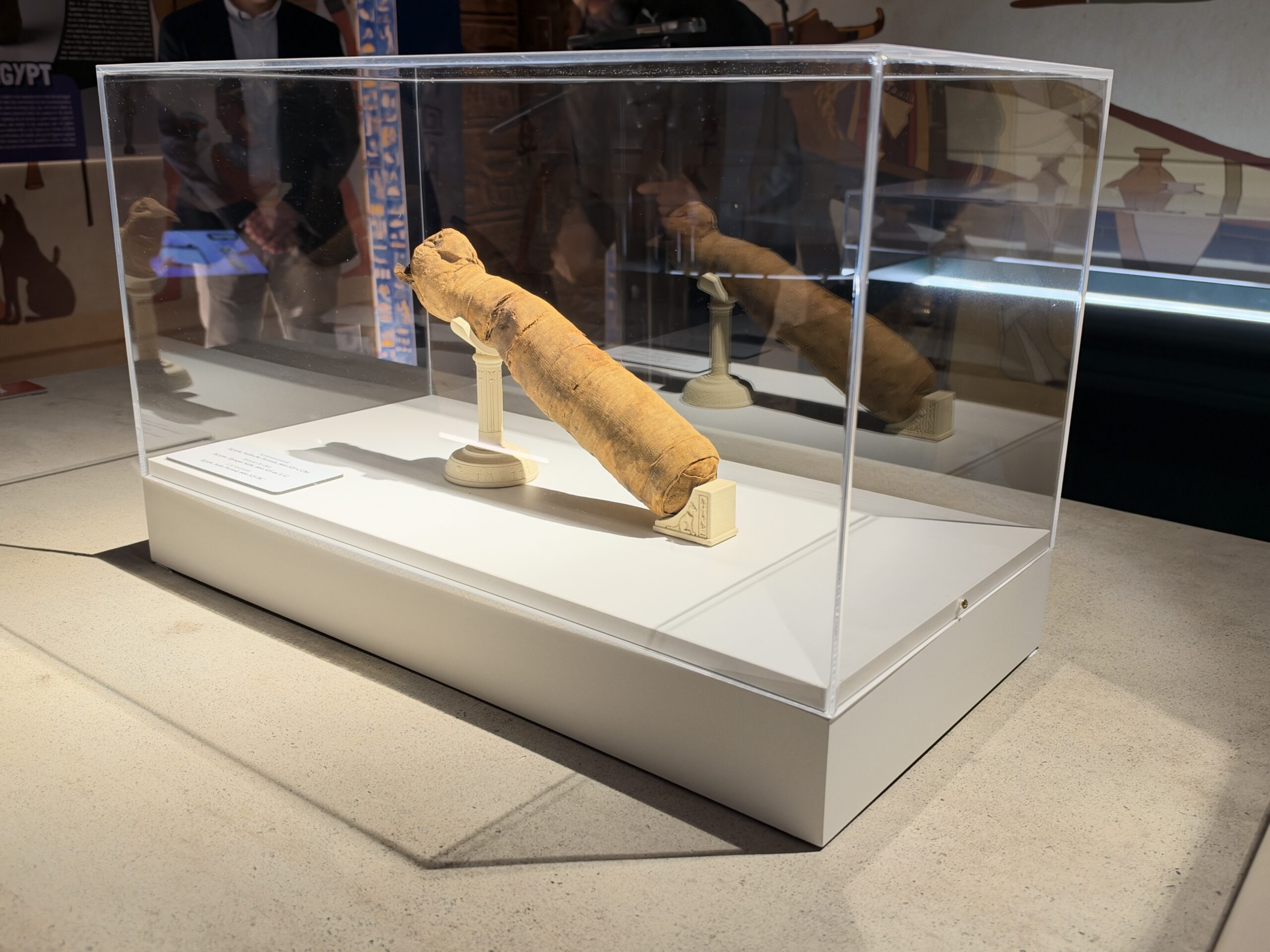
A real mummified cat. Credit: The Brussels Times/Léa Huppe
One of Van Belle’s favourite rooms is dedicated to cats in popular culture. Here, famous feline characters such as Garfield, Tom (from Tom and Jerry), and Sylvester take centre stage, with original comic artwork displayed alongside life-sized statues.
But Catland is far from a traditional museum where visitors simply walk from one display case to another. Interactive installations invite guests to experience the world from a cat’s perspective, whether by imitating the way a feline drinks water or trying out a scratching post.
Perhaps the most unusual attraction is Cataoké, a soundproof karaoke room where visitors can perform around 15 well-known songs with one small twist: all the lyrics have been replaced by meows.
And at the end of the exhibition, Happy returns to the spotlight. In a dedicated cinema room, visitors can watch amusing moments from the ginger cat’s everyday life.
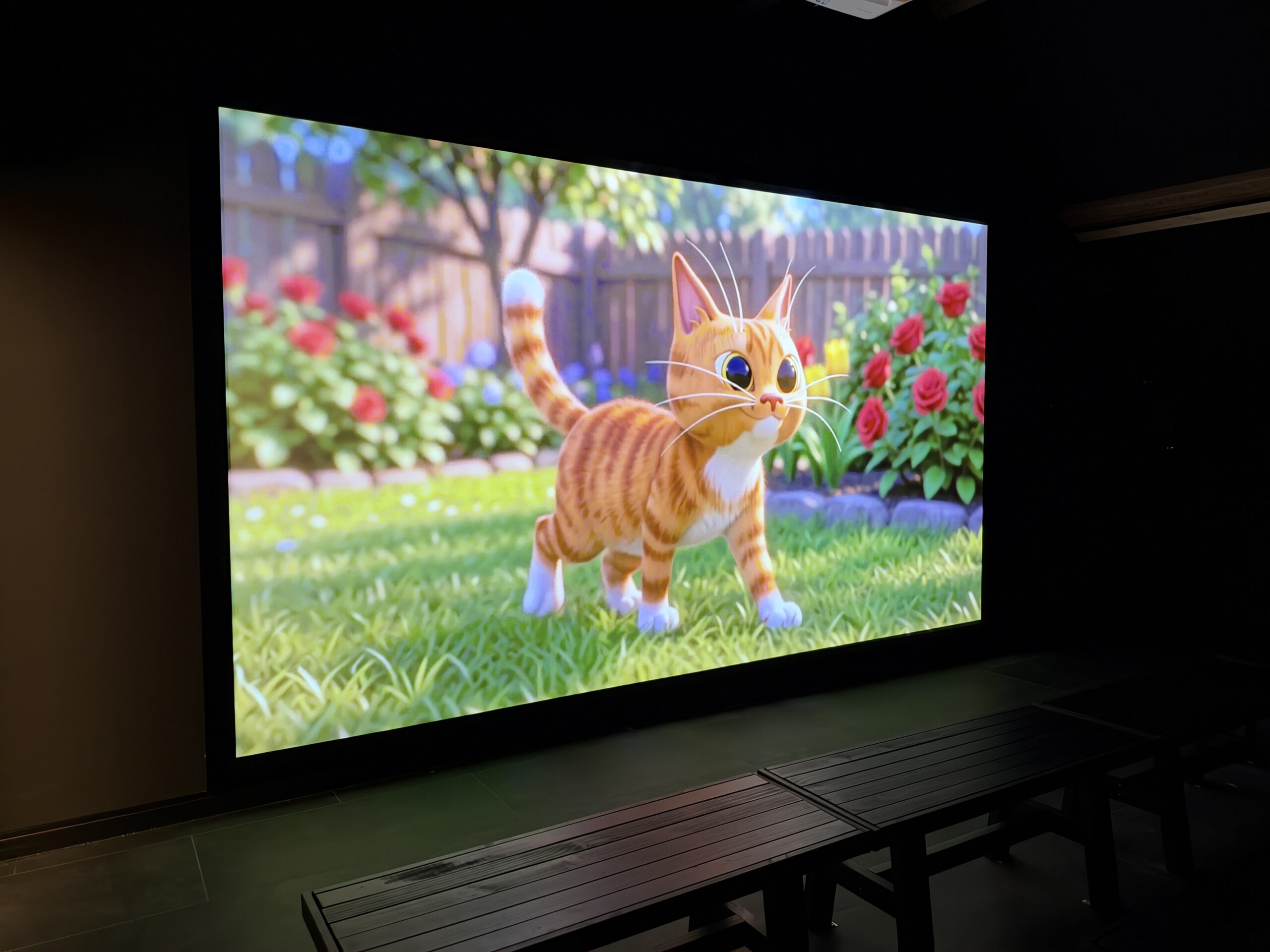
Happy is the mascot of the museum. Credit: The Brussels Times/Léa Huppe
A paradise for rescue cats
While Happy is the symbolic star of Catland, dozens of other cats are now getting their own chance to shine. The museum has created an entire living environment dedicated to its feline residents.
An indoor space measuring between 600 and 800 m², designed from floor to ceiling with cats in mind, allows the animals to climb, play, sleep and explore freely.
Outside, a vast 6,000 m² landscaped garden provides even more room to roam, with walkways, streams and quiet areas.
Its centrepiece is what the museum describes as "the world’s largest natural cat tree," offering the animals plenty of opportunities to climb and observe their surroundings from above.
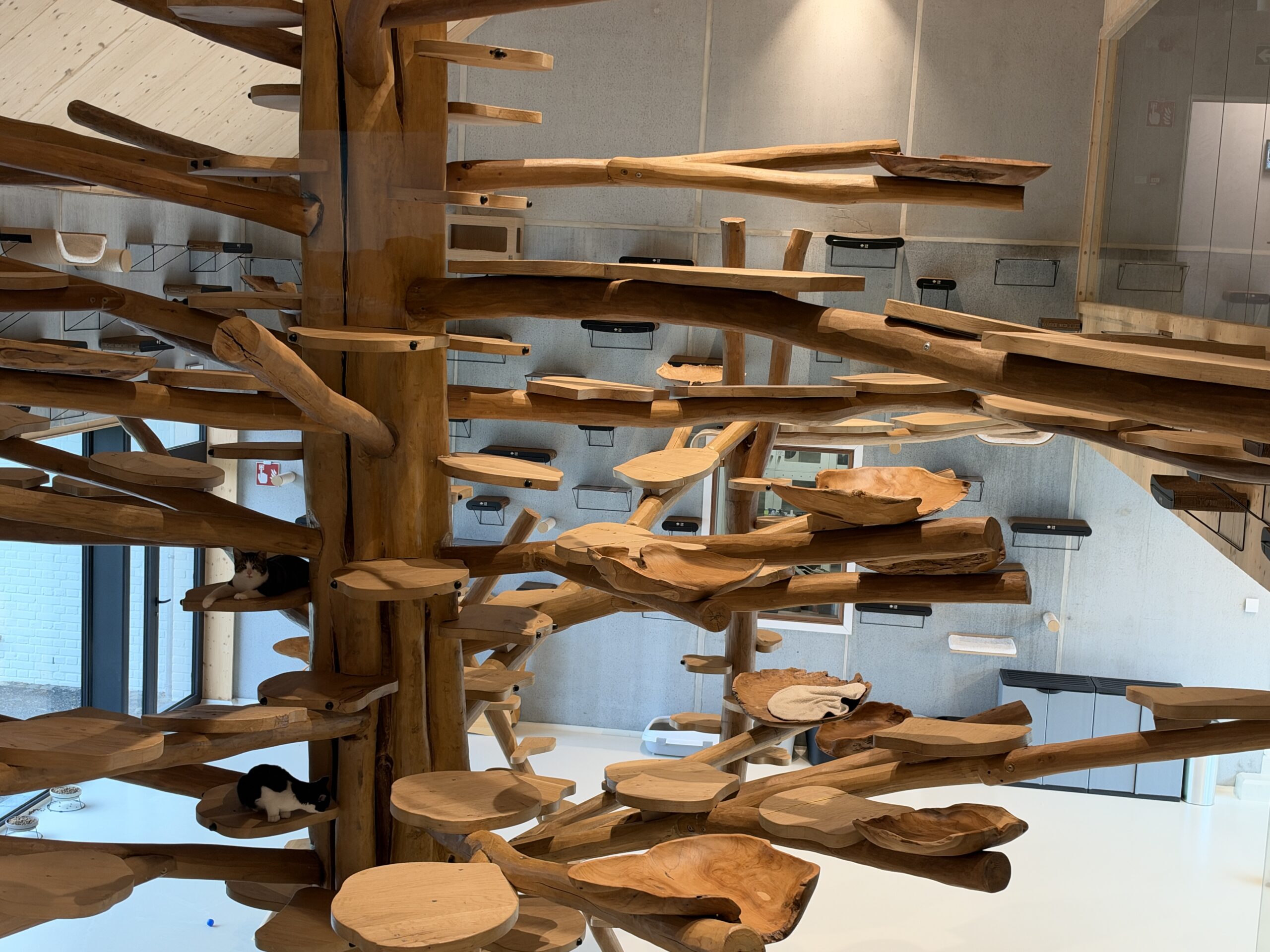
The cat tree is the masterpiece of the room. Credit: The Brussels Times/Léa Huppe
All the resident cats come exclusively from animal shelters. “We’re giving them a second chance, a new life in an environment specially designed for them,” Van Belle explained.
At the time of the interview, 25 cats were living at Catland: 15 already roaming freely and another ten undergoing quarantine and gradual introduction.
Although the museum has permission to accommodate up to 150 cats, reaching that number is not the objective. Instead, the team intends to introduce animals gradually and determine how many can comfortably coexist without stress or conflict.
Animal welfare is central to the experience, and visitors are not permitted to touch the cats inside the museum to prevent the spread of diseases.
In the outdoor park, however, they can pet the animals after disinfecting their hands and shoes and following strict hygiene rules.
There is only one rule: the cats decide whether they want to interact. Visitors are never allowed to force contact.
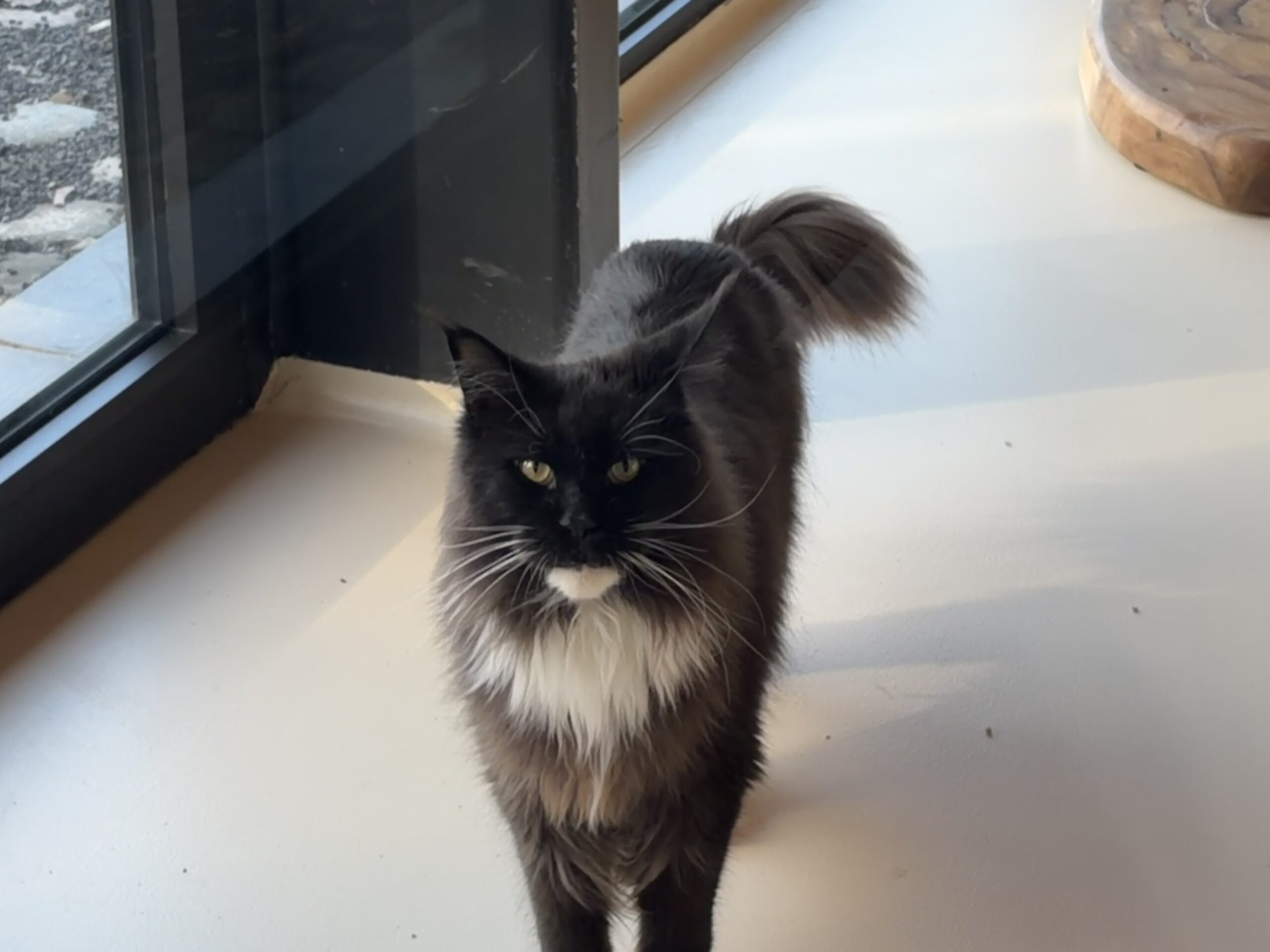
Zeus is a Maine Coon who now lives in the museum. Credit: The Brussels Times/Léa Huppe
More than ten years in the making
Bringing Catland to life has been anything but straightforward. The project required more than ten years of planning, including 6.5 years to obtain the necessary permits to transform the protected estate. “Then came 2.5 years of construction work,” Van Belle said.
The entire project has been financed through private funds, without public subsidies. “The investment is enormous, but when you love cats, you don’t count the cost,” he joked.
Beyond its exhibitions and resident cats, Catland also features two feline-themed escape rooms, a gift shop and a cat-feteria, where visitors can enjoy refreshments, including artisanal apple juice produced from fruit grown in the estate’s orchard.
A visit is expected to last between two and four hours, with advance reservations required to ensure a comfortable experience for both visitors and animals.
But behind the playful attractions, the museum has a serious educational ambition: Van Belle hopes visitors will leave with a better understanding of feline behaviour, responsible ownership and the importance of neutering.
“How to take better care of their cats and how to make them happier at home. There are so many things to learn,” he said. “Our goal is for visitors to leave feeling that they’ve learned something useful.”
And while Happy never got to explore the finished museum himself, his legacy now lives on through every exhibition, every rescued cat and every visitor discovering the feline world.
More information on Catland can be found on the museum's website.
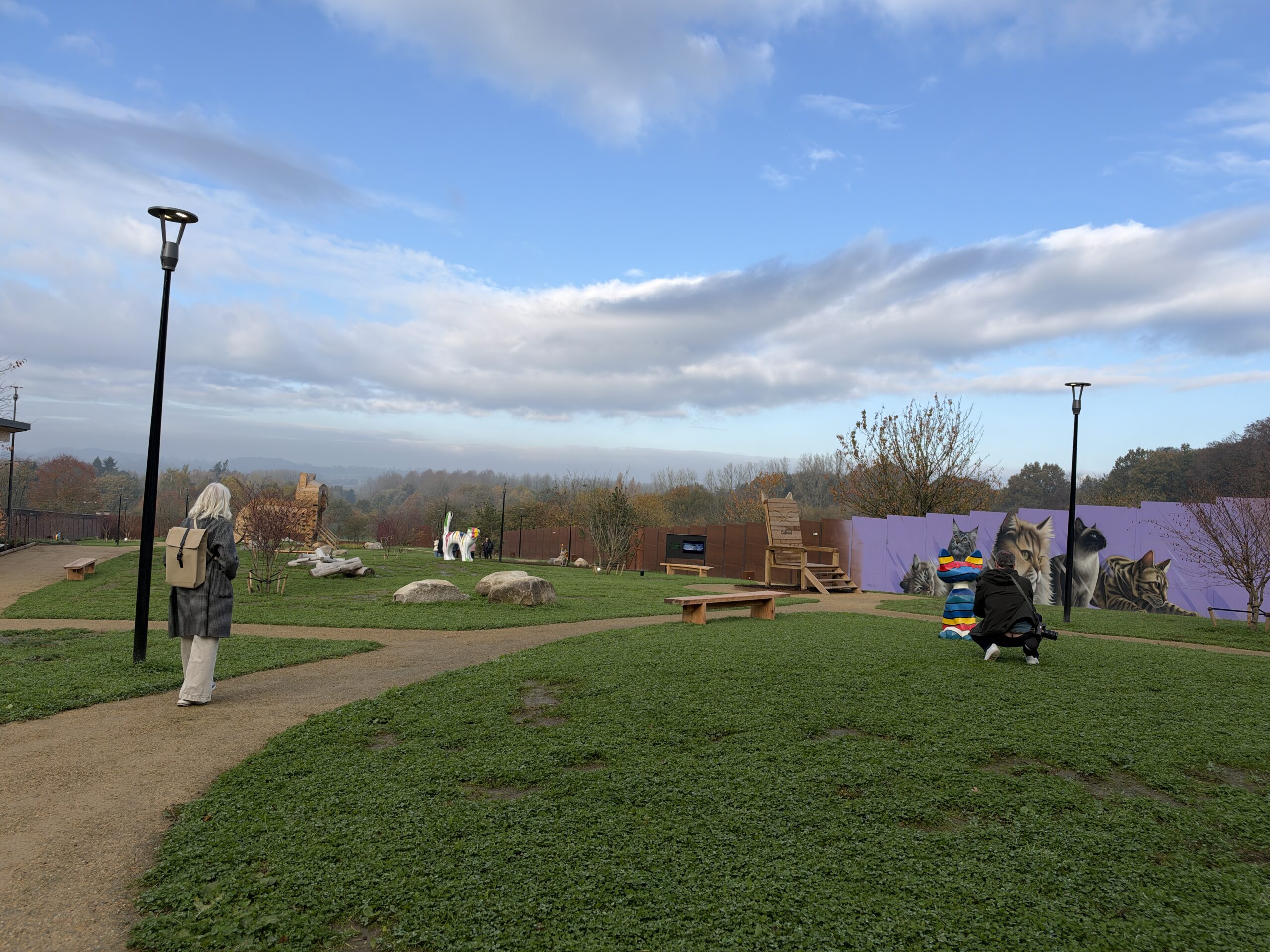
A huge backyard for the cats to roam. Credit: The Brussels Times/Léa Huppe
