
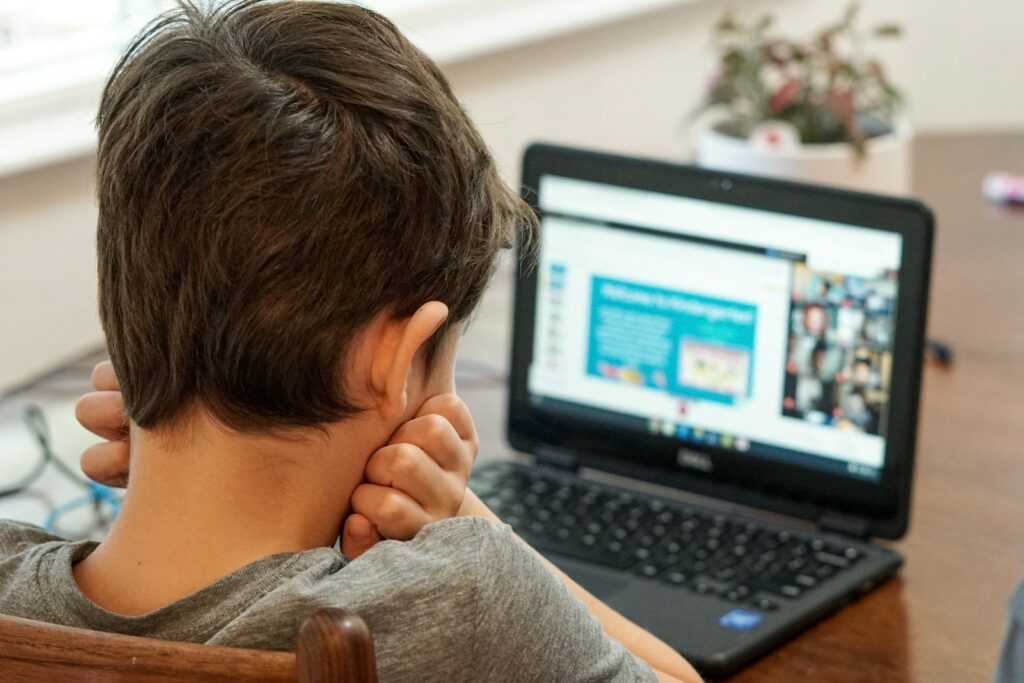
The fourth Media Literacy Week in the Wallonia-Brussels Federation will begin on Saturday and run until Sunday 22 November, offering more than 200 free activities to help children and young people better understand news and digital media.
The programme will take place in schools and youth sector organisations and is aimed at young people aged three to 20. Its goal is to sharpen critical thinking and encourage participants to explore the diversity of media.
Activities have been tailored to different age groups and will examine where content comes from, how formats work, how representations are shaped and how images can be decoded.
Related News
- The gamification of violence: How nihilistic extremism is seducing children
- Lost in translation: What I've learnt as an American in Brussels
- Calls for a 'French-speaking federalisation' of Belgium: What does it mean?
Participants will also be invited to explore the role of artificial intelligence and reflect on media use and sharing practices, particularly on social networks, according to the Higher Council for Media Education, which is organising the event.
The council said children and young people now grow up in a dense media environment that includes traditional outlets, social media, video games and AI-generated content.
They use these tools every day to get information, communicate, entertain themselves, express ideas and create. Understanding how they work and developing a critical perspective is therefore a major educational challenge, the council said.
This year’s edition is symbolised by a Rubik’s Cube, intended to show that raw information requires method, curiosity and time to decode, compare sources and exercise critical judgement.
Under the campaign slogan “Decoding the media, resisting immediacy. Acting to stay informed,” the programme includes more than 100 meetings with journalists or media organisations, 115 media literacy workshops and activities, nine cinema debates, and 70 training and conference places for supervisors.
A wider public awareness campaign will also run across media outlets in the Wallonia-Brussels Federation, encouraging the public to step back from the constant flow of information, resist immediacy and question their own media habits.
