
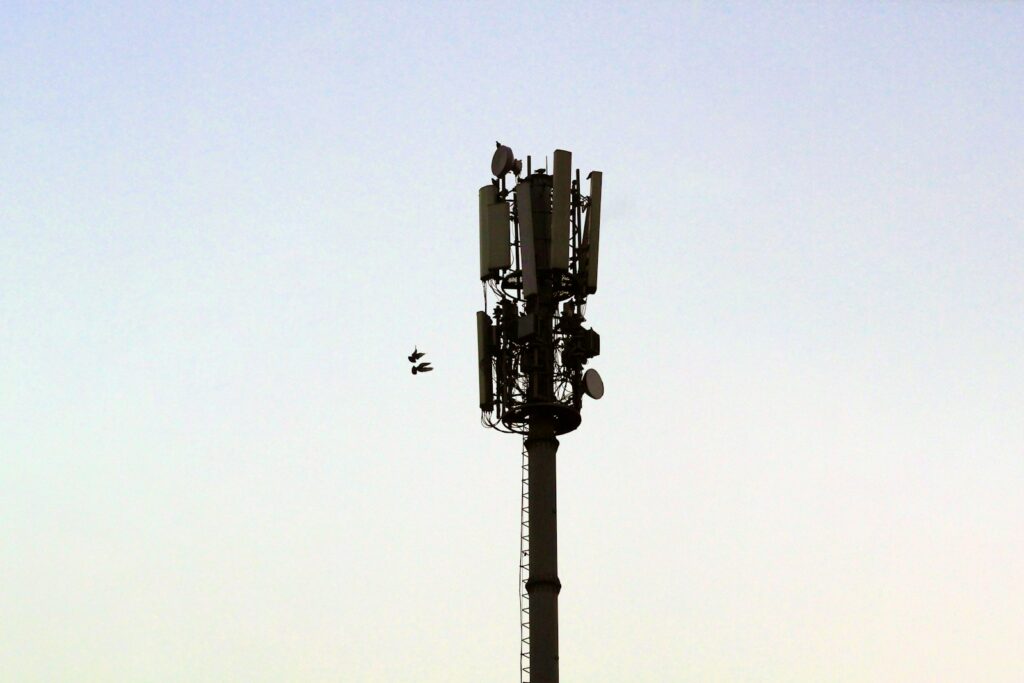
Belgium’s three mobile operators, Orange, Proximus and Telenet/BASE, have confirmed plans to switch off their 2G networks in 2028 and 2029, the Belgian Institute for Postal Services and Telecommunications (BIPT) said on Monday.
The transition is expected to affect mainly older devices, smart equipment, and existing business applications that still depend on 2G, including in-vehicle emergency call systems, alarms, lifts and smart meters.
In other European Union member states, the phase-out is also already planned, under way, or has been completed.
Second-generation mobile technology has been in use for more than 30 years and was originally developed for voice calls and text messages. However, most mobile calls and data traffic now run on 4G and 5G networks.
According to the regulator, shutting down 2G will allow operators to modernise their networks, manage them more cheaply and with greater energy efficiency, and reuse the freed-up frequencies for faster, more reliable services.
The regulator said the benefits clearly outweigh the drawbacks and backed the sector’s decision to retire older technologies gradually and reasonably.
It said operators must assess the consequences of the shutdown, help users identify devices that will no longer work once 2G is deactivated, and communicate clearly with end users.
