
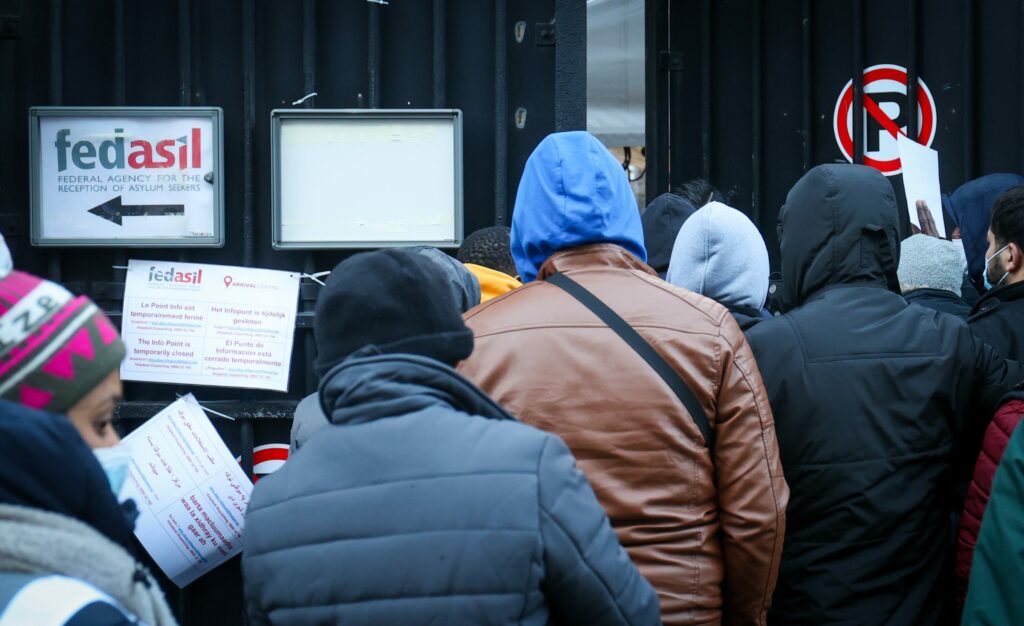
Asylum seekers in Belgium who have previously applied for international protection in another EU Member State will soon lose their right to accommodation as the federal government aims to further curb what it calls “asylum shopping.”
A few weeks before the start of winter, federal ministers approved the draft bill through which Belgium transposes the new European Reception Directive of the Asylum and Migration Pact into national law last weekend – allowing the country to refuse accommodation to certain asylum seekers.
“It cannot be the intention that asylum seekers move from one European country to another, start an asylum procedure anew each time, and then expect that a place of reception will always be waiting for them,” said Asylum and Migration Minister Anneleen Van Bossuyt (N-VA).
It concerns so-called “Dublin asylum seekers”: people who first arrived in an EU Member State other than Belgium and submitted an asylum application there. However, they then travel on to Belgium before they know the outcome, and apply for asylum again in Belgium.
According to Van Bossuyt, Dublin asylum seekers account for around 38% of all applications for international protection in Belgium.
'Only option is to return'
Under European rules, she stressed, the first Member State of arrival is responsible for processing their asylum application. Therefore, Belgian ministers have decided that these asylum seekers will lose their right to accommodation in an asylum centre in Belgium.
“We are now putting a stop to this ‘asylum shopping’. Anyone who should go through their asylum procedure elsewhere cannot come to Belgium to try their luck again,” she said. “For them, the only option is to return.”
The only alternative, she said, is to return to the responsible European Member State and await the outcome of their procedure there.
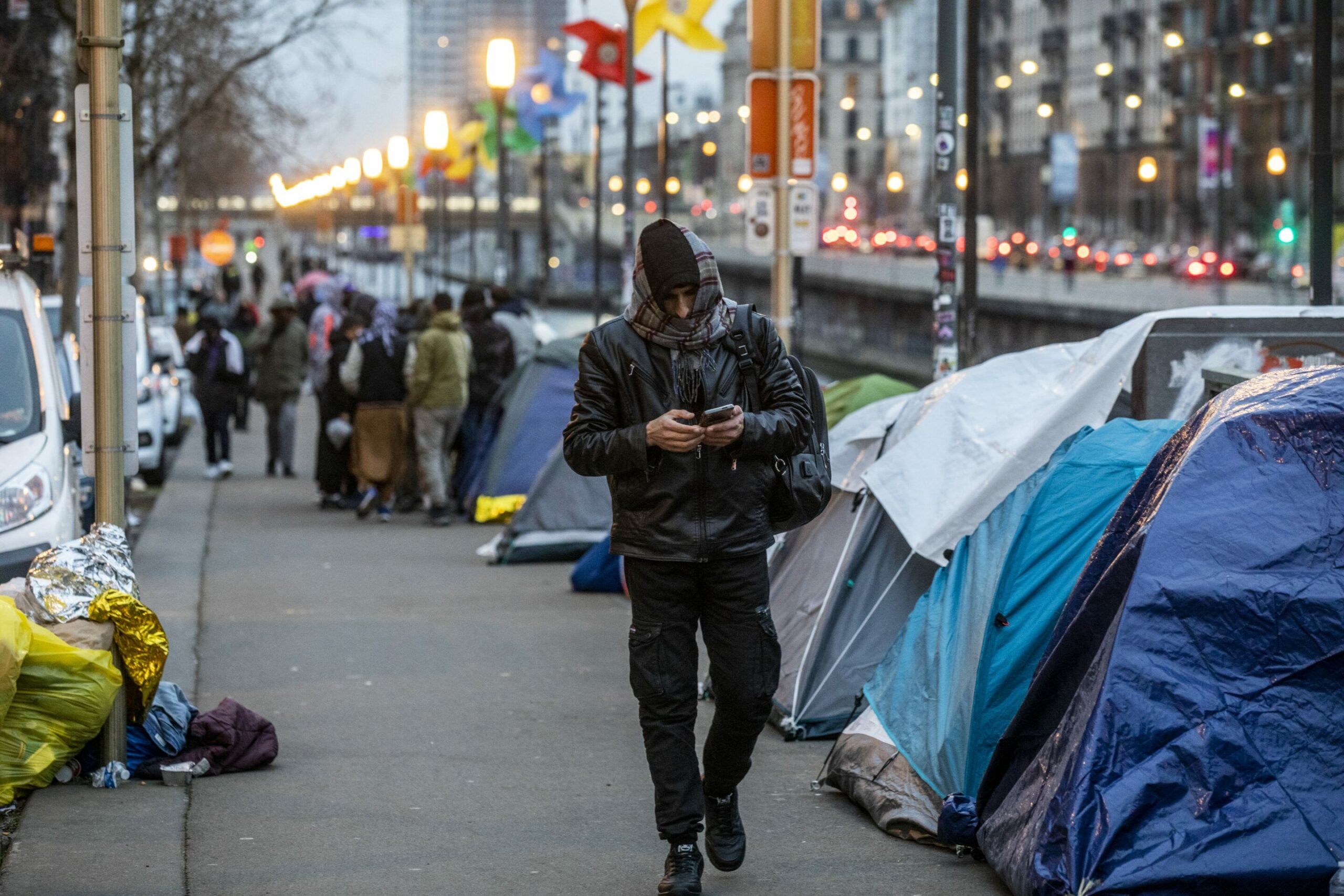
As soon as it is established that another Member State is responsible, asylum seekers are assisted with their transfer to that country. This takes place via specialised return centres, such as the existing centre in Zaventem and, shortly, also in Nazareth-De Pinte (near Ghent).
Credit: Belga / Hatim Kaghat
According to Thomas Willekens, policy adviser at the Flemish refugee organisation Vluchtelingenwerk Vlaanderen, the term “asylum shopping” is problematic because it gives the sense that claiming asylum is a voluntary choice based on complete awareness of how the system works.
It implies that asylum seekers then voluntarily choose the best regime possible, like they would go to a restaurant and choose a meal on the menu, he told The Brussels Times last year.
However, he stressed that this “completely denies the reality on the ground,” namely that asylum seekers are not perfectly informed about systems in the EU and that they often do not voluntarily choose where they end up in the first place. “They therefore go to a place where there is family or diaspora present.”
Thirdly, it presupposes that the system is the same in every EU Member State, but this is not the case. Recognition rates differ between countries, as do reception standards and access to socioeconomic rights. That leads to people moving from one place to the other, mostly because they don't feel safe in their first country of arrival.
External conflicts
On top of that, Willekens explained that the Dublin procedure allows for exceptions via a humanitarian or discretionary clause, for example when people cite poor reception conditions, racist abuse or poor treatment by border guards as reasons for why they left the first country of arrival.
“These measures exist, they're just never applied because they don't fit the asylum shopping narrative,” he said.
Lastly, he stressed that new or stricter measures would do nothing to limit asylum applications in Belgium, as these rates fluctuate naturally between high peaks and low valleys.
“Peaks are almost always linked to external conflicts: the Balkan wars, Yugoslavia, the Syrian revolution and more recently, Afghanistan, Gaza, Ukraine and Sudan,” he said. “Those are the driving factors of rising applications, not EU policies that are particularly attractive at a given point in time.”
