
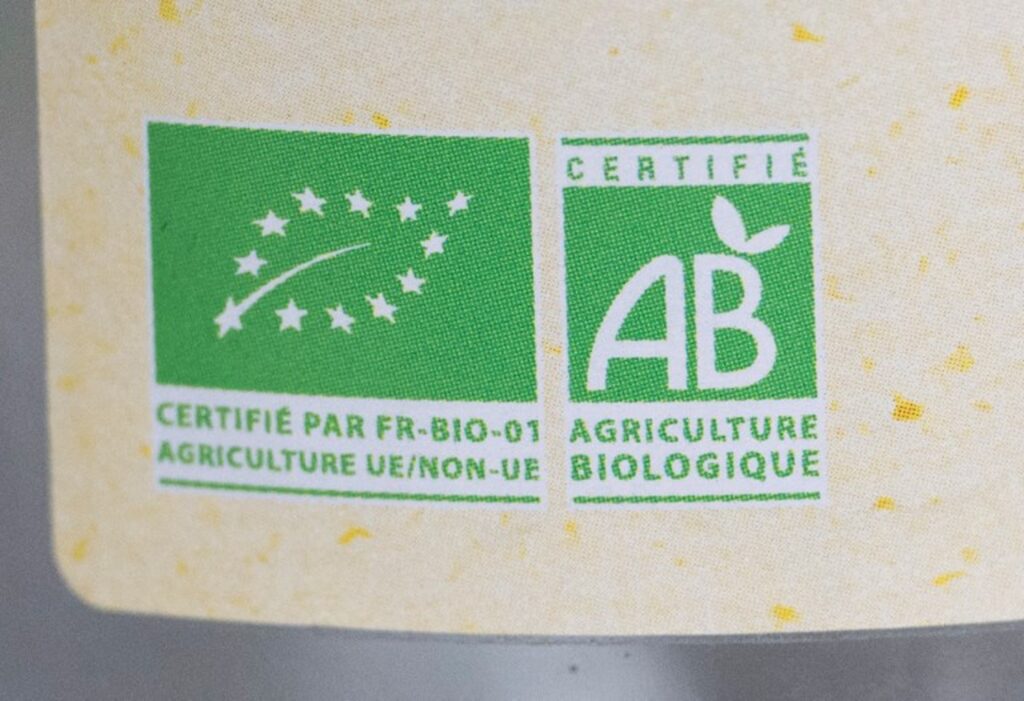
The European Parliament has approved new rules requiring organic products imported from outside the EU to meet additional standards before they can display the EU organic logo.
The legislation was formally adopted on Tuesday during a plenary session in Strasbourg.
Until now, 11 non-EU countries, including the United States, Canada, Argentina and New Zealand, have benefited from arrangements under which their organic production standards were recognised as equivalent to those of the EU.
However, in a ruling on 4 October 2024, the Court of Justice of the European Union found that this recognition alone was insufficient to allow imported products to carry the EU organic logo if they did not fully comply with EU production rules.
The new legislation clarifies the conditions under which imported organic products can be labelled and marketed in the EU.
Products from the 11 countries will still be allowed to be sold as "organic" and display their country of origin's organic certification logo.
However, they will only be permitted to carry the EU organic logo if they meet additional requirements relating to production standards and controls.
The existing recognition of equivalent organic standards for the 11 countries, which was due to expire at the end of 2026, has also been extended until 31 December 2036.
Related News
Simplified rules for small retailers
The legislation also eases certification requirements for small EU retailers selling organic products directly to consumers.
The annual sales volume threshold for exemption from organic certification has been doubled from 5,000kg to 10,000kg, while the annual turnover ceiling has increased from €20,000 to €40,000.
Retailers must remain below both thresholds to qualify for the exemption.
The changes are intended to simplify administrative requirements for smaller businesses while maintaining standards for organic products sold across the EU.
