
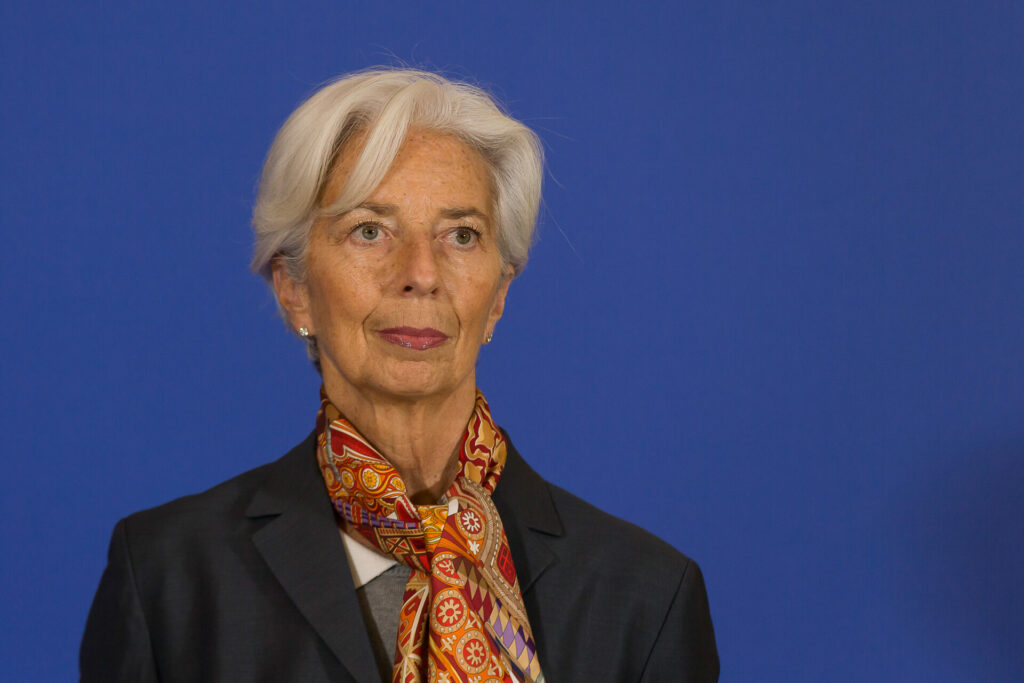
President of the European Central Bank (ECB), Christine Lagarde, predicted on Thursday that a looming European recession will not be enough to curb future price rises. This comes as the ECB is set to announce further raises to interest rates.
Experts are currently forecasting a “modest recession” in the Eurozone at the start of next year, but the EBC has warned that it “does not believe that this recession will be sufficient to tame inflation,” Lagarde said at a forum organised by the Bank of Lithuania in Riga.
After raising its rates by 2% since July, up from historically low levels, the monetary institute is determined to continue its series of increases to help bring inflation back within its 2% target, down from more than 10% currently.
The EBC boss also warned of potential risks linked with the rapid rise in rates, after the US Central Reserve (FED) raised its rates on Wednesday to their highest level in nearly 15 years. The FED is planning to increase rates even further in the near future.
This raises genuine concerns about the prospect of “stagflation” -- an economic phenomenon whereby high inflation is coupled by moderate or reduced economic growth. This combination of economic woes plagued the US in the 1970s, when oil embargos, low interest rates, high budget deficits, and poor currency rates.
Economists have warned that the current economic crisis bears many of the hallmarks of 70s stagflation. While thousands of jobs are being created, and unemployment is largely on the way down across the EU, economic growth is slowing and attempts to forestall inflation are already placing strain on national economies.
Related News
- Europe's major currencies fall to historic lows against dollar
- European Central Bank raises interest rates at fastest pace on record
Within the US, former US Treasury Secretary Larry Summers has predicted a “stagflationary tendency for the next several years.” This threat may extend beyond the US to Europe.
In Belgium, inflation has already reached the highest level since 1975, reaching 12.27% in October. This is largely driven by energy inflation, which contributed 5.95 percentage points to this statistic.
