
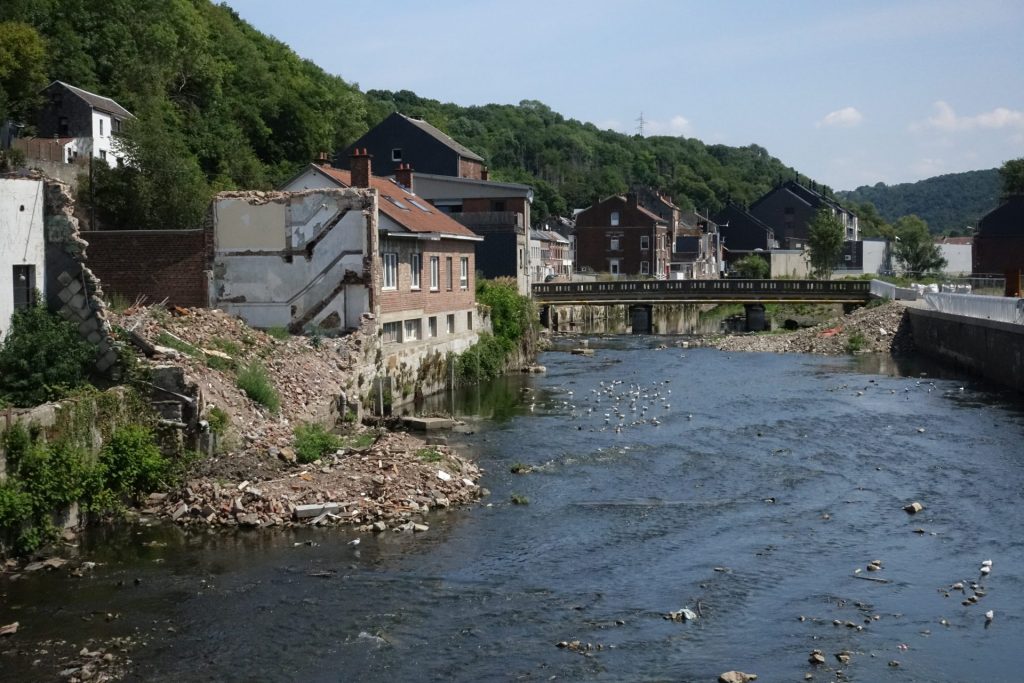
July 2021 saw the worst floods Belgium has ever known, with unprecedented rainfall wreaking havoc in Wallonia and Limburg and leading to floods which killed 41 people, destroyed buildings and crippled infrastructure.
The devastation seen two years ago caused many to question whether Belgium was sufficiently prepared to face the consequences of extreme weather. The same questions have been asked of many European countries, with notable floods devastating regions in Germany and more recently in Italy, among others.
With the anniversary of the Belgian floods nearing, Google has announced the launch of a flood forecasting tool which it hopes will help prevent future death and destruction.
The new "Flood Hub" tool relies on artificial intelligence to help governments and institutions predict periods of high risk up to seven days in advance of a potential flood and can help populations better prepare for safe evacuation. All the information is free, publicly available and can be shared on social media. As for the forecasts, they are updated daily.
Related News
- Flanders approves 'construction shift' plan: What changes?
- Heavy storm causes flooding in Liège province
Flood Hub uses two models to predict the risks. The hydrological model determines whether a river is likely to flood "by processing input data such as precipitation and other meteorological and basin data." Meanwhile, a flood model "simulates the behaviour of water as it moves through the floodplain based on hydrological forecasts and satellite imagery."
"Floods are the most common type of natural disaster, affecting more than 250 million people worldwide each year and causing economic damage in the billions," the company explains on its website. Currently, Flood Hub covers river basins in 80 countries around the world, providing critical flood forecasts for more than 1800 sites and covering a population of 460 million people.
"By combining the two models, we are able to achieve unprecedented accuracy,” Google developers explain. “This means we can provide more accurate and actionable forecasts to enable governments, relief organisations and citizens to take action and save lives."
