
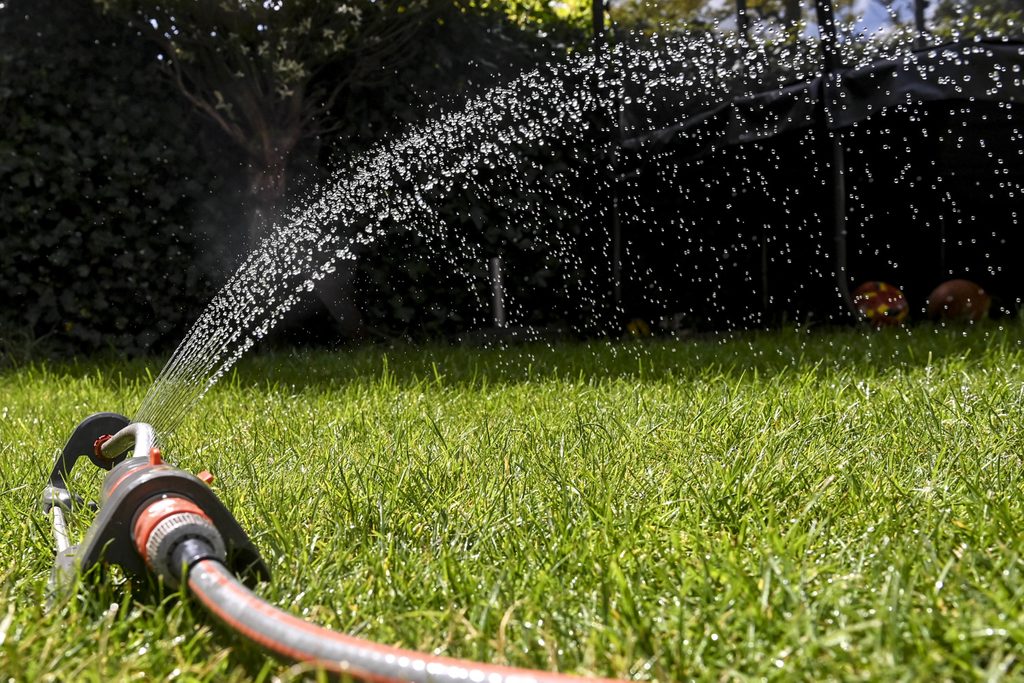
The tropical temperatures over the weekend resulted in people living in Flanders using over 20% more water than usual, figures from De Watergroep, the region’s largest drinking water company, showed.
On Saturday, when temperatures sat around 30°C throughout the afternoon, the extra water consumption amounted to 21%, while on Sunday, which was even warmer, this reached 23%.
However, the group stressed that these are normal values given the temperatures. Meanwhile, as a result of the very wet spring Belgium experienced, the stocks of groundwater in Flanders are stable as summer approaches, meaning the region is better prepared than last year, when it recorded the second driest spring in history, resulting in a summer-long drought.
Nevertheless, the Water Group has called on people in Flanders to use water sustainably. “It would be a big mistake to think that we should not be sparing with water because the spring was very wet. We should always use water sparingly,” the company noted.
Additional measures as precaution
The call for water preservation is strengthened by the fact that the warm weather is not set to end anytime soon.
As the temperature has risen above 30°C on Monday afternoon, the first heatwave of the year was proclaimed in Belgium. Meanwhile, temperatures will continue to fluctuate in the coming days just below 30°C in the central part of the country, and it is expected to remain dry for the rest of the week.
Last week, the Drought Commission already announced it would be scaling up to management level 1 (code yellow) taking various preventive measures, including forbidding the withdrawal of water from various basins, unnavigable watercourses, and public canals in Limburg and Antwerp.
"Due to prolonged drought, the level of navigable waterways in Flanders has systematically dropped," the Flemish Waterway reported. "The weather forecast for the coming weeks does not promise much improvement."
Still, the situation would not be worrying at the moment. "We are closely monitoring the situation and will also make adjustments if necessary," Flemish Minister of Mobility and Public Works Lydia Peeters said.
Related News
- Belgian firm plans to store millions of litres of drinking water underground in preparation for droughts
- Flemish Government recognises 2022 drought as disaster
Meanwhile, for almost two weeks now, a code yellow warning for fire risk applied to nature reserves and forest areas throughout Flanders. In the provinces of Limburg and Antwerp, this has been scaled up to code orange, meaning both nature managers and firefighters are extra vigilant.
The Nature and Forest Agency (Natuur en Bos) staff are scanning for incipient fires at risk times and places from fire towers, while it will be extra vigilant when it comes to the smoking ban and littering in nature reserves, as most fires that occur here annually are caused by a discarded cigarette butt, a piece of glass or a campfire in the wrong place.
